Guinea’s Gold Crackdown and Iraq's 'No War, No Peace' Warning: Global Supply Chains Face New Pressures
بحران استخراج طلا در گینه و هشدار عراق درباره وضعیت «نه جنگ، نه صلح»؛ فشارهای تازه بر زنجیره تأمین جهانی
A massive trial in Guinea involving 1,200 arrests over illegal gold mining signals a global shift in resource control, while Iraq warns that the current US-Iran stalemate is unsustainable. Meanwhile, Asian refiners return to Gulf oil despite regional risks, and Bitcoin slips below $70,000.
At time of publishing
USD
269,500
Toman
Gold 18K
25.76M
Toman / gram
Bitcoin
$69,263
US Dollar
Tether
270,751
Toman
The Militarization of Gold: Guinea’s Massive Crackdown
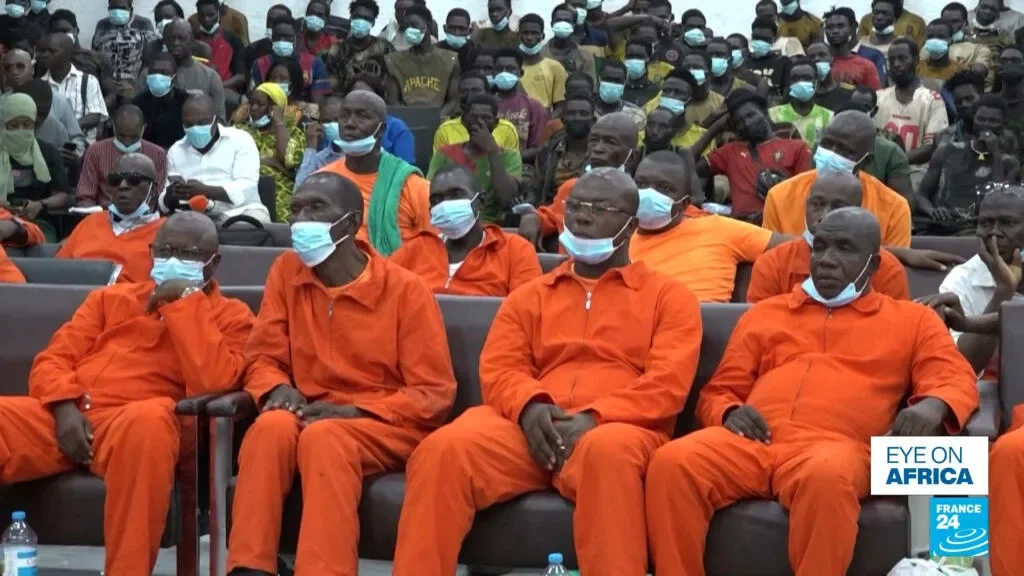
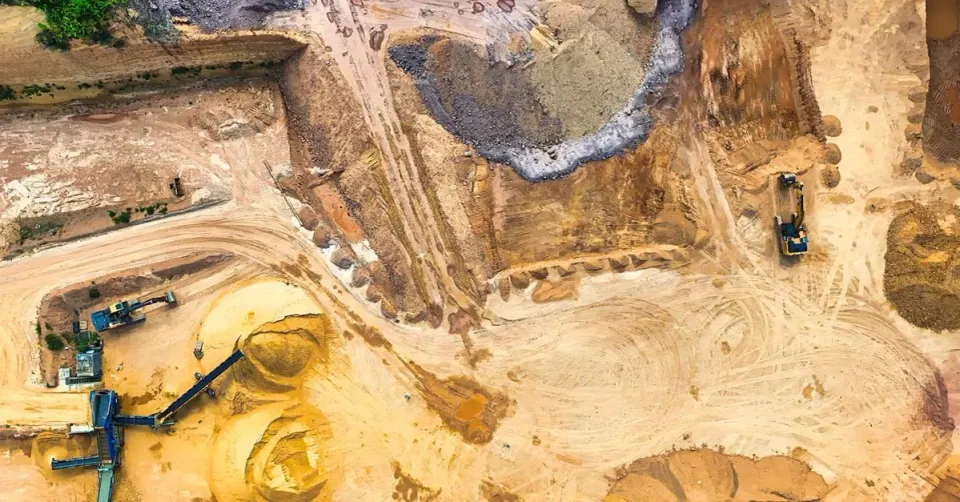
In a move that has sent ripples through the global artisanal mining community, Guinea has officially opened a trial for over 1,200 individuals arrested during a sweeping military crackdown on illegal gold mining in the Siguiri district. This operation is not merely a local policing matter; it represents a significant effort by the Guinean government to centralize control over its mineral wealth. Security forces have reportedly expelled tens of thousands of foreign nationals from the mining zones, signaling a hardening stance against unregulated extraction that often bypasses state coffers. For global markets, this move highlights the increasing fragility of the 'informal' gold supply chain at a time when the gold ounce is trading at a staggering $3,892.05.
For the Iranian reader, who often views gold as the ultimate safe haven against currency volatility, these developments in West Africa are more than just distant news. Guinea is a critical node in the global mineral trade, and any disruption or state-led monopolization of mining resources can lead to tighter global supplies and higher premiums. While the local price of Gold 18k in Tehran remains steady today at 25,762,962 Toman per gram, the underlying global pressure on precious metals is mounting as nations move to secure their physical assets amid geopolitical instability.
The 'No War, No Peace' Stalemate: Iraq’s Dire Warning
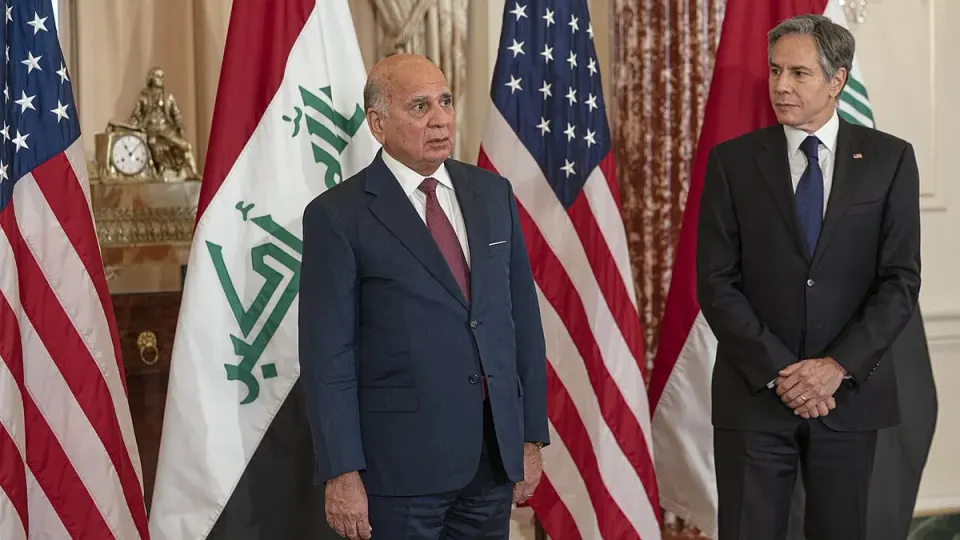
Iraqi Foreign Minister Fuad Hussein has issued a blunt assessment of the regional security architecture, stating that the current 'no war, no peace' situation between the United States and Iran is fundamentally unsustainable. In a recent interview, Hussein highlighted the impossible position Iraq finds itself in, particularly regarding Washington’s demands to close almost all border crossings with Iran. He emphasized that Iraq’s economic and social fabric is too deeply intertwined with its neighbor to allow for such a total severance. This diplomatic friction comes as Hussein confirmed that Iraqi oil is now flowing through the Strait of Hormuz under explicit U.S. protection—a move that effectively integrates Iraqi energy exports into a Western-secured corridor despite the ongoing regional tensions.
This development is a critical signal for the Toman exchange rate, which currently sits at 269,500 per USD. The 'no war, no peace' status quo provides a fragile floor for the Iranian currency; however, the Iraqi FM’s warning suggests that this equilibrium is nearing its breaking point. If the stalemate shifts toward active conflict or a major policy pivot, the market’s 'risk premium'—which currently accounts for a significant portion of the Toman’s valuation—could explode. Investors are watching the Strait of Hormuz closely, as the presence of U.S. protection for regional oil flows introduces a new layer of complexity to the maritime security of the Persian Gulf.
Energy Pragmatism: Asia Returns to Gulf Crude
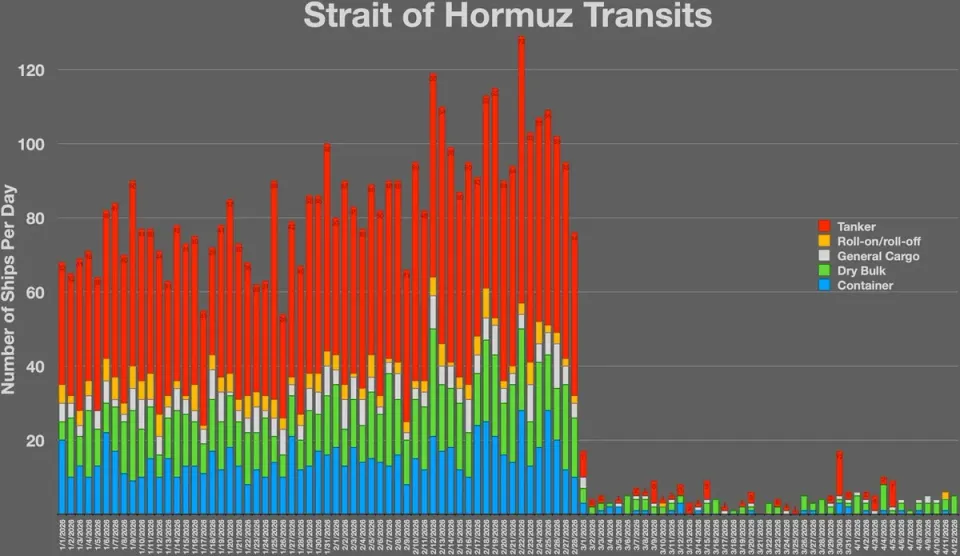
Despite the persistent shadow of war and the recent volatility in shipping lanes, Asian refiners are doubling down on Middle Eastern oil. Reports indicate that Chinese, Japanese, and Thai refiners are increasingly opting for Gulf cargoes, even those requiring transit through the high-risk Strait of Hormuz. This shift is driven by cold economic logic: freight rates have eased from their record highs, and Middle Eastern producers are offering significant discounts to regional benchmarks. This 'energy pragmatism' suggests that for the world’s largest oil importers, the need for affordable energy currently outweighs the perceived risks of regional escalation.
This return to Gulf oil provides a much-needed stabilizer for regional economies, including Iran’s, as it ensures continued demand for the region's primary export. However, the broader financial markets are showing signs of fatigue. Bitcoin has dropped to approximately $69,263, a nearly 5% decline triggered by concentrated liquidations and weakening demand. As the AI-driven tech rally led by Nvidia faces its own internal crisis following the resignation of Jensen Huang, capital appears to be rotating out of high-risk digital assets and back into traditional commodities and energy, further cementing the importance of the Middle East’s role in the global economic recovery.
Watch
Guinea opens illegal gold mining trial, 1,200 people arrested • FRANCE 24 English
FRANCE 24 English
Frequently Asked Questions
چرا محاکمه ۱۲۰۰ معدنچی در گینه برای بازار طلا مهم است؟
منظور وزیر خارجه عراق از وضعیت «نه جنگ، نه صلح» چیست؟
چرا با وجود ریسک جنگ، آسیا دوباره از خلیج فارس نفت میخرد؟
علت اصلی سقوط بیتکوین به زیر ۷۰ هزار دلار در امروز چه بود؟
Understanding Geopolitical Risk in Global Supply Chains
Geopolitical risk refers to the potential for international political events—such as conflicts, political instability, trade disputes, or resource nationalism—to disrupt global economic activity. These risks are not merely abstract; they directly influence the intricate web of global supply chains that deliver everything from raw materials to finished goods. When a region vital for commodity production, like Guinea for gold, or a critical shipping lane, like the Strait of Hormuz for oil, experiences heightened tensions or policy shifts, the ripple effects are felt worldwide.
The impact of geopolitical risk on global supply chains manifests in several critical ways. Firstly, it can lead to direct disruptions in the extraction or production of key commodities. For instance, a government crackdown on mining operations, as seen in Guinea, can immediately curtail the supply of a resource like gold, affecting industries reliant on it and driving up prices. Secondly, geopolitical tensions can imperil vital transportation routes. The "no war, no peace" situation in regions like the Middle East, particularly concerning the Strait of Hormuz, threatens the secure passage of oil and other goods, increasing shipping costs and insurance premiums, and creating bottlenecks that delay deliveries across continents.
Furthermore, geopolitical risk significantly influences commodity markets. In times of uncertainty, essential resources like crude oil often see price volatility due to fears of supply interruptions or changes in demand from affected regions. Gold, traditionally viewed as a safe-haven asset, tends to see its price rise as investors seek refuge from economic instability, reflecting a broader loss of confidence in other asset classes. Understanding these dynamics is crucial for businesses and policymakers alike, as mitigating geopolitical risks requires proactive strategies, including diversifying supply sources, securing alternative transport routes, and building resilient economic frameworks to absorb external shocks.