
Ukraine War Intensifies as Kyiv Launches Massive Drone Swarm; Nvidia Stock Plummets 6 Weeks Straight
تشدید جنگ اوکراین با حمله پهپادی گسترده کییف؛ سهام انویدیا ۶ هفته متوالی سقوط کرد
Russia has escalated its attacks across Ukraine, prompting Kyiv to respond with nearly 1,200 drones in one of the largest aerial assaults of the war. Meanwhile, Nvidia's stock continues its historic slide, marking the sixth consecutive week of declines, wiping out billions in market capitalization and signaling broader tech sector jitters.
At time of publishing
USD
270,700
Toman
Gold 18K
25.76M
Toman / gram
Bitcoin
$68,714
US Dollar
Tether
270,393
Toman
Escalation in Ukraine: Russia Strikes, Kyiv Responds with Massive Drone Swarm
Russia unleashed a wave of strikes across Ukraine on Thursday, hitting targets including a hospital and intensifying the ongoing conflict. This aggressive move by Moscow was met with a significant retaliatory response from Kyiv, which launched nearly 1,200 drones targeting Russian installations overnight. This represents one of the largest aerial assaults by Ukraine since the full-scale invasion began nearly five years ago, underscoring a dangerous escalation in the war.
The renewed intensity of the fighting has profound implications for regional stability and global energy markets. Increased conflict often leads to heightened geopolitical risk, which can translate into volatility in oil prices and supply chain disruptions. For Iran, such developments contribute to an atmosphere of global uncertainty, potentially impacting currency expectations and investor confidence. The ongoing war also reinforces the strategic importance of secure trade routes, a perpetual concern for Tehran given its reliance on maritime commerce.
---
Nvidia's Historic Stock Slump Continues, Signaling Tech Sector Turmoil
Nvidia, the titan of AI chip manufacturing, is currently experiencing a prolonged and historic downturn in its stock performance. The company has now seen six consecutive weeks of declines, resulting in a staggering loss of $657 billion in market capitalization. This sustained slump is unprecedented in the company's recent history and is raising serious questions about the future trajectory of the AI hardware market and its major players.
The fallout from the unfolding scandal involving former CEO Jensen Huang, which includes allegations of extramarital affairs and potential national security concerns related to chip sales to China, appears to be a significant contributing factor. This has led to increased scrutiny from U.S. lawmakers, with calls for Huang to testify. The situation highlights the complex interplay between technological advancement, corporate governance, and international relations, particularly in the critical field of AI development. The continued decline of Nvidia's stock could have ripple effects across the broader tech industry, impacting investment strategies and potentially slowing down the pace of AI innovation.

---
UK-EU Trade Deal Aims to Ease Border Friction, But Broader Economic Headwinds Persist
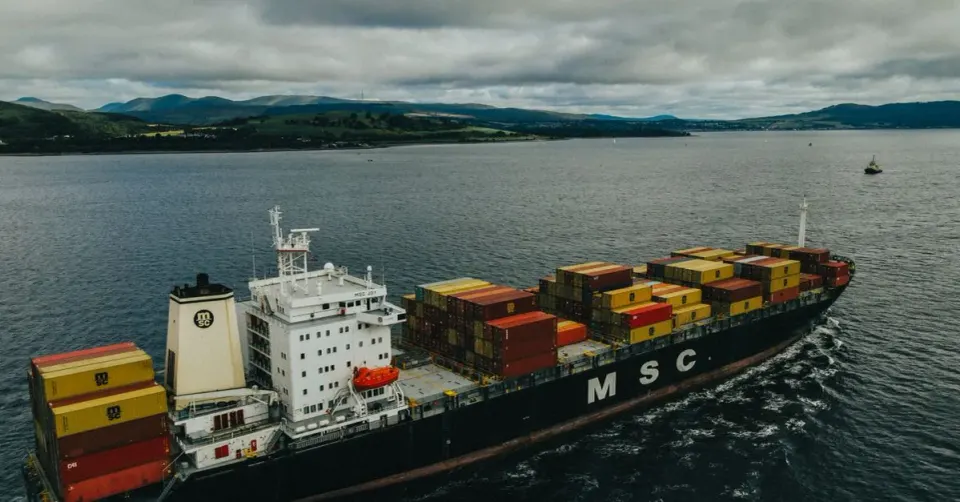
In a move to streamline post-Brexit trade, the UK and European Union are set to sign a new agreement that promises to significantly reduce costs for plant and agricultural trade. Environment Secretary Angela Eagle stated that the deal, expected to be finalized next week, will eliminate border checks and paperwork for plant imports, effectively dissolving an estimated £60 million in annual costs for the horticulture industry. This initiative aims to ease the logistical and financial burdens that businesses have faced since the UK's departure from the EU.
While this trade facilitation is a positive step for specific sectors, it arrives amidst a backdrop of persistent global economic challenges. The ongoing conflict in Ukraine, coupled with broader inflationary pressures and supply chain vulnerabilities, continues to cast a shadow over market sentiment. For countries like Iran, these global economic headwinds can exacerbate existing pressures on currency markets and domestic prices. The UK-EU deal, though beneficial for bilateral trade, does little to mitigate the broader macroeconomic uncertainties that shape international investment and trade flows, including those affecting Iran's own economic outlook.
---
UN Refugee Chief Condemns Sudan War, Cites Funding Cuts' Devastating Impact
Barham Salih, the UN refugee chief, has delivered a scathing critique of the ongoing war in Sudan, labeling it a "shameful" conflict and urgently calling for a political resolution. Speaking in an interview, Salih highlighted the record levels of forced displacement caused by the violence, emphasizing that critical funding cuts are severely impacting those in dire need of humanitarian assistance. He underscored the limitations of efficiency in the face of overwhelming need and defended the integrity of the global asylum system against mounting pressures.
The protracted conflict in Sudan continues to be a significant humanitarian crisis, displacing millions and exacerbating regional instability. The international community's struggle to provide adequate funding and political will for a resolution poses a grave concern. For global markets, such prolonged conflicts contribute to a general sense of risk aversion and can disrupt regional trade routes, particularly for commodities originating from affected areas. While not directly impacting Iranian markets in the same way as broader geopolitical tensions, the ongoing humanitarian catastrophe in Sudan serves as a stark reminder of the devastating economic and social consequences of protracted warfare and international inaction.
Frequently Asked Questions
What is the latest development in the Ukraine war?
Why is Nvidia's stock declining so sharply?
What is the significance of the new UK-EU trade deal?
What is the humanitarian situation in Sudan?
Geopolitical Risk and Global Technology Supply Chains
The modern global economy is intricately linked, meaning events in one corner of the world can send ripples across distant markets. This phenomenon is particularly evident in the concept of Geopolitical Risk and Global Technology Supply Chains. Geopolitical risk refers to the potential for political instability, conflicts, or international tensions to disrupt economic activity, investment flows, and market stability. The ongoing Ukraine War, for instance, serves as a stark reminder of how such events can amplify uncertainty and impact sectors far removed from the immediate conflict zone.
Technology supply chains, especially for advanced components like AI chips, are uniquely vulnerable to these risks. They are characterized by their extreme complexity, global dispersion, and often high concentration of critical manufacturing nodes in a few specific regions. A single advanced semiconductor chip, for example, can involve hundreds of steps across dozens of countries, from raw material extraction to design, fabrication, assembly, and testing. Any disruption—be it from conflict, trade disputes, natural disasters, or sanctions—in a key stage or region can have a cascading effect, leading to shortages, increased costs, and delays across numerous industries.
While the direct link between the Ukraine War's intensification and a specific stock plummeting like Nvidia's might not always be immediate or singular, the headline powerfully illustrates how geopolitical events contribute to overall market volatility and investor apprehension. Wars can trigger shifts in energy prices, impact the availability of rare earth minerals (crucial for electronics), and generally dampen global economic sentiment. For companies like Nvidia, which operate at the forefront of strategic technologies like AI chips, heightened geopolitical tensions can lead to concerns about future market access, supply chain resilience, and the stability of the global economic environment, influencing investor confidence and stock performance.
Understanding geopolitical risk in this context is crucial for investors, businesses, and policymakers alike. It underscores the strategic importance of diversifying supply chains, fostering domestic manufacturing capabilities for critical technologies, and building resilience against external shocks. As the world becomes increasingly interconnected, recognizing and mitigating these risks becomes paramount for economic stability and national security, ensuring that essential technologies remain available and affordable even amidst global turbulence.