Australia’s Youth Extremism Surge and IRGC’s Bahrain Strike: A Friday of Rising Global Tensions
هشدار استرالیا درباره افراطگرایی نوجوانان و حمله سپاه به رادار آمریکا در بحرین در میانه نوسانات بازار
Australia sounds the alarm on a disturbing rise in teen radicalization, while the IRGC claims a direct strike on a US radar in Bahrain. Meanwhile, global markets digest Nvidia’s massive valuation loss and a critical shift in corporate earnings trends.
At time of publishing
USD
269,800
Toman
Gold 18K
25.76M
Toman / gram
Bitcoin
$69,229
US Dollar
Tether
270,697
Toman
The Digital Front: Australia’s Surge in Youth Extremism
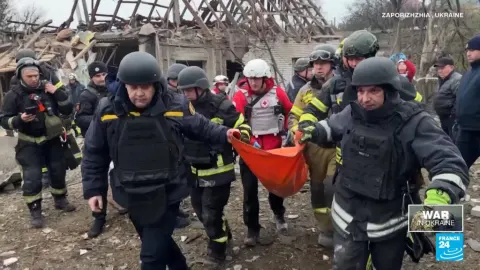
Australia is currently grappling with a disturbing and rapid escalation in teen radicalization, a trend that federal authorities are struggling to contain. According to reports from the Australian Federal Police, there has been a significant surge in counter-terrorism cases involving minors. Specifically, 32 out of the 37 young people prosecuted for such crimes since 2020 were charged in just the last two years. Experts describe a chilling landscape where young individuals are found with hard drives filled with violent extremist material, often referred to as "gore," which serves as a gateway to more organized radical ideologies. This shift suggests that the traditional methods of radicalization have moved almost entirely into encrypted digital spaces, making detection by parents and authorities increasingly difficult.
This phenomenon is not isolated to Australia but represents a broader global challenge where the "lonely teenager" demographic is being targeted by extremist recruiters across the political and religious spectrum. The implications for social stability are profound; as these individuals reach adulthood, the risk of domestic lone-wolf attacks increases. For the international community, this serves as a warning that the next generation of security threats is being forged in the unregulated corners of the internet. For Iranian readers, while the context is different, it highlights the universal risk of digital influence on youth and the potential for sudden shifts in domestic security environments that can lead to tighter internet controls and social friction.
Escalation in the Gulf: IRGC Claims Strike on US Radar in Bahrain
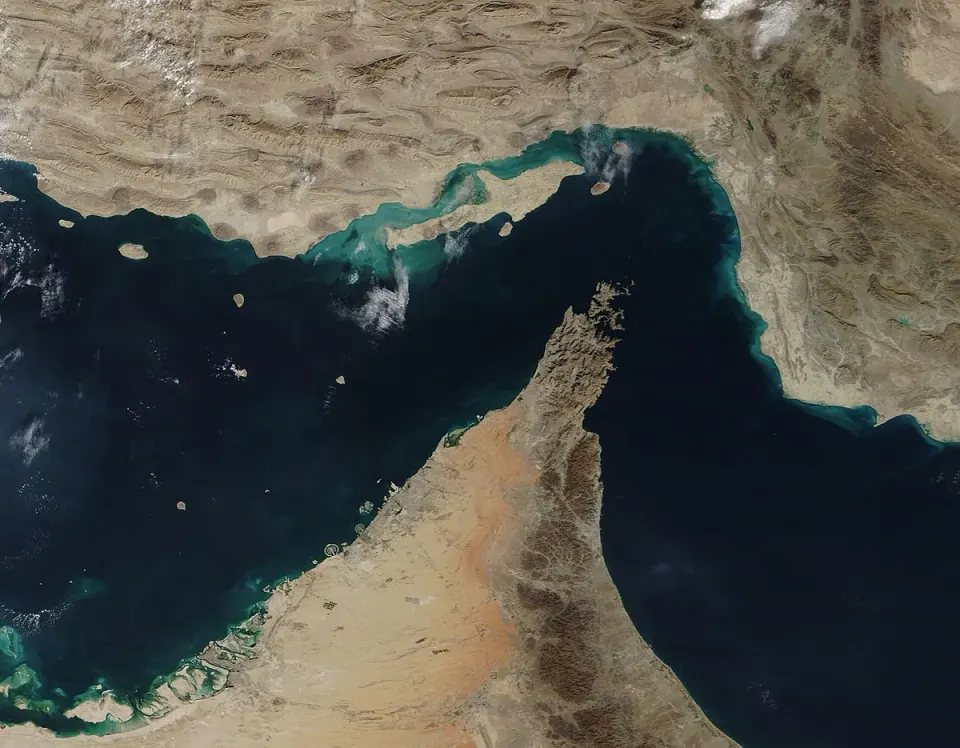
In a move that has significantly heightened regional tensions, the Islamic Revolutionary Guard Corps (IRGC) announced on Friday, November 13, 2026, that it successfully targeted and destroyed a U.S. military early-warning radar installation in Bahrain. According to IRGC statements, this strike was a retaliatory measure following a U.S. aerial attack on a communications tower in Sirik, a strategic location overlooking the Strait of Hormuz. The IRGC framed this as a "serious warning" to what they termed "the aggressor enemy," demanding an end to aerial incursions and what they alleged was oil smuggling facilitated by U.S. forces in the region. This marks the first direct attack on U.S. military infrastructure in several months and signals a departure from the recent period of relative, albeit tense, restraint.
---
This escalation has immediate consequences for global energy security and regional stability. The Strait of Hormuz remains the world's most critical oil chokepoint, and any direct military confrontation in its vicinity sends ripples through the energy markets. While the U.S. has yet to provide a full independent verification of the damage, the mere claim of a direct hit on a base in Bahrain—a key U.S. ally and home to the Fifth Fleet—raises the risk premium for shipping and insurance in the Persian Gulf. For the Iranian public, such escalations often precede fluctuations in the currency market, as the "shadow of war" sentiment typically drives investors toward the safety of the dollar and gold, even if the physical impact remains localized.
Market Normalization Amid Tech Sector Turmoil
Global financial markets are witnessing a complex transition as the era of massive "earnings beats" appears to be cooling. Analysts at Citi have noted that while the majority of S&P 500 companies are still reporting profits above expectations, the margin by which they are exceeding these forecasts is shrinking. This "normalization" of profit surprises is actually being viewed by some strategists as a sign of a healthier, more sustainable market, moving away from the frantic volatility of the post-pandemic recovery. However, this broader stability is being tested by the ongoing chaos at Nvidia. The AI giant has shed nearly $500 billion in market value this week following the high-profile resignation of CEO Jensen Huang amid a scandal involving alleged espionage and personal misconduct.
In the Iranian domestic market, the exchange rate has shown slight upward movement. The USD sell rate moved from 269,500 to 269,800 Toman, a marginal increase of 0.1% over the last 24 hours. While gold prices remained relatively stable, with the 18k gram holding at 25,762,962 Toman, the geopolitical uncertainty in the Gulf and the volatility in the global tech sector are keeping traders on edge. Bitcoin, meanwhile, has struggled to maintain its footing, interacting with its 200-week moving average as it hovered around the $69,229 mark. For investors, the takeaway is clear: the market is shifting its focus from pure growth at any cost to stability and corporate governance, and the coming weeks will determine if the current tech sell-off is a temporary correction or a broader structural shift.
Frequently Asked Questions
چرا حمله ادعایی سپاه به رادار بحرین اهمیت دارد؟
دلیل سقوط ۵۰۰ میلیارد دلاری ارزش انویدیا چیست؟
وضعیت قیمت دلار و طلا در بازار امروز تهران چگونه است؟
Understanding Geopolitical Risk in a Volatile World
Geopolitical risk refers to the potential for political events—such as conflicts, terrorism, political instability, or trade disputes—to negatively impact global stability, economic activity, and financial markets. These risks are inherent in international relations and can manifest in various forms, from localized skirmishes to widespread regional tensions. The "IRGC Bahrain Strike" and "Strait of Hormuz Tension" mentioned in the news headline are prime examples of incidents that immediately elevate geopolitical risk, signaling potential disruptions to energy supplies and regional security.
The effects of heightened geopolitical risk are far-reaching. Economically, they can trigger significant volatility across asset classes. For instance, concerns over supply chain disruptions or increased military spending can lead to a "Nvidia Stock Crash" or broader market downturns as investors shy away from perceived riskier assets. Conversely, "Gold Price Iran" might rise globally, as gold is often considered a safe-haven asset during times of uncertainty, attracting investors seeking to preserve capital.
Furthermore, geopolitical tensions directly influence currency markets. The "USD IRR Price Friday" fluctuation is a specific illustration of how political events, particularly those involving sanctions or regional conflicts, can dramatically impact exchange rates, reflecting investor confidence and the economic outlook of affected nations. Beyond immediate financial impacts, sustained geopolitical instability can deter foreign investment, disrupt trade routes, and even contribute to social unrest, as suggested by "Australia Teen Extremism," which can sometimes be a domestic reflection of broader international ideological clashes.
In an increasingly interconnected world, a seemingly localized event can have ripple effects across continents. Understanding geopolitical risk is crucial for individuals, businesses, and policymakers alike, enabling them to anticipate potential challenges, adapt strategies, and navigate the complex interplay between politics and economics. It underscores the importance of monitoring global events not just for their immediate impact but for their potential to reshape the global economic and security landscape.