Eisenkot Slams Netanyahu’s Campaign as Qatar-Turkey Defense Pact Shifts Regional Power Balance
انتقاد تند آیزنکوت از نتانیاهو و توافق دفاعی قطر و ترکیه؛ آرایش جدید قدرت در منطقه
Tensions flare in Israel as Gadi Eisenkot condemns Netanyahu's 'racist' rhetoric, while a new Qatar-Turkey defense pact signals a strategic shift amid regional conflicts. In the markets, Iranian gold prices see a sharp 3.1% correction as the dollar holds steady.
At time of publishing
USD
271,000
Toman
Gold 18K
24.97M
Toman / gram
Bitcoin
$67,202
US Dollar
Tether
271,523
Toman
Eisenkot Challenges Netanyahu’s ‘Racist’ Rhetoric
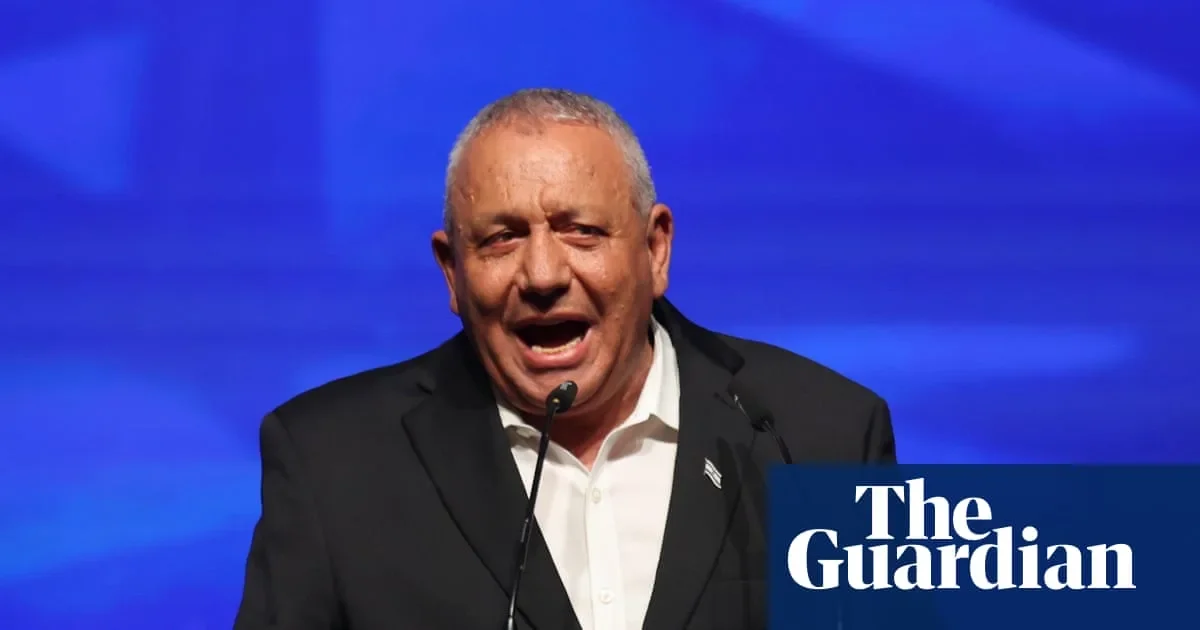
Gadi Eisenkot, a prominent figure in the race for the Israeli premiership, has issued a scathing condemnation of caretaker Prime Minister Benjamin Netanyahu’s recent political tactics. Eisenkot characterized Netanyahu’s campaign against Israel’s Arab citizens as a "racist and aggressive campaign of delegitimization." This outburst follows Netanyahu’s repeated, unsubstantiated claims that Arab political parties are linked to Hamas and have engaged in widespread electoral fraud. Eisenkot’s stance is a calculated move to position himself as a unifying leader, describing the Arab minority as an "integral part of the Israeli story" while seeking to form a broad governing coalition.
This internal political strife comes at a delicate time for Israel. The caretaker government is struggling with disappointing electoral results and a polarized public. For regional observers, including those in Iran, this instability suggests a potential shift in Israel’s future foreign policy. A government led by a figure like Eisenkot might seek different diplomatic avenues compared to the hardline approach of the Netanyahu era. However, the immediate impact is a sense of domestic paralysis that could affect Israel’s military and strategic readiness in the ongoing regional shadow wars.

Qatar and Turkey Formalize Defense Ties Amid Regional Conflict
In a significant geopolitical development, Qatar and Turkey have officially signed a mutual defense pact. Analysts suggest that this agreement, finalized against the backdrop of the ongoing tensions between the United States and Iran, is primarily a deterrent measure. By formalizing their military cooperation, Doha and Ankara are signaling to regional rivals that any aggression against either state would be met with a unified response. This is not merely a symbolic gesture; it represents the solidification of a security axis that has been growing for over a decade, particularly since the 2017 blockade of Qatar.
For the Iranian leadership, this pact presents a complex set of variables. On one hand, Qatar remains a critical diplomatic intermediary and a partner in the massive South Pars gas field. On the other, Turkey’s expanding military footprint in the Persian Gulf through its base in Qatar adds another layer of foreign military presence near Iranian waters. While the pact is framed as defensive, it effectively creates a "third pole" in regional politics, independent of both the traditional Saudi-led bloc and the Iranian-aligned resistance axis. This diversification of security alliances by smaller Gulf states reflects a broader trend of hedging against the unpredictability of major power conflicts.
The ‘Lame Duck’ Era: Trump and the Midterm Aftermath
Following the 2026 midterm elections, the presidency of Donald Trump has entered what many analysts are calling a "lame duck" phase. With Democrats gathering in Denver to chart a path forward after significant electoral gains, the administration’s ability to project power domestically and internationally is being severely tested. Critics argue that this "fat Elvis" stage of the presidency—characterized by high-profile appearances but limited legislative victories—could push the president toward more erratic executive actions to maintain relevance. The loss of a clear mandate often leads to a focus on foreign policy, where the executive branch typically enjoys more leeway, raising concerns about sudden shifts in sanctions or trade policies.
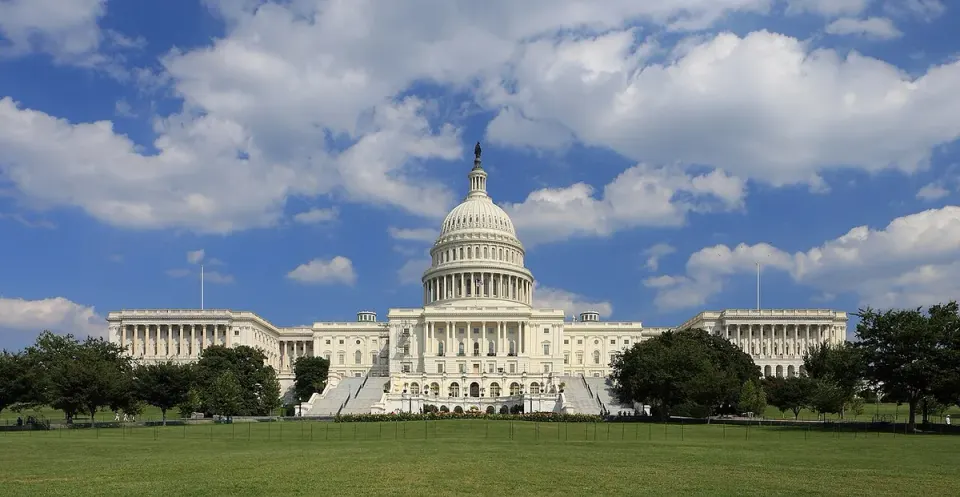
This political gridlock in Washington has direct consequences for global markets and Iranian economic planning. If the US administration is perceived as weakened or legally constrained, it may struggle to enforce complex sanctions regimes with the same vigor. Conversely, a president feeling "defanged" by voters might resort to aggressive rhetoric or symbolic military gestures to project strength. For Iranian traders and policymakers, this means an era of heightened unpredictability where US policy could swing between total inertia and sudden, sharp escalations depending on the domestic political climate in Washington.
Digital Sovereignty: Musk, Zelenskyy, and the Microsoft Outage
The intersection of private technology and national security has reached a new boiling point. Ukrainian President Volodymyr Zelenskyy has accused Elon Musk’s SpaceX of being dishonest about the reasons for slowing down the Starshield satellite system. Zelenskyy claims the "throttling" of military-grade connections is a political decision rather than a technical one, severely impacting drone operations on the frontline. This dispute highlights the immense power held by tech billionaires over modern warfare, where a single corporate decision can alter the course of a national defense strategy.
Simultaneously, Microsoft has announced that its services are fully restored following a massive global outage that paralyzed governments and businesses earlier this week. While the company ruled out a cyberattack, attributing the failure to a network capacity upgrade issue, the incident exposed the extreme fragility of the world’s digital infrastructure. When a single software update can ground flights and stop hospital services across continents, the concept of "digital sovereignty" becomes a priority for every nation. For countries under sanctions like Iran, these events serve as a stark reminder of the risks associated with over-reliance on centralized global tech giants.
Market Wrap: Gold Tumbles as Toman Holds Steady
The Iranian markets on Saturday, November 14, 2026 (شنبه ۲۳ آبان ۱۴۰۵), showed a notable divergence between currency and precious metals. The US Dollar (USD) sell rate edged up slightly from 270,300 to 271,000 Toman, a modest 0.3% increase. This stability in the currency market suggests that despite regional geopolitical shifts, local demand for the greenback remains balanced. However, the gold market told a different story. Gold 18k per gram saw a significant drop, falling from 25,762,962 to 24,966,526 Toman, a sharp -3.1% decline in just 24 hours.

This correction in gold prices, even as the dollar remained stable, indicates a cooling of the recent speculative fever in the domestic gold market. The Emami coin also reflected this downward trend, moving from 254,500,000 to 254,000,000 Toman (-0.2%). For investors, this shift suggests that global gold price movements or a local shift in liquidity toward other assets may be at play. While the Toman hasn't gained significant ground, the easing of gold prices provides some relief to domestic consumers who have watched the metal reach record highs in recent weeks.
Frequently Asked Questions
Why did gold prices drop in Iran despite the dollar being stable?
What is the significance of the Qatar-Turkey defense pact?
How is the US political situation affecting Iran?
Understanding Geopolitical Alliances and Regional Power Shifts
Geopolitical alliances are formal or informal agreements between two or more states to cooperate on matters of security, defense, or economic interest, often in response to perceived threats or shared strategic goals. These pacts are fundamental instruments in international relations, designed to enhance the collective power and influence of member states. Nations form alliances for various reasons, including mutual defense against a common adversary, deterring aggression, promoting economic stability, or projecting power to achieve specific foreign policy objectives. The underlying principle is often the concept of "balance of power," where states seek to prevent any single entity from dominating a region or the international system.
When new alliances emerge or existing ones strengthen, they invariably lead to regional power shifts. A power shift occurs when the distribution of capabilities—military, economic, or diplomatic—among states in a particular geographic area changes significantly. For instance, a defense pact between two countries can alter the security calculus for their neighbors, potentially leading other states to form counter-alliances or seek closer ties with existing blocs. These shifts are not merely about military might; they also encompass economic leverage, technological prowess, and diplomatic influence, all of which contribute to a state's overall power.
The formation of a defense pact, such as the one between Qatar and Turkey mentioned in the headline, is a prime example of how states actively work to reshape their regional environment. Such agreements can be driven by a desire to secure strategic interests, counter perceived threats from rival powers, or simply to enhance their standing in a complex geopolitical landscape. While proponents argue that alliances foster stability by creating deterrents, critics often point out that they can also exacerbate tensions, leading to an arms race or the formation of opposing blocs, thereby increasing the risk of conflict.
Understanding geopolitical alliances and their impact on power dynamics is crucial for interpreting global events. These agreements are not static; they evolve with changing international circumstances, technological advancements, and the shifting priorities of member states. They provide a framework through which nations navigate the complexities of international politics, demonstrating how countries leverage collective strength to achieve individual and shared objectives, ultimately shaping the peace and security of entire regions.