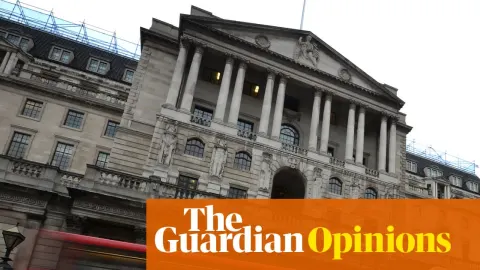
Iran’s Covert European Operations Exposed as Tehran Gold Slumps 3.7%
افشای عملیاتهای مخفی ایران در اروپا همزمان با ریزش ۳.۷ درصدی قیمت طلا در تهران
A bombshell report reveals Iran's targeted operations against European targets centered in London, while domestic gold prices in Tehran see a sharp 3.7% correction. Meanwhile, the AI industry faces a reality check as a list of high-profile failures emerges from giants like Apple and OpenAI.
At time of publishing
USD
268,800
Toman
Gold 18K
24.80M
Toman / gram
Bitcoin
$65,579
US Dollar
Tether
270,153
Toman
The 'London Focus': Iran’s Alleged Shadow War in Europe
A series of investigations and prosecutorial leaks have shed new light on a coordinated campaign by Iranian agents targeting European soil, with a specific directive to "get focused on London." According to recent reports, a wave of assaults and surveillance operations that took place earlier this spring has sowed deep-seated fear across European capitals. These operations were not merely isolated incidents but part of a broader strategy to intimidate U.S. allies and disrupt the activities of dissidents and international critics. The revelations come at a sensitive time for Tehran, as diplomatic channels are already strained by nuclear tensions and regional conflicts.

For the Iranian public, this escalation in shadow diplomacy often translates into economic pressure. While the Rial showed a marginal gain today, the long-term implications of such security breaches are typically met with renewed sanctions or diplomatic isolation. European officials are reportedly considering a more unified response, which could include further restrictions on trade or the designation of specific Iranian entities as terrorist organizations. This geopolitical friction serves as a constant backdrop for the volatility seen in the currency and gold markets, as investors hedge against the risk of a sudden diplomatic breakdown.
Gold Prices Retreat as Toman Finds Temporary Floor
The domestic market in Tehran witnessed a significant correction today, particularly in the precious metals sector. Gold 18k per gram moved from 25,762,962 to 24,798,005 Toman, marking a sharp 3.7% decline within a 24-hour window. This drop is one of the most substantial daily retracements in recent weeks, likely driven by a combination of cooling global gold prices and a slight strengthening of the national currency. The USD sell rate also edged lower, moving from 270,300 to 268,800 Toman, a decrease of 0.6%.
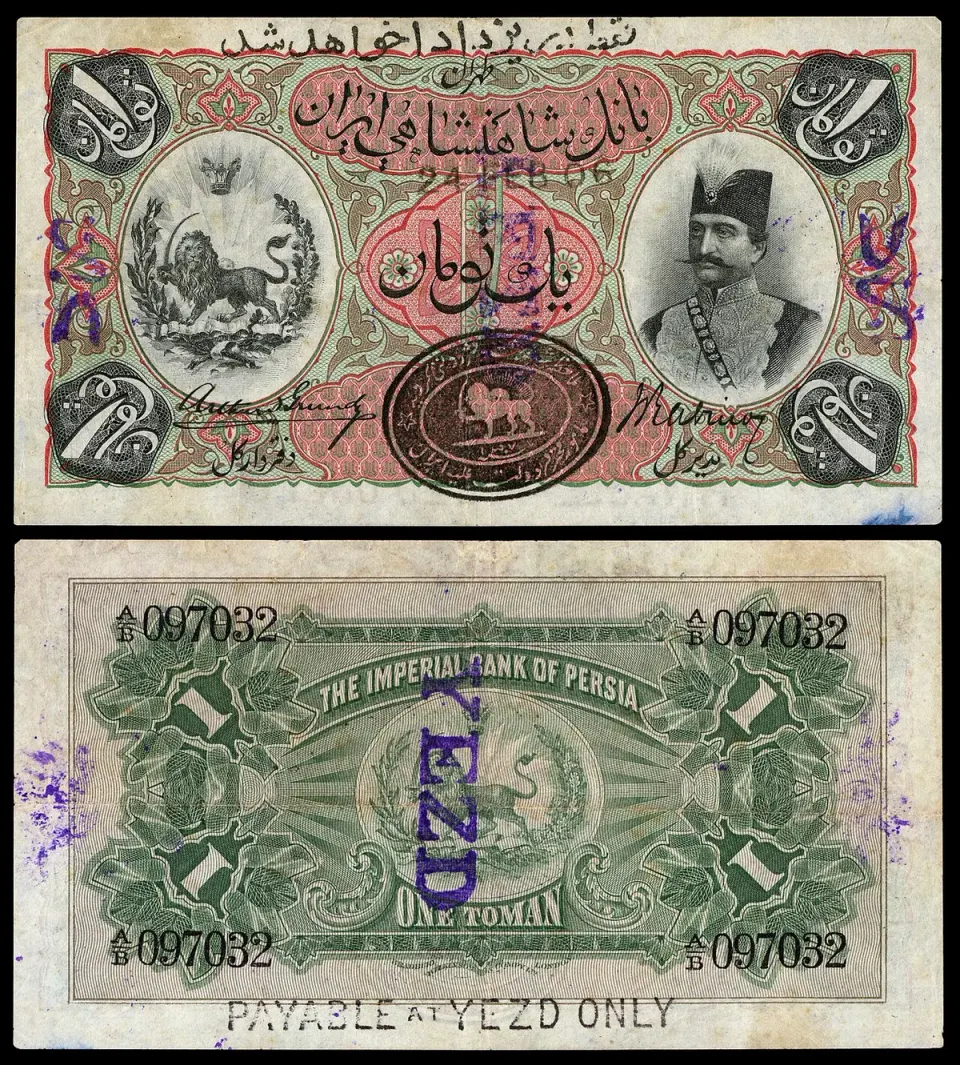
This downward movement provides a brief respite for consumers but signals a complex environment for local investors. The Emami coin also reflected this trend, falling from 254,500,000 to 253,000,000 Toman (-0.6%). Analysts suggest that the market is currently digesting the recent geopolitical shocks, including the ongoing tensions in the Strait of Hormuz. When the immediate threat of military escalation appears to plateau, the speculative premium on gold often evaporates, leading to the kind of sharp correction we observed today. However, with the USD still hovering near historic highs, the underlying inflationary pressure remains a primary concern for the average household.
The AI Reality Check: Giants Face the 'Graveyard'
In the world of technology, the initial euphoria surrounding artificial intelligence is meeting a harsh reality. A new "AI Graveyard" list has highlighted several high-profile projects and startups that have failed to meet expectations or have been outright canceled. Notably, Apple's repeatedly delayed Siri AI enhancements and OpenAI’s struggling "super app" initiatives are being cited as evidence that even the world’s most well-funded companies are hitting technical and market walls. This shift suggests that the era of "growth at any cost" in AI is transitioning into a phase of rigorous consolidation and survival of the fittest.

This cooling sentiment in Silicon Valley has global repercussions, affecting everything from semiconductor demand to venture capital flows. For Iranian tech enthusiasts and the local startup ecosystem, this serves as a cautionary tale. The narrative that AI would solve every business problem is being replaced by a more pragmatic approach focused on utility and monetization. As global giants like Nvidia face leadership transitions and stock volatility, the broader tech market is learning that innovation without a clear path to profitability is a precarious strategy. This reality check is likely to stabilize tech-heavy investment portfolios that were previously driven by pure speculation.
Frequently Asked Questions
Why did gold prices drop so significantly in Tehran today?
What is the 'London Focus' mentioned in the reports?
Are Apple and OpenAI in financial trouble?
Economic Sanctions and Their Impact on Domestic Markets
Economic sanctions are punitive measures imposed by one or more countries (or international bodies) on another country, group, or individual. Their primary goal is often to compel a change in behavior, such as halting nuclear proliferation, improving human rights, or ceasing support for terrorism, by inflicting economic pain. These measures can range from trade restrictions and arms embargoes to financial penalties, asset freezes, and travel bans, effectively isolating the target economy from global financial and commercial systems.
A significant consequence of economic sanctions is their profound impact on a target country's currency. By restricting access to international banking networks and limiting export revenues, sanctions reduce the availability of foreign currency (like the U.S. dollar) within the sanctioned nation. This scarcity drives up the demand for foreign currency, leading to a depreciation of the local currency on both official and unofficial exchange markets. The resulting instability can fuel inflation, erode purchasing power, and make imported goods significantly more expensive, creating a challenging economic environment for citizens.
In such an environment, domestic commodity markets, particularly gold, often react dramatically. Gold is traditionally seen as a safe haven asset, and in economies facing severe currency depreciation and high inflation due to sanctions, its demand can surge as people seek to preserve their wealth. However, the market for gold can also become volatile. While increased demand might initially push prices higher, factors like government policies (e.g., attempts to control the market or sell gold reserves for foreign currency), internal liquidity issues, or even a temporary strengthening of the local currency (a "correction") can cause prices to slump, as indicated by the headline's mention of a "Tehran Gold Slump" and "Emami coin price drop."
The interplay between sanctions, currency depreciation, and gold market dynamics creates a complex economic landscape. Governments in sanctioned countries might resort to various strategies, including covert operations or developing parallel financial systems, to circumvent these restrictions and maintain economic stability. However, these efforts often come with increased costs and risks, further illustrating the far-reaching and multifaceted challenges posed by economic sanctions.