Betting on Outbreaks: Polymarket Health Wagers Spark Ethics Row as Hormuz Tanker Fire Rattles Markets
شرطبندی روی بیماری؛ ورود پلیمارت به بحرانهای سلامت و تنش دوباره در تنگه هرمز
Prediction markets are now hosting bets on disease outbreaks and vaccine mandates, turning public health crises into financial assets. Meanwhile, a new tanker fire in the Strait of Hormuz and hawkish signals from the Bank of England keep global markets on edge.
At time of publishing
USD
270,700
Toman
Gold 18K
24.95M
Toman / gram
Bitcoin
$67,116
US Dollar
Tether
271,150
Toman
The Financialization of Disease: Polymarket’s New Frontier
A new and controversial trend is emerging in the world of decentralized finance and prediction markets. Platforms like Polymarket and Kalshi have begun hosting wagers on public health outcomes, including the spread of measles and the likelihood of new vaccine mandates. In Brooklyn, advertisements for these markets have appeared near elementary schools, asking passersby if they believe certain states will end vaccine requirements. This shift represents a radical expansion of prediction markets, which gained massive mainstream attention during the recent US election cycle, but are now moving into the sensitive territory of human biology and public safety.
Experts and bioethicists are raising alarms about the implications of turning a pandemic or a local outbreak into a profitable event for speculators. The concern is twofold: first, that these markets could incentivize the spread of misinformation to manipulate betting odds, and second, that they create a perverse incentive structure where individuals might profit from public suffering. For the global audience, including those in Iran who increasingly use crypto-based prediction markets to hedge against economic volatility, this highlights the "financialization of everything"—a world where even a virus becomes a tradable asset with a fluctuating price floor.

Explosions in the Strait: Shipping Risks Intensify
The geopolitical temperature in the Persian Gulf has spiked once again following reports from the Iranian Navy that an "offending" oil tanker caught fire east of the Strait of Hormuz on Saturday. According to state-affiliated media, the vessel struck a naval mine in a prohibited area, leading to a significant blaze. This incident follows a string of similar maritime disruptions that have plagued the world's most vital oil chokepoint over the past week, suggesting a "new normal" of high-risk navigation that shipping insurers are struggling to price. The term "violating tanker" used by official sources suggests a legal or regulatory justification for the incident, though independent verification of the mine's origin remains unavailable.
For the Iranian economy, these maritime tensions are a double-edged sword. While they demonstrate regional leverage, they also exert immediate pressure on the national currency and the cost of imports. In the last 24 hours, the USD in Tehran's open market rose from 270,300 to 270,700 Toman (+0.1%). While the percentage move is small, the psychological floor of the Toman is being tested by the persistent threat of maritime escalation. Interestingly, despite the rising tension, Gold 18k per gram fell from 25,762,962 to 24,954,984 Toman (-3.1%), indicating that local holders might be liquidating assets to cover Toman liquidity needs or reacting to broader global gold price corrections.

Global Inflation and the Cost of Energy
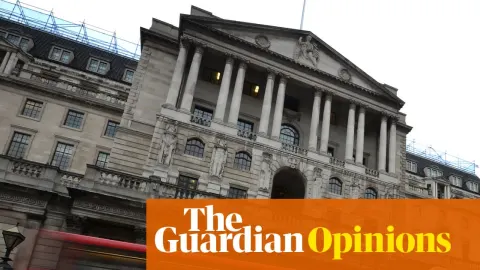
Across the Atlantic, the Bank of England’s chief economist, Huw Pill, has signaled that the era of high interest rates is far from over. After raising rates to 4% last month, Pill suggested that further hikes are likely in early 2027 to combat stubborn inflation. This hawkish stance is a reminder that the global fight against rising costs is hitting a plateau. For homeowners and businesses, this means the cost of borrowing will remain prohibitively high, dampening economic growth in the UK and, by extension, affecting global trade partners. This monetary tightening usually supports a stronger US Dollar globally, which indirectly adds to the devaluation pressure on the Toman as the greenback gains strength against a basket of international currencies.
Simultaneously, urban centers like New York City are facing a different kind of crisis: the deadly rise of lithium-ion battery fires. With over 400 fires and 12 deaths reported this year alone, the FDNY is calling for urgent infrastructure changes. Most of these fires are linked to e-bikes used by delivery workers in the gig economy. This is not just a local safety issue; it is a global cautionary tale about the rapid adoption of green technology without the necessary regulatory and safety frameworks. As Iran looks toward increasing its own fleet of electric motorcycles to combat urban pollution, the New York experience serves as a grim blueprint of the risks involved in unregulated battery markets.
Technological Sovereignty: The Starshield Dispute
In the ongoing conflict in Ukraine, President Volodymyr Zelensky has once again accused SpaceX of throttling Starshield access—the military-grade version of Starlink—over Russian-occupied territories. Zelensky claims these restrictions are hampering drone operations, which are critical to Ukraine's defense strategy. SpaceX has denied these claims, but the friction underscores a growing global anxiety: the immense power held by private tech billionaires over national security. When a single corporation can effectively "switch off" a nation's ability to defend itself, the concept of technological sovereignty becomes the most important geopolitical asset of the 21st century.
For observers in the Middle East, this dispute is a case study in dependency. The reliance on foreign-owned satellite constellations for communication and defense is a strategic vulnerability that many nations are now racing to mitigate. Whether it is through domestic satellite programs or diversified partnerships, the lesson from the Starshield controversy is clear: in the modern era, digital infrastructure is just as important as physical borders. As global powers like Russia and China intervene in regional discussions, the role of private tech in the theatre of war continues to reshape the boundaries of international law and corporate responsibility.
Frequently Asked Questions
Why is betting on health crises controversial?
What caused the tanker fire in the Strait of Hormuz?
How did the Toman react to today's geopolitical news?
What is Starshield and why is Zelensky complaining about it?
Understanding Prediction Markets: Forecasting Future Events
Prediction markets are unique platforms where participants trade contracts whose payoffs are tied to the outcome of future events. Unlike traditional gambling, which often focuses on entertainment, prediction markets are designed to aggregate information and forecast real-world occurrences, ranging from political elections and economic indicators to technological adoption and even health outcomes. The core idea is that the collective wisdom of a diverse group of individuals, reflected in market prices, can often provide more accurate predictions than individual experts or polls. When you buy a contract predicting an event will happen, and sell one predicting it won't, the market price at any given moment effectively represents the crowd's perceived probability of that event occurring.
The mechanism behind prediction markets is straightforward yet powerful. Imagine a market for a contract that pays $1 if a specific event occurs and $0 if it doesn't. If the market price for this contract is $0.70, it implies that participants collectively believe there's a 70% chance of the event happening. This dynamic incentivizes individuals with private information to trade, pushing prices towards a more accurate reflection of reality. By leveraging the financial incentives of participants who profit from accurate predictions and lose from inaccurate ones, these markets can distill dispersed knowledge into a single, probabilistic forecast, making them valuable tools for decision-makers in various fields.
However, prediction markets are not without their controversies, as highlighted by the “ethics row” surrounding “health wagers.” Concerns arise when markets allow betting on sensitive events like disease outbreaks, raising moral questions about profiting from human suffering or potentially incentivizing undesirable outcomes. Regulators also face challenges in classifying and overseeing these platforms, which often operate in a grey area between financial markets and gambling. Despite these ethical and regulatory hurdles, the potential for prediction markets to provide valuable, real-time insights into future probabilities ensures their continued relevance and discussion in an increasingly data-driven world.