Iran Asserts Hormuz Sovereignty as US Drone Downed; Global Markets Brace for Rate Hikes
تاکید ایران بر حاکمیت هرمز همزمان با سرنگونی پهپاد آمریکا؛ سایه افزایش نرخ بهره بر بازارهای جهانی
Persian Gulf tensions escalate as Iran’s Vice President asserts sovereignty over the Strait of Hormuz following the downing of a 17th US drone. Meanwhile, gold prices in Iran see a sharp 3.4% drop as global markets react to signals of further interest rate hikes from the Bank of England.
At time of publishing
USD
270,100
Toman
Gold 18K
24.90M
Toman / gram
Bitcoin
$66,652
US Dollar
Tether
271,436
Toman
Sovereignty and Surveillance in the Persian Gulf
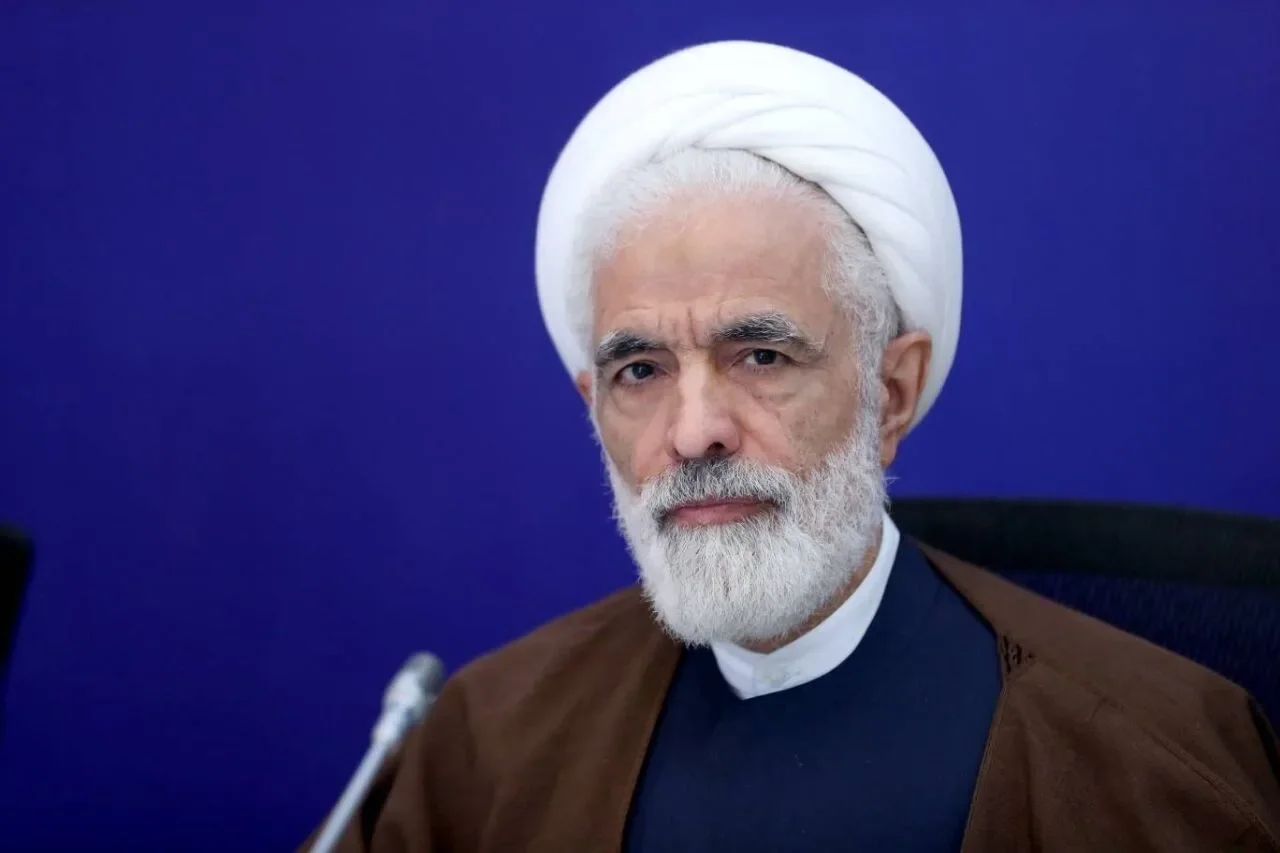
At 17:00 Tehran time on Saturday, November 14, 2026, the geopolitical landscape in the Middle East has shifted toward heightened legal and military posturing. Vice President for Legal Affairs Majid Ansari has issued a stern reminder to the international community, emphasizing that Iran will not compromise on its nuclear rights or its territorial sovereignty over the Strait of Hormuz. Ansari’s statement comes at a time when Tehran is seeking "fair treatment" in international negotiations, framing the control of the world’s most vital oil chokepoint as a non-negotiable element of national security. This rhetoric serves as a direct response to the tightening maritime and air restrictions coordinated by Washington, which officials in the U.S. believe are effectively isolating the Iranian economy.
Adding a kinetic layer to this diplomatic friction, the Islamic Revolution Guard Corps (IRGC) announced the downing of a U.S. MQ-1 drone over Qeshm Island. This marks the 17th such aircraft intercepted by Iranian forces, highlighting a persistent and dangerous game of electronic warfare and surveillance in the Persian Gulf. For the average Iranian reader, these developments are more than just headlines; they directly influence the risk premium attached to the Toman. While the USD/IRR remained relatively stable today, moving from 270,300 to 270,100 (-0.1%), the constant threat of maritime disruption keeps the market on edge, preventing any significant recovery in consumer confidence.
Global Economy: The Long Shadow of Interest Rates
Beyond the regional tensions, the global financial landscape is being reshaped by hawkish signals from the Bank of England. Chief Economist Huw Pill warned that the recent hike to 4% was merely a step in a longer journey, with further interest rate increases likely in the coming months and into early 2027. This stance is primarily driven by stubborn inflation that refuses to return to target levels. Pill’s comments have sent a chill through the mortgage markets, with an estimated 2.3 million homeowners in the UK facing significantly higher refinancing costs next year.
This tightening of monetary policy in the West has a ripple effect that reaches the Iranian gold market. As interest rates rise globally, the opportunity cost of holding non-yielding assets like gold increases, leading to a cooling of prices. Locally, we are already seeing the impact: Gold 18k/gram fell sharply from 25,762,962 to 24,899,579 Toman, a significant -3.4% decrease in just 24 hours. The Emami coin also tracked this downward trend, dropping to 253,500,000 Toman (-0.4%). For investors in Tehran, the message is clear: the era of cheap global liquidity is not returning anytime soon, and the local gold market is adjusting to this harsh reality.

Tech & Markets: AI Resilience vs. Crypto Fatigue
In the technology sector, the "post-election panic" that recently battered data center and AI stocks appears to be overblown, according to a new analysis from Bernstein. While the market saw a widespread selloff recently, analysts have identified six AI-related stocks that are likely to bounce back, arguing that they are more insulated from political shifts than investors realize. This suggests that while the "visionary showman" era of CEOs like Jensen Huang might be facing scrutiny—especially with rumors of leadership transitions at Nvidia—the underlying demand for AI infrastructure remains a fundamental driver of the global economy.
Conversely, the cryptocurrency market is struggling to find its footing. Bitcoin has fallen below the $68,000 mark, currently trading at $66,652, as ETF outflows extend into their seventh consecutive day. This prolonged exit of institutional capital suggests a temporary exhaustion of the "Trump trade" that had previously propelled the asset to new highs. For Iranian crypto traders, the combination of a stagnant Bitcoin price and a slightly softening USD means that portfolio values in Toman are under dual pressure. The market is now looking for a new catalyst, perhaps in the form of regulatory clarity or a pause in the central banks' aggressive rate hikes.
Geopolitics: The Human Cost of Policy Whiplash
Finally, a developing story in the United States highlights the volatility of immigration policy under the current administration. Dozens of Afghans who fled the Taliban and sought refuge in the U.S. are experiencing what advocates call "policy whiplash." Plans for imminent deportations were reportedly put on hold this weekend, providing a fragile and likely temporary relief for families who fear that returning to Afghanistan would be a death sentence. Members of Congress have warned that these individuals have already survived a war and should not be used as pawns in domestic political maneuvers.
This situation underscores the broader instability in U.S. foreign and domestic policy, which creates a climate of uncertainty for regional allies and adversaries alike. As the Trump administration navigates these complex humanitarian issues, the global community watches closely to see if the "America First" approach will lead to further isolation or a new form of transactional diplomacy. For the region, any shift in U.S. deportation or refugee policy can have unforeseen consequences on migration flows, potentially increasing the burden on neighboring countries including Iran.
Frequently Asked Questions
چرا قیمت طلا در ایران امروز ۳.۴ درصد کاهش یافت؟
سرنگونی هفدهمین پهپاد آمریکایی چه تاثیری بر بازار ارز دارد؟
آیا روند نزولی بیتکوین ادامه خواهد داشت؟
The Strait of Hormuz: A Global Economic Chokepoint
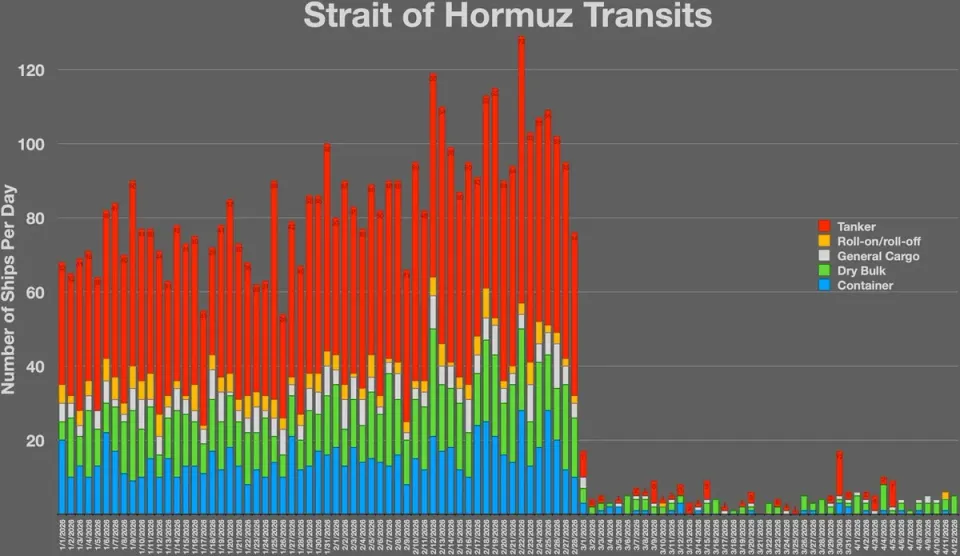
The Strait of Hormuz is not merely a geographical feature; it is one of the world's most critical geopolitical chokepoints, a narrow maritime passage with immense global economic and strategic significance. Connecting the Persian Gulf to the Arabian Sea, this strait is the sole sea passage for a substantial portion of the world's oil and liquefied natural gas (LNG) shipments from major producers like Saudi Arabia, Iran, UAE, Kuwait, and Iraq. Its strategic importance means that any assertion of sovereignty, military incident like a drone downing, or threat of disruption immediately sends ripples across international markets.
Disruptions or even perceived threats to free navigation through the Strait of Hormuz can trigger significant volatility in global energy prices. Given that a large percentage of the world's seaborne oil passes through this waterway daily, any impediment could drastically reduce supply, leading to sharp increases in crude oil prices. Such price surges contribute directly to global inflation, affecting everything from transportation costs to consumer goods, and placing pressure on central banks worldwide, including institutions like the Bank of England, to consider interest rate hikes to curb rising prices.
Furthermore, geopolitical tensions surrounding the Strait profoundly impact national economies, particularly those of oil-exporting nations in the region, such as Iran. The stability of the Strait is crucial for Iran's oil exports, which are a primary source of its revenue. Any threat to this trade route, or the imposition of sanctions affecting it, can severely impact the country's economic stability, reflected in its currency exchange rates, such as the USD/IRR. In times of heightened uncertainty, investors often seek safe-haven assets like gold, which can see its price fluctuate in response to these geopolitical developments.
Understanding the role of the Strait of Hormuz as a chokepoint is essential for grasping the intricate connections between geopolitics, energy security, and global economic stability. It highlights how local incidents can have far-reaching consequences, influencing everything from international trade routes to the monetary policies of distant central banks and the value of global commodities.