Nvidia’s $1 Trillion Crisis: Can the AI Empire Survive Without the Visionary Jensen Huang?
بحران یک تریلیون دلاری انویدیا؛ آیا امپراتوری هوش مصنوعی بدون جنسن هانگ دوام میآورد؟
Nvidia faces a massive valuation threat as CEO Jensen Huang steps down amid scandal, while Tesla tests the limits of autonomy with a 'personal use' Cybercab. Meanwhile, global markets eye the inflationary impact of US tariffs and a bizarre 'sheep' stock rally in China.
At time of publishing
USD
270,000
Toman
Gold 18K
24.82M
Toman / gram
Bitcoin
$66,232
US Dollar
Tether
269,552
Toman
The Founder's Trap: Nvidia After Jensen Huang
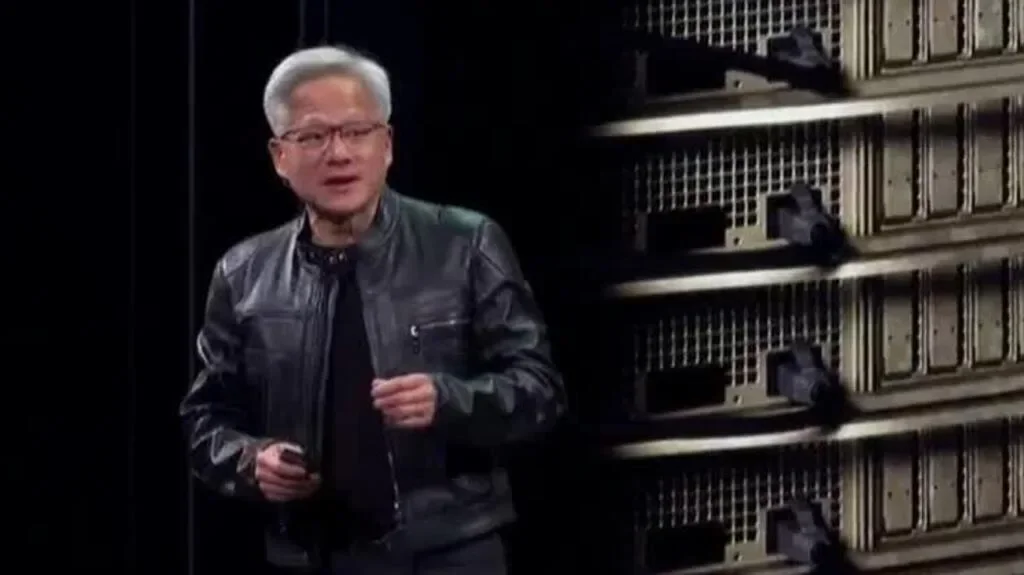
Jensen Huang’s sudden departure has sent shockwaves through the tech world, with analysts warning that Nvidia could see its market valuation plummet by as much as 30%. The "rockstar" CEO, known for his signature leather jacket and visionary leadership, is reportedly stepping down following allegations of an affair with a Chinese spy. This leadership vacuum has forced Nvidia to approach potential successors, including Rene Haas, the CEO of Arm, as the company desperately tries to stabilize investor confidence in the face of a mounting crisis. The news has already begun to rattle tech-heavy indices, as Huang was widely seen as the primary architect of the current generative AI boom.
The situation highlights a critical vulnerability in the modern tech landscape: the "founder-dependency" trap. For years, Nvidia’s identity and its multi-trillion-dollar valuation have been inextricably linked to Huang’s personal brand and his ability to predict the AI revolution. Without him, the company faces not only a logistical challenge in finding a new leader but also an existential crisis regarding its future direction. Employees are reportedly divided, with some clamoring for his return while others fear the geopolitical implications of the scandal. This internal strife could slow down product development cycles at a time when competition from rivals like AMD and specialized AI chip startups is intensifying.

For the broader market, this is a cautionary tale about the fragility of the AI sector. If the world’s most valuable chipmaker can be humbled by a single leadership scandal, it raises questions about the sustainability of current tech valuations. Investors are now watching closely to see if a "visionary showman" is truly a requirement for success in the age of high-stakes technology, or if a more traditional corporate structure can maintain Nvidia’s dominance. The outcome will likely dictate the trajectory of AI investment for the remainder of 2026.
Tesla’s Cybercab Strategy and the Fine Print of Autonomy
Tesla has once again blurred the lines between futuristic promise and practical reality by inviting select customers to purchase the Cybercab for "personal use." However, the fine print reveals significant limitations: the steering-wheel-free vehicle will only be operational in "supported service areas." This move is seen as a tactical attempt by Elon Musk to maintain momentum for Tesla’s autonomous driving narrative, even as regulatory hurdles and technical challenges continue to delay a full-scale robotaxi rollout. It represents a shift from a fleet-only model to a niche consumer product aimed at early adopters.
The "personal use" offer is a departure from the original vision of the Cybercab as a purely commercial fleet vehicle. By putting these cars in the hands of individuals, Tesla may be looking to gather more real-world data across diverse environments, effectively using its most loyal customers as beta testers for its Level 5 autonomy goals. It also serves as a premium status symbol, catering to those who want to own a piece of the "autonomous future" regardless of its current functional constraints. Critics, however, argue that selling a car with such limited geographic utility is more about boosting quarterly revenue than advancing transportation technology.
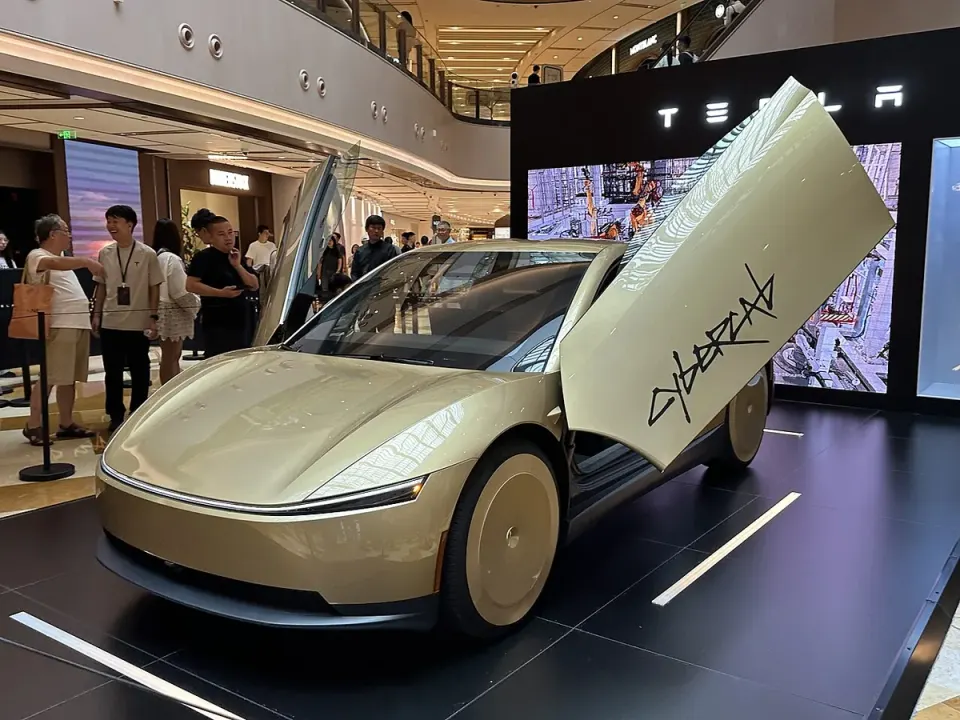
Ultimately, this strategy underscores the immense pressure on Tesla to deliver on its self-driving promises. As competitors in China and the US catch up, Tesla’s reliance on software-driven value becomes its primary differentiator. Whether consumers will be willing to pay for a vehicle they can only drive in specific zip codes remains to be seen, but the move certainly keeps Tesla at the center of the global conversation regarding the transition from traditional car ownership to autonomous mobility.
Market Shifts: US Tariffs and China’s 'Sheep' Rally
As the US economy grapples with persistent affordability issues, a growing chorus of voices in Washington is calling for a rejection of proposed tariff hikes. Critics argue that these trade barriers, intended to protect domestic industries, are instead driving up costs for American consumers and businesses. With inflation still a primary concern, the debate over trade policy has become a central battleground. In the local Iranian market, we see a slight cooling: the USD sell rate moved from 270,300 to 270,000 Toman (-0.1%), while Gold 18k per gram dropped significantly from 25,762,962 to 24,821,090 Toman (-3.7%), reflecting a broader correction in precious metals.
Meanwhile, in a bizarre twist of market psychology, Chinese retail investors are flocking to stocks whose names phonetically resemble the word "sheep" ahead of the upcoming Lunar Year of the Sheep. Companies ranging from fish processors to lighting manufacturers have seen their shares soar, despite having no fundamental changes in their business operations. This phenomenon highlights the unique cultural and speculative forces that often drive price action in the Chinese equity markets, often independent of traditional financial metrics or global economic trends.
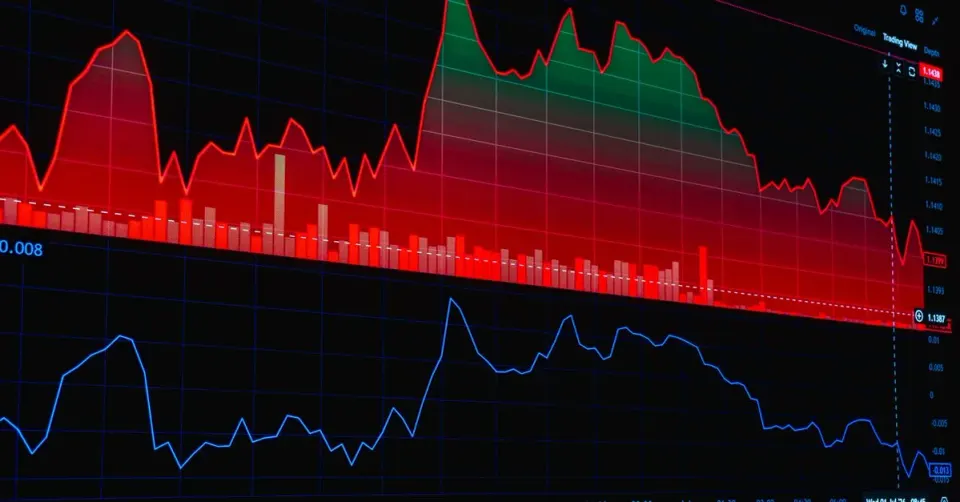
This "name-based" trading serves as a stark reminder of the high level of retail participation in China’s markets, where social media trends and cultural symbolism can trigger massive liquidity shifts. While these rallies are often short-lived and prone to sudden corrections, they underscore the volatility inherent in markets driven by sentiment. For global investors, it provides a window into the complexities of navigating a landscape where understanding local culture can be just as important as analyzing a balance sheet.
Watch
Jensen Huang has been the ‘guiding light’ of Nvidia for a while, investment expert says
Fox Business
Frequently Asked Questions
چرا استعفای جنسن هانگ برای بازار اهمیت زیادی دارد؟
محدودیتهای خرید سایبرکب تسلا برای افراد عادی چیست؟
علت ریزش شدید قیمت طلا در بازار ایران در تاریخ ۲۳ آبان چه بود؟
Understanding Key Person Risk in Visionary-Led Companies
The news surrounding a potential departure of a visionary leader like Jensen Huang from Nvidia, and the implied impact on the company's valuation, highlights a critical concept in business and finance: Key Person Risk. This risk refers to the potential for significant negative impact on an organization due to the loss or incapacitation of an individual with unique skills, knowledge, or relationships that are crucial to the company's success. In the tech world, particularly with companies built around groundbreaking innovation, founders often embody the company's vision, drive its strategic direction, and command immense investor confidence. Their presence is often seen as a guarantee of future innovation and market leadership.
For companies like Nvidia, where a single individual is deeply intertwined with the brand's identity and technological breakthroughs, the perceived loss of that leader can trigger widespread investor uncertainty. This isn't just about management skills; it's about the unique foresight, network, and inspirational leadership that shapes culture and innovation. The market often assigns a 'founder's premium' to such companies, reflecting the belief that the founder's continued involvement is indispensable for sustained growth and competitive advantage. Therefore, any hint of their departure can lead to a significant reassessment of the company's future prospects, often resulting in stock volatility or a 'crash' as investors price in the uncertainty.
Mitigating Key Person Risk is a core challenge for boards and management teams. Effective strategies include robust succession planning, which identifies and prepares future leaders capable of stepping into critical roles. It also involves institutionalizing knowledge, ensuring that processes and innovations aren't solely reliant on one person's memory or expertise. Diversifying leadership, empowering a strong executive team, and fostering a culture of innovation that extends beyond a single individual are also vital. While no one can perfectly replace a visionary founder, a well-prepared organization can significantly reduce its vulnerability and ensure long-term resilience, even in the face of leadership transitions.