Muslim Bloc Condemns Gaza Hospital Strike as AI Trust Crisis Deepens and Gold Prices Retrace in Tehran
محکومیت جهانی حمله به بیمارستان ناصر همزمان با بحران اعتماد در مدیریت هوش مصنوعی و ریزش قیمت طلا
A coalition of 18 Muslim-majority nations has issued a stern condemnation of the strike on Gaza's Nasser Hospital, signaling a diplomatic escalation. Meanwhile, governance concerns at OpenAI resurface as gold prices in the Iranian market see a significant 3.6% correction.
At time of publishing
USD
270,000
Toman
Gold 18K
24.83M
Toman / gram
Bitcoin
$65,392
US Dollar
Tether
269,697
Toman
Diplomatic Surge: 18 Nations Condemn Nasser Hospital Strike
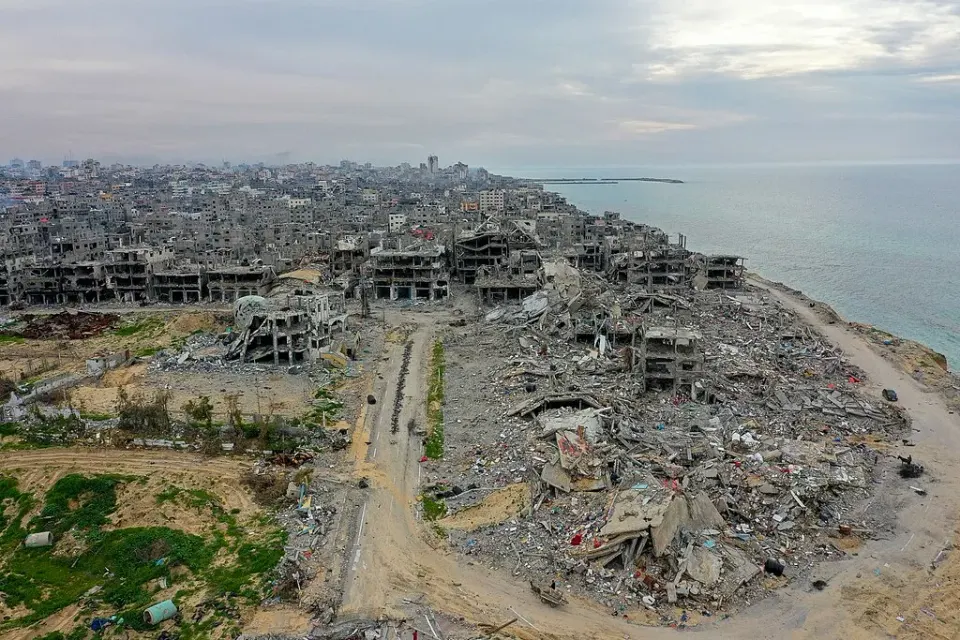
In a rare display of unified diplomatic pressure, 18 Muslim-majority countries, including several major Arab powers, have issued a joint condemnation of the recent Israeli airstrike on the Nasser Medical Complex in Gaza. According to reports from IRNA, the foreign ministers expressed outrage over the targeting of medical infrastructure, which has resulted in significant casualties among both patients and healthcare workers. This collective stance marks a pivot in the regional response, moving from individual statements to a coordinated bloc that demands immediate international intervention and accountability for strikes on humanitarian zones.
For regional observers, this development is more than just rhetoric; it signals a hardening of the diplomatic corridor that could influence ongoing ceasefire negotiations. The involvement of such a broad coalition suggests that the political cost of the conflict is rising for international mediators. In the context of the Iranian market, such geopolitical escalations typically trigger volatility in the 'informal' currency rates. However, the current reaction has been surprisingly muted, with the USD/IRR pair showing a slight decline, suggesting that traders may be waiting for a more concrete military or economic consequence before shifting their positions.
Governance and Wallets: The Dual Crisis at OpenAI
The narrative surrounding artificial intelligence is shifting from technological wonder to a gritty debate over corporate governance. Helen Toner, a former OpenAI board member, has reignited the fire by publicly stating that the tech industry still cannot fully trust AI CEOs, specifically pointing to the lack of transparency that led to the brief firing of Sam Altman. Toner’s critique, shared in a recent interview, emphasizes that the incentives for rapid commercialization often override the necessary safety protocols, leaving the public and regulators in the dark about the true capabilities and risks of emerging models.
Simultaneously, OpenAI is moving to consolidate its grip on the burgeoning 'AI agent' economy. The company recently launched the 'ChatGPT Wallet,' a tool designed to allow autonomous AI agents to make purchases using traditional credit cards rather than cryptocurrencies. This move is a direct challenge to the crypto-native payment solutions proposed by firms like Coinbase and Circle. By bypassing the blockchain for everyday transactions, OpenAI is signaling that it intends to integrate AI agents into the existing financial infrastructure, potentially sidelining crypto’s role as the 'native currency of the internet.' This shift could have long-term implications for how digital value is moved, favoring traditional banking rails over decentralized alternatives.

Global Logistics in Chaos and Local Gold Corrections
Global travel and infrastructure are facing a moment of reckoning as the United States struggles to recover from a massive FAA ground stop. Thousands of flights remain canceled as officials blame an aging air traffic control system for a four-hour nationwide halt that occurred earlier this week. While Homeland Security officials have stated there is no evidence of a cyberattack, the incident has exposed the extreme fragility of modern logistics. In Canada, the economic ripple effects are being felt differently, with steelmaker Stelco recalling 175 workers following government pressure, highlighting a tug-of-war between industrial demand and state intervention in the North American market.
In the Iranian domestic market, the most striking move today has been the sharp correction in gold prices. The price of 18-karat gold fell from 25,762,962 to 24,828,016 Toman, marking a substantial 3.6% decrease in just 24 hours. This drop, accompanied by a 0.6% decline in the Emami coin to 253,000,000 Toman, suggests a cooling of the speculative fever that has gripped the market in recent weeks. While the USD sell rate remained relatively stable, moving from 270,300 to 270,000 Toman (-0.1%), the outsized move in gold indicates a shift in local investor sentiment, possibly driven by global gold prices stabilizing at $3,887.60 or a temporary exhaustion of local buying power.
Frequently Asked Questions
چرا قیمت طلا در بازار ایران ۳.۶ درصد ریزش کرد؟
کیف پول جدید اوپنایآی چه تفاوتی با کیف پولهای رمزارزی دارد؟
آیا توقف پروازها در آمریکا ناشی از حمله سایبری بود؟
Understanding Currency Depreciation and its Impact on Gold Prices
Currency depreciation refers to the decrease in the value of a country's currency relative to other currencies, often the US dollar. This economic phenomenon can be triggered by a variety of factors, including high inflation, large trade deficits, political instability, or international sanctions. When a nation's currency loses value, it means that more units of the local currency are required to purchase the same amount of foreign currency or goods priced in foreign currency. This directly impacts a nation's purchasing power on the global stage and can have profound effects on its domestic economy.
One of the most immediate and visible impacts of currency depreciation is often seen in the prices of commodities, particularly gold. Gold has long been considered a 'safe-haven asset'—a reliable store of value that investors flock to during times of economic uncertainty, geopolitical turmoil, or when they fear inflation and currency devaluation. Because gold is typically priced in US dollars on international markets, a depreciation of the local currency means that it takes more local currency units to buy an ounce of gold. This effectively drives up the domestic price of gold, making it appear more expensive in local terms.
For economies like Iran, which have historically faced significant international sanctions and periods of high inflation, understanding currency depreciation is crucial. The Iranian Rial (IRR) has experienced considerable volatility, often leading domestic investors to view gold as a primary hedge against the erosion of their wealth. When the Rial depreciates, the demand for gold often surges as citizens seek to convert their savings into a more stable asset, further pushing up its local price. The mention of gold prices 'retracing' in Tehran suggests a temporary reversal or stabilization, perhaps due to specific market interventions, changes in supply/demand dynamics, or short-term shifts in economic sentiment, but the underlying sensitivity to currency fluctuations remains a defining characteristic of the market.
Ultimately, currency depreciation is not just an abstract economic term; it has tangible consequences for everyday citizens and investors. It affects the cost of imports, the competitiveness of exports, and the real value of savings. For those navigating volatile economic landscapes, understanding how their local currency's value interacts with global commodity prices, especially gold, is key to making informed financial decisions and preserving wealth.