Deutsche Bank Leaks Reveal Oligarch Ties as Ghalibaf Warns of Strikes on Iran’s Infrastructure
افشای روابط دویچه بانک با الیگارشها و هشدار قالیباف درباره حمله به سدها
Leaked records show Deutsche Bank continued courting Russian oligarchs despite sanctions, while Iran's Parliament Speaker warns of threats to civilian dams. Meanwhile, oil prices slide to $91.70 as global supply fears outweigh regional tensions.
At time of publishing
USD
268,600
Toman
Gold 18K
24.77M
Toman / gram
Bitcoin
$64,409
US Dollar
Tether
270,561
Toman
Deutsche Bank Records Reveal Sanction-Busting Ambitions
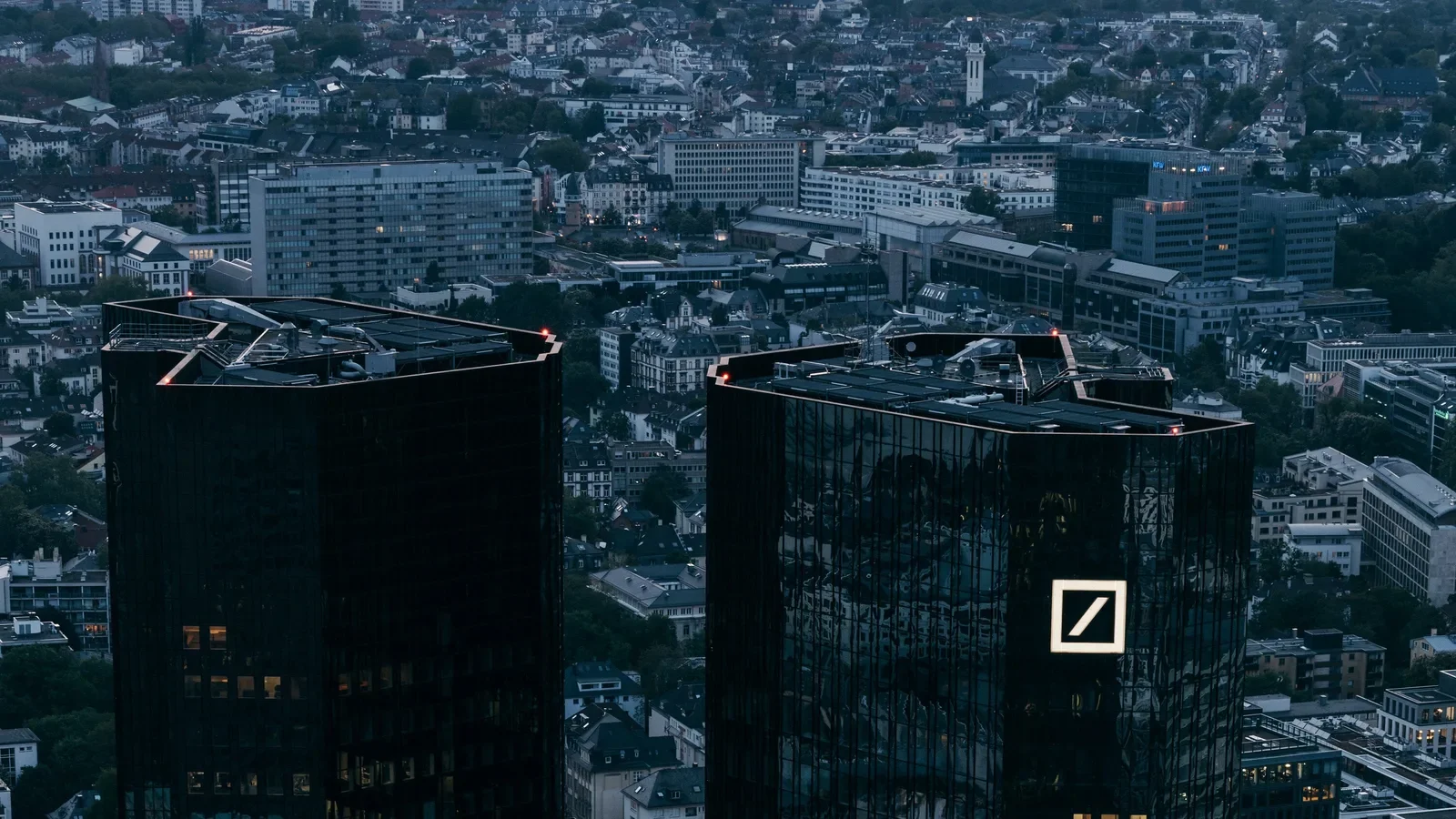
Leaked internal records from Deutsche Bank have sparked a fresh wave of scrutiny over the financial sector's compliance with global sanctions. The documents, which include internal analyst communications, suggest that the bank was actively courting Russian oligarchs even as international pressure mounted to isolate the Kremlin's financial backers. One analyst reportedly noted the bank's "large Russian oligarchs client population," indicating a strategic desire to preserve these lucrative relationships despite the legal and reputational risks involved. This revelation comes at a time when Western regulators are tightening the screws on financial institutions that facilitate the movement of wealth for sanctioned individuals.
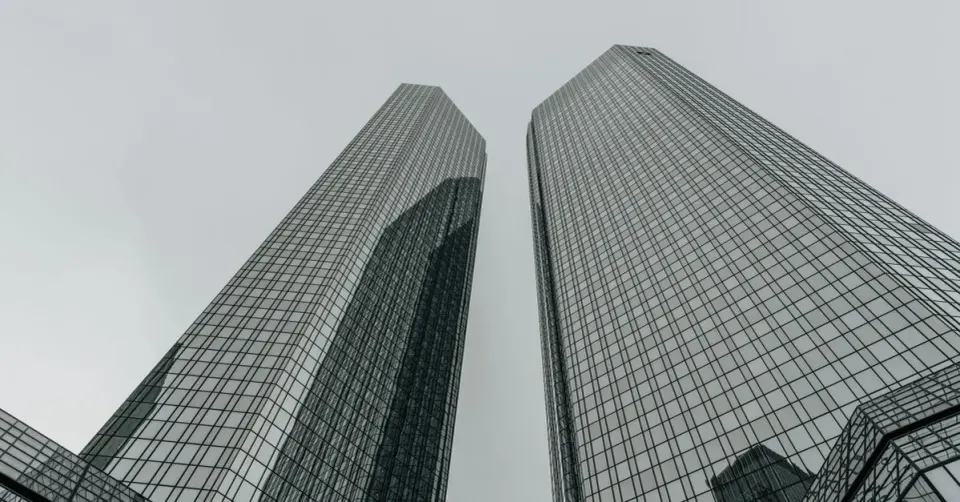
The implications of these leaks are profound for the global financial architecture. It suggests that the "financial wall" intended to isolate sanctioned regimes is far more porous than policymakers would like to admit. For investors, this signals potential regulatory crackdowns and hefty fines for major European lenders, which could lead to increased volatility in banking stocks. The story also highlights the ongoing struggle between profit motives and geopolitical alignment, as banks find it difficult to walk away from high-net-worth portfolios that have been cultivated over decades.
Ghalibaf Warns of Attacks on Iran’s Civilian Infrastructure
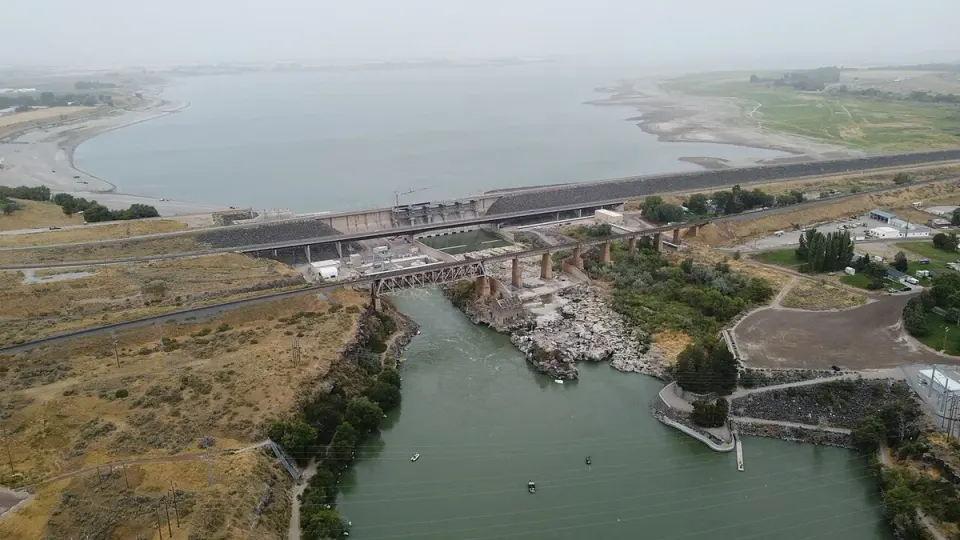
In a sharp rebuke of international media reporting, Mohammad Bagher Ghalibaf, the Speaker of the Iranian Parliament, has warned against what he perceives as an attempt to justify attacks on the country's civilian infrastructure. Ghalibaf specifically targeted a report by the New York Times regarding Iran’s dams, suggesting that such narratives serve as a precursor to military or cyber strikes on critical water resources. While the Iranian government frequently uses such rhetoric to consolidate domestic support, the explicit mention of dams—a vital component of the nation's energy and agricultural stability—indicates a heightened state of alert within the establishment.
This warning comes amid a broader context of regional instability and the ongoing shadow war between Iran and its adversaries. By framing international reporting as a security threat, the Iranian leadership is likely attempting to preemptively blame external actors for any potential infrastructure failures or future escalations. For the Iranian public, these statements reinforce a sense of siege, which often directly impacts market sentiment, driving demand for safe-haven assets like gold and hard currency as a hedge against unpredictable domestic disruptions.
Oil Prices Slide Despite Rising Tensions in the Strait of Hormuz
Despite ongoing reports of attacks on vessels in the Persian Gulf and Houthi strikes on Saudi energy infrastructure, crude oil prices have extended their recent decline. Brent crude is currently trading at $91.70 per barrel, while West Texas Intermediate has dipped to $85.03. The primary driver behind this downward movement appears to be a growing fear of a global supply glut, which has eclipsed the immediate geopolitical risks associated with the Strait of Hormuz. Market participants seem more concerned with slowing industrial demand and rising inventories than the potential for a temporary supply squeeze in the Middle East.
This price action suggests a significant shift in market psychology. Traditionally, any sign of tension in the Persian Gulf would send oil prices soaring; however, the current resilience of supply—particularly from non-OPEC sources—has provided a cushion. For the global economy, lower oil prices offer a reprieve from inflationary pressures, but for oil-dependent economies like Iran, this trend complicates budget planning and reduces the effectiveness of energy exports as a geopolitical lever. The market is effectively betting that the global economic slowdown will be a more persistent force than regional skirmishes.
Crypto Markets Hold Steady as Solana Targets Long-Term Growth
In the cryptocurrency space, Bitcoin continues to trade around the $64,409 mark, showing resilience after rebounding from recent lows. While the broader market remains in a consolidation phase, attention has shifted toward Solana, with institutional analysts at Bitwise projecting a potential climb to $1,100 by 2031 in a bullish scenario. Meanwhile, Binance founder CZ has moved to deny rumors that the exchange was liquidating assets to defend certain price levels, a move intended to restore confidence among retail traders who have been spooked by recent volatility.
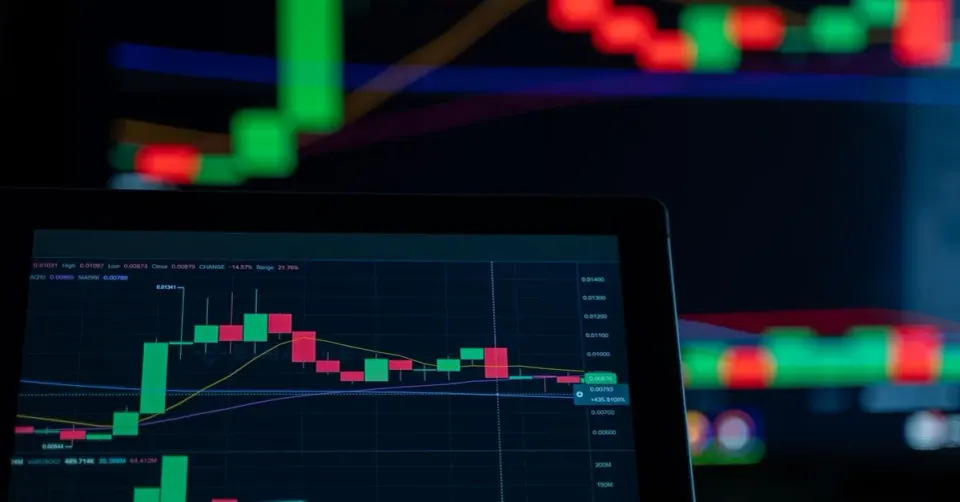
For Iranian traders, the stability of Bitcoin is mirrored by a relatively flat USD/IRR rate, which has held steady at 268,600 Toman. However, the price of gold in the domestic market has seen a slight uptick, with 18k gold rising from 24,539,452 to 24,770,303 Toman (+0.9%). This divergence suggests that while the global crypto market is looking for its next catalyst, local investors in Iran are still leaning toward traditional hedges like gold and coins to protect their purchasing power against long-term inflationary risks.
Frequently Asked Questions
چرا قیمت نفت با وجود حملات در تنگه هرمز کاهش یافته است؟
تأثیر افشای اسناد دویچه بانک بر بازارهای مالی چیست؟
علت رشد قیمت طلا در تهران علیرغم ثبات قیمت دلار چیست؟
How Economic Sanctions are Circumvented Through Correspondent Banking
Economic sanctions are a powerful diplomatic tool that aim to restrict a target country, entity, or individual from accessing the global financial system. When the United Nations, the United States, or the European Union impose sanctions on Russian oligarchs, the goal is to freeze assets, block transactions, and cut off the flow of capital that could fund illicit activities or undermine political pressure. However, the modern banking network is highly interconnected, and sanctions can be softened by the practice of correspondent banking, where a bank in one country holds accounts for, and processes payments on behalf of, a foreign bank that may not have a physical presence in the jurisdiction.
In a correspondent banking relationship, the “respondent” bank provides services such as wire transfers, foreign exchange, and trade finance to its “correspondent” partner. This arrangement is essential for cross‑border commerce, but it also creates a conduit that can be exploited. If a sanctioned Russian bank maintains a correspondent account at a major Western bank, that Western bank can unintentionally route funds for the sanctioned entity, especially if the transaction is disguised as a routine trade payment or a legitimate corporate transfer. The Deutsche Bank leaks revealed precisely such hidden ties, showing how the bank’s correspondent relationships were used to move money for oligarch‑linked companies, raising serious compliance concerns.
Financial institutions mitigate these risks through Know‑Your‑Customer (KYC) procedures, enhanced due diligence (EDD), and regular monitoring of transaction patterns. Regulators like the Financial Action Task Force (FATF) set international standards that require banks to screen counterparties against sanctions lists and to flag suspicious activity. Yet, the sheer volume of daily global payments—over $200 trillion in 2023—means that gaps can persist, especially when sophisticated actors use shell companies, offshore jurisdictions, and complex trade structures to mask the true origin and destination of funds.
Understanding how correspondent banking works and why it is a focal point for sanctions evasion helps readers grasp the broader geopolitical stakes behind headlines about Deutsche Bank leaks, Russian oligarchs, and the ripple effects on oil markets and regional stability. It also underscores the importance of robust compliance frameworks and international cooperation in preserving the integrity of the global financial system.