Trump Manila Summit Marred by Protests over Iran War as Anthropic Targets $1.4 Trillion IPO
تنش در مانیل همزمان با شکار پهپاد آمریکایی توسط سپاه و عرضه اولیه ۱.۴ تریلیون دلاری آنتروپیک
Global tensions peak as hundreds are arrested in the Philippines protesting President Trump’s policies on Iran and AI. Meanwhile, the IRGC claims another US drone capture, and the tech world braces for a massive $1.4 trillion Anthropic IPO that could reshape global markets.
At time of publishing
USD
269,500
Toman
Gold 18K
24.59M
Toman / gram
Bitcoin
$64,651
US Dollar
Tether
270,561
Toman
Geopolitical Friction Peaks at the Manila Summit
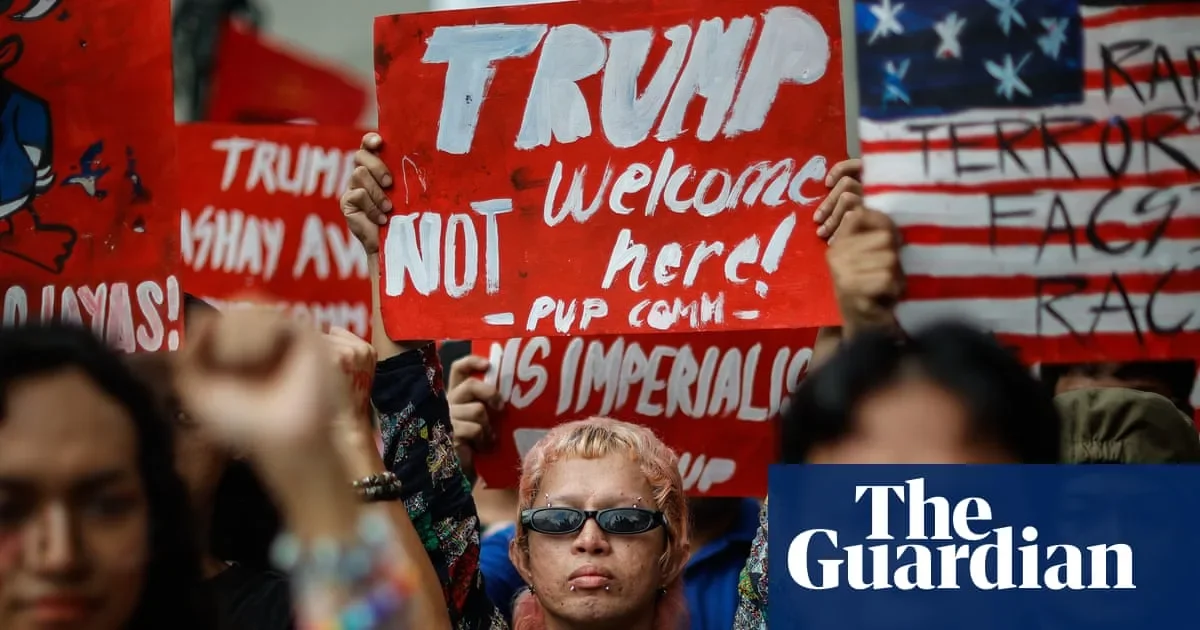
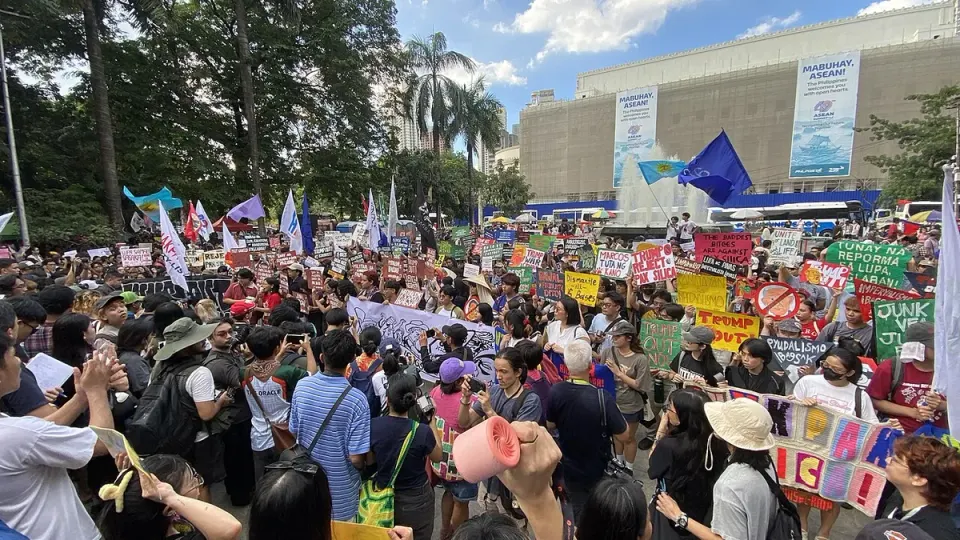
The arrival of US President Donald Trump in Manila for the Asean and Apec summits has been greeted not with diplomatic fanfare, but with widespread unrest and hundreds of arrests. Protesters, estimated to reach upwards of 10,000 people, have taken to the streets to voice their fury over the administration's stance on the ongoing conflict with Iran and a controversial new AI pact. The demonstrations highlight a growing international backlash against US foreign policy, with local organizers claiming that the region is being dragged into a broader geopolitical struggle that threatens local stability and economic security.
This unrest comes at a critical juncture for the Philippines, as authorities struggle to maintain order while the eyes of the world are on the summit site. The clash between police and protesters underscores the deep-seated anxiety regarding the "Iran war" narrative that has dominated the late 2026 headlines. For global observers, these protests are more than just local dissent; they represent a fracturing of traditional alliances as Southeast Asian nations find themselves caught between Washington’s aggressive posture and their own domestic stability. The heavy-handed response by Philippine authorities, resulting in hundreds of detentions, only adds to the narrative of a world on edge.
---
Iran Claims Electronic Warfare Victory as Rhetoric Sharpens
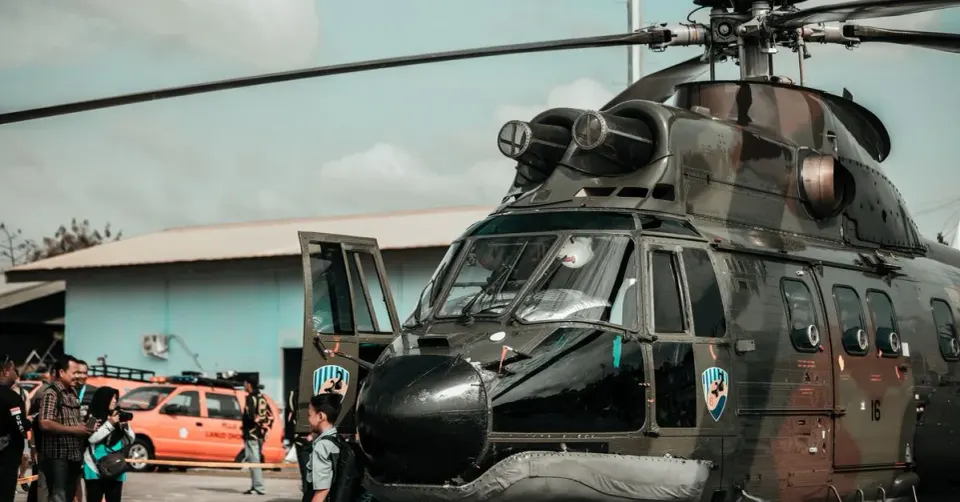
On the regional front, the Islamic Revolution Guards Corps (IRGC) has announced the capture of a ninth US MQM-170 drone. According to reports from Iranian state media (IRNA), the aircraft was brought down during a sophisticated electronic warfare operation. While the US military has not yet confirmed the loss, the IRGC has been increasingly vocal about its ability to intercept and seize high-tech American assets. This development is seen as a direct challenge to US surveillance capabilities in the region and serves as a propaganda victory for Tehran at a time of extreme bilateral tension.
Simultaneously, the diplomatic language between Tehran and Washington has reached a new low. Esmaeil Baqaei, the spokesperson for the Iranian Foreign Ministry, recently compared remarks by US Secretary of State Marco Rubio to the rhetoric of Adolf Hitler and Daesh terrorists. Rubio’s suggestion that the US should "stop quoting laws to men with swords" has been framed by Tehran as an admission of lawlessness and state-sponsored aggression. This breakdown in communication suggests that the window for any meaningful de-escalation is closing, with both sides now relying on public condemnations and military posturing to define their relationship.
---
Anthropic’s $1.4 Trillion IPO and the Shifting Market Landscape
In the financial world, the primary focus is the imminent IPO of Anthropic, the AI developer behind the Claude chatbot. Expected to value the company at a staggering $1.4 trillion, this float is being described as a "millionaire factory" that could mint over 4,000 new millionaires among its staff. This massive influx of wealth is already being felt in London’s high-end property market, as tech entrepreneurs look to park their newly acquired capital in luxury assets. The scale of this IPO marks a significant shift in the global economy, where AI firms are now competing with traditional tech giants and sovereign states in terms of financial influence.
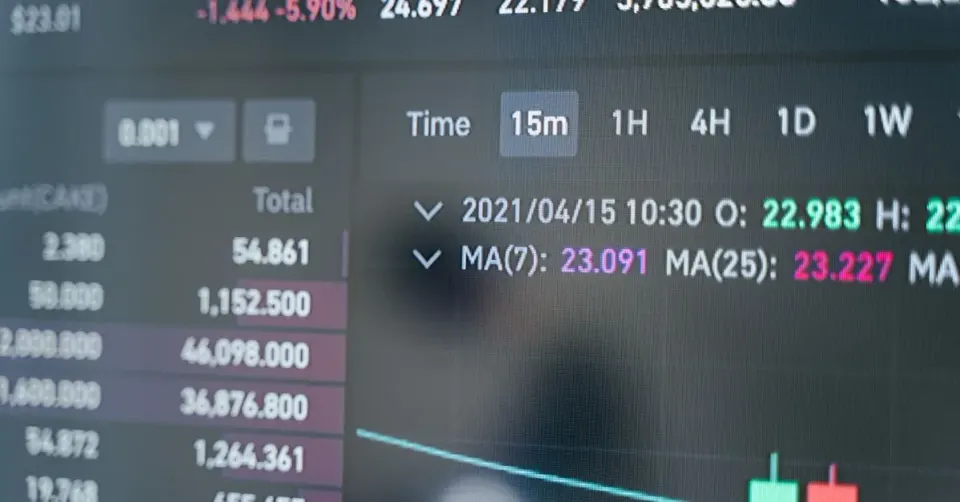
However, this tech optimism contrasts sharply with the broader market's cautious tone. Bitcoin remains pinned below the $65,000 mark, trading at $64,651 as investors weigh the impact of potential interest rate hikes and geopolitical instability. In the Iranian domestic market, the US Dollar has seen a slight uptick, rising from 268,600 to 269,500 Toman (+0.3%). Gold prices also showed modest gains, with the Emami coin rising 0.8% to 253,500,000 Toman. These movements reflect a market that is hedging against uncertainty, balancing the explosive growth of the AI sector against the persistent risks of conflict and inflation.
---
Energy and Infrastructure Under Pressure
Beyond the headlines of war and AI, a quieter crisis is brewing in the global energy and aviation sectors. Airlines are currently facing a severe fuel crisis as hedging contracts expire, leaving them vulnerable to the "eye-wateringly high" prices of jet fuel. This has been exacerbated by the ongoing tensions in the Middle East, which have disrupted traditional supply chains. United Airlines recently reported a widespread system outage, adding to the logistical nightmares facing travelers and logistics firms alike. While the airline claimed the issue was not cybersecurity-related, the frequency of such failures points to an aging infrastructure struggling to keep pace with modern demands.
In the United States, the largest grid operator, PJM Interconnection, is racing to streamline power generation to keep up with the data center boom fueled by companies like Anthropic and Nvidia. The demand for electricity to power AI processing has created a supply shortfall of nearly 6.8 GW. This energy hunger is forcing extraordinary measures, including the US Army hosting rare earth processing plants on military bases to break China’s monopoly on critical minerals. The intersection of energy security, tech growth, and military readiness is becoming the defining challenge of the 2026 economic landscape.
Frequently Asked Questions
چرا در فیلیپین علیه ترامپ تظاهرات شده است؟
اهمیت شکار پهپاد MQM-170 توسط سپاه چیست؟
عرضه اولیه آنتروپیک چه تاثیری بر بازارها دارد؟
Understanding Initial Public Offerings (IPOs) and Why AI Startups Like Anthropic Go Public
An Initial Public Offering (IPO) is the process by which a privately‑held company sells shares to the public for the first time. By listing on a stock exchange, the firm gains access to a much larger pool of capital than it could raise from private investors or venture capital alone. The proceeds can be used to fund research and development, expand operations, or pay down debt. At the same time, an IPO creates a market price for the company’s equity, giving founders, employees, and early investors a liquid way to realise the value of their holdings.
For AI‑focused companies like Anthropic, the decision to go public is especially strategic. The artificial‑intelligence market is exploding, with global spending projected to exceed $1 trillion by 2026. Raising $1.4 trillion in market capitalisation (the target for Anthropic’s IPO) not only supplies the cash needed to train ever‑larger models but also signals credibility to enterprise customers and partners who may be wary of untested, privately‑held startups. Public scrutiny forces the firm to adopt stricter governance, transparency, and reporting standards—factors that can be decisive when negotiating large‑scale contracts with governments or corporations.
The mechanics of an IPO involve several key steps: hiring underwriters (usually large investment banks) to price the shares, filing a prospectus with securities regulators, and conducting a “roadshow” where executives pitch the business to institutional investors. The underwriters balance the desire for a high opening price with the need to ensure that the shares are not over‑priced, which could lead to a post‑IPO price drop. Once the shares begin trading, the market determines the ongoing valuation based on supply, demand, and the company’s performance.
While an IPO can unlock massive growth capital, it also brings new responsibilities. Public companies must file quarterly earnings reports, disclose material risks, and answer to a broader shareholder base. For AI firms, this means being prepared to discuss the ethical implications of their technology, data‑privacy safeguards, and potential regulatory challenges—issues that were previously handled behind closed doors.
In short, an IPO transforms a fast‑growing startup into a publicly accountable entity, providing the financial muscle to compete on a global stage while demanding greater transparency and discipline. Understanding this process helps investors and observers gauge why a company like Anthropic is willing to navigate the complexities of the public markets at a time when AI is reshaping the economy.