Iran Denounces Nuclear Claims as Fourth Tanker Ignites in Escalating Hormuz Crisis
هشدار اتمی تهران در سازمان ملل همزمان با انفجار چهارمین نفتکش در تنگه هرمز
Iran's UN envoy has dismissed nuclear allegations as 'baseless' while regional tensions spike following the fourth tanker fire in the Strait of Hormuz within 24 hours. Meanwhile, global markets are bracing for impact as infrastructure strikes intensify in both Ukraine and the Middle East.
At time of publishing
USD
268,500
Toman
Gold 18K
24.59M
Toman / gram
Bitcoin
$64,401
US Dollar
Tether
270,040
Toman
Tehran Rejects Nuclear Allegations Amid Regional Escalation
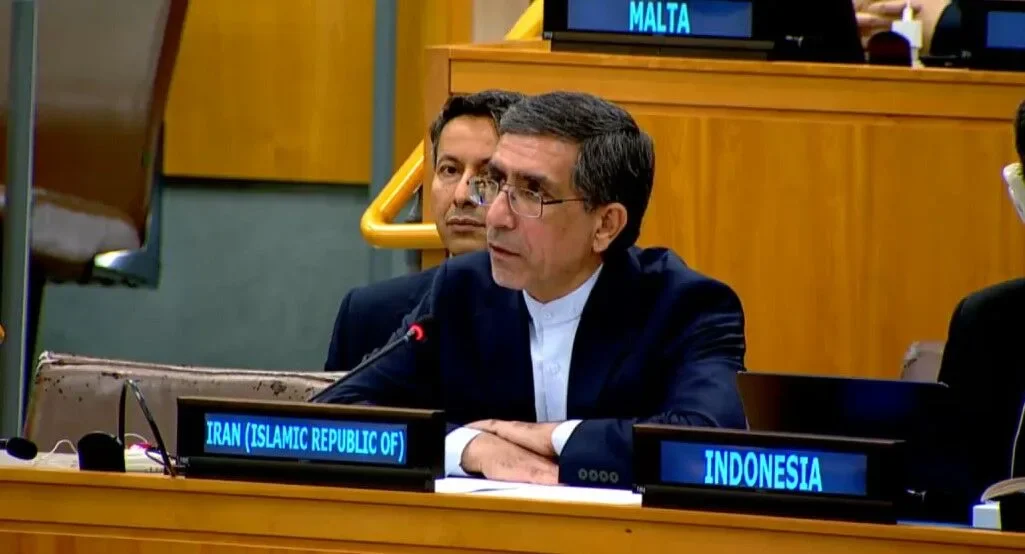
At the United Nations, Iran’s Ambassador and Chargé d’Affaires, Gholamhossein Darzi, has issued a stern rebuttal against what he termed "baseless allegations" regarding the country's peaceful nuclear program. Speaking in New York, Darzi criticized certain Western nations for focusing on Tehran's nuclear activities while remaining silent on the broader US-Israeli military actions in the region. This diplomatic friction comes at a sensitive time when international monitors are seeking greater transparency, and the rhetoric suggests a hardening of positions that could stall any remaining backchannel negotiations.
For the average Iranian reader, this diplomatic standoff is more than just geopolitical theater. Historically, such escalations at the UN often precede new waves of sanctions or restrictive measures from the IAEA Board of Governors. While the USD sell rate remained stable at 268,500 Toman this hour, the underlying tension keeps the market in a state of 'wait-and-see.' Any further breakdown in communication typically results in a flight to hard assets, as evidenced by the slight uptick in domestic gold prices today.
Chaos in the Strait: Fourth Tanker Hit by Sea Mine
The maritime security situation in the Persian Gulf has deteriorated sharply as the Islamic Republic of Iran Navy reported a fourth tanker sustaining severe damage east of the Strait of Hormuz. According to state media reports, the vessel struck a sea mine, marking the fourth such incident within a single 24-hour window. This rapid succession of maritime casualties has sent shockwaves through the global shipping industry, raising insurance premiums and forcing vessels to reconsider their routes through the world’s most vital energy chokepoint.
This immediate physical threat to energy corridors has already begun to bleed into the domestic markets. While the US Dollar has not yet seen a major breakout, the price of the Emami gold coin rose from 251,500,000 to 253,000,000 Toman (+0.6%) in the last 24 hours. This movement reflects a growing 'risk premium' being priced into the Iranian economy. When the Strait of Hormuz becomes a zone of active kinetic conflict, the cost of imports rises due to shipping risks, and the psychological impact on the Toman often follows with a lag.
Infrastructure War: Crimea Bridge and Kyiv Crossings Targeted
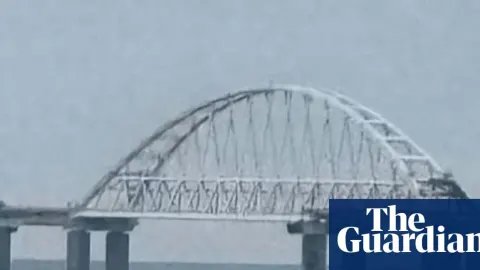
In the European theater, the conflict between Russia and Ukraine has reached a new level of infrastructure-focused intensity. Reports indicate that the strategic bridge linking Crimea to the Russian mainland has been shut down following a Ukrainian strike, while Russian forces have simultaneously targeted key river crossings in Kyiv. This 'tit-for-tat' approach to destroying vital logistics and civilian infrastructure suggests a winter of escalation where neither side is willing to back down, further straining global supply chains already burdened by Middle Eastern instability.
For global investors, these strikes represent a heightened level of geopolitical risk that keeps safe-haven assets like gold in high demand. The international gold ounce is currently trading at a staggering $3,868.20, reflecting a world in deep uncertainty. As traditional transport routes in both the Black Sea and the Persian Gulf face disruption, the inflationary pressure on global commodities is unlikely to ease, making the local 18k gold price of 24,590,239 Toman per gram a focal point for those looking to preserve their purchasing power.

The Economic Aftermath: Debt and Tech Sanctions
Beyond the immediate conflict zones, a silent crisis is brewing in the global economy. A recent report highlights that the debt load of developing countries has jumped to a record $9.4 trillion, as high interest rates in the West trickle down to the world’s poorest nations. This debt trap makes it increasingly difficult for countries like Iran, which are already under heavy sanctions, to find liquidity or engage in standard international trade. The combination of high borrowing costs and regional instability is creating a perfect storm for emerging markets.
Furthermore, the technology sector is facing its own set of 'iron curtains.' The US administration has moved to block China’s remote access to advanced AI chips, introducing new export license requirements for several Southeast Asian nations. This tech-decoupling means that the future of AI and high-performance computing will be increasingly fragmented. For the Iranian tech sector, this suggests that sourcing advanced hardware will become even more difficult and expensive, potentially widening the digital divide as global tech giants are forced to pick sides in a growing digital cold war.
Frequently Asked Questions
چرا با وجود ثبات دلار، قیمت سکه در بازار تهران افزایش یافته است؟
تأثیر انفجار نفتکشها در تنگه هرمز بر اقتصاد ایران چیست؟
محدودیتهای جدید تراشههای AI آمریکا چه ارتباطی با بازار ایران دارد؟
Understanding Geopolitical Chokepoints: The Strait of Hormuz
A "geopolitical chokepoint" refers to a narrow geographical passage, such as a strait, canal, or mountain pass, that is strategically vital because it concentrates maritime or land traffic. These critical conduits are essential for global trade, energy supply, and military movements, making them points of immense strategic interest and potential vulnerability. Disruptions at a chokepoint can have far-reaching economic and political consequences, affecting everything from commodity prices to international relations.
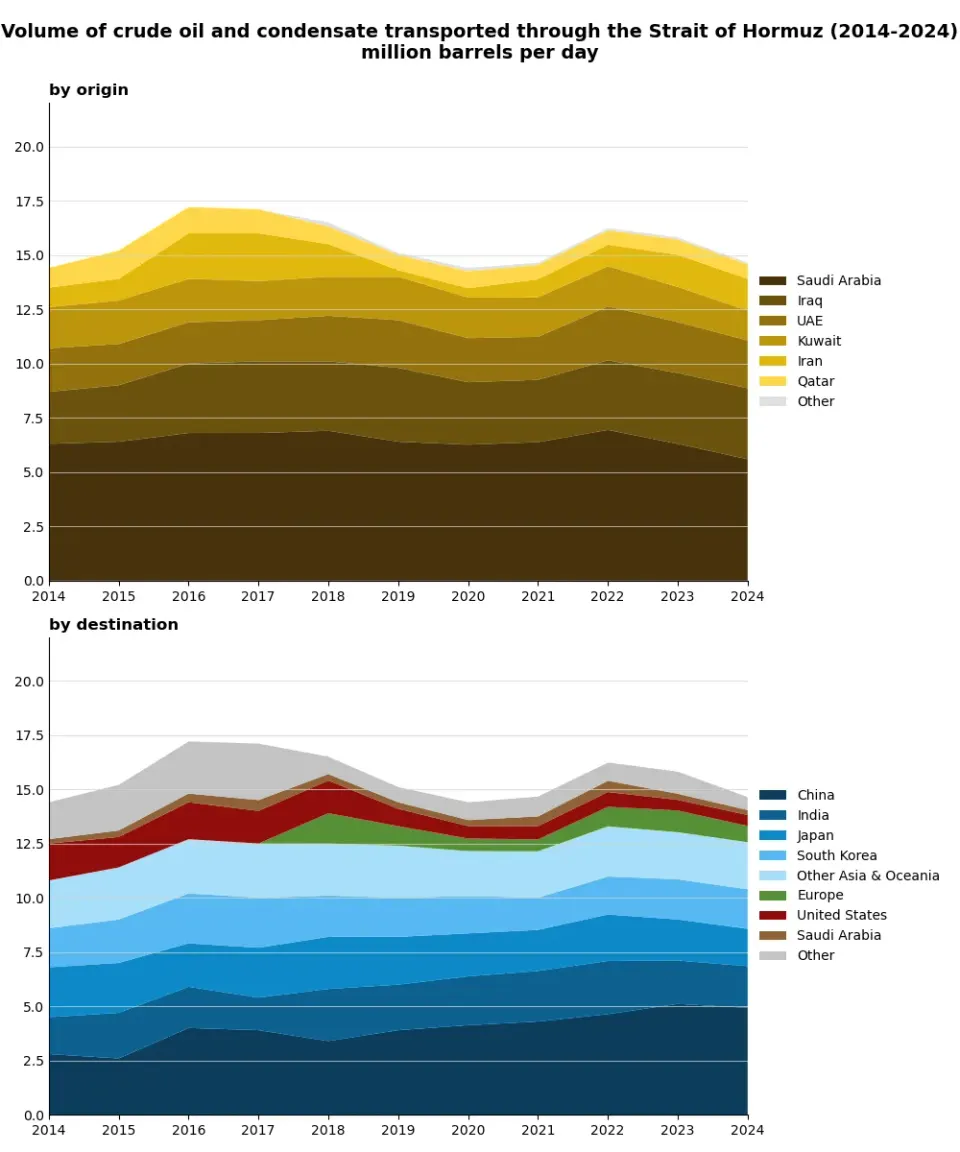
The Strait of Hormuz stands as perhaps the most prominent example of a geopolitical chokepoint in the modern world. Located between the Persian Gulf and the Gulf of Oman, this narrow waterway is the sole maritime passage from the oil-rich Persian Gulf to the open ocean. It is a critical conduit for a significant portion of the world's seaborne oil and liquefied natural gas (LNG) exports, particularly from major producers like Saudi Arabia, Iran, Iraq, Kuwait, Qatar, and the UAE. Its strategic importance cannot be overstated, as global energy markets are highly sensitive to any potential disruption in this area.
Incidents like tanker fires, military exercises, or political tensions in or around the Strait of Hormuz immediately raise global concerns. Such events can trigger sharp increases in oil prices, disrupt supply chains, and prompt international diplomatic and military responses. The recent reports of tankers igniting, as mentioned in the headline, underscore the fragility of energy security when a major chokepoint is involved in escalating crises. These incidents serve as stark reminders of how localized events in these critical passages can ripple outwards, impacting economies and security worldwide.
Control or influence over geopolitical chokepoints is a cornerstone of international power dynamics. Nations with a stake in global trade and energy security closely monitor and often seek to ensure the free passage through these areas. Conversely, state and non-state actors can leverage the strategic vulnerability of chokepoints to exert pressure, disrupt adversaries, or achieve political objectives, making them frequent flashpoints in international relations. Understanding these critical arteries of global commerce is essential for grasping contemporary geopolitical tensions.