
Nvidia Partner Megaspeed Under US Probe as Hormuz Tanker Fires Intensify Regional Risks
بازرسی آمریکا از شریک انویدیا به اتهام قاچاق تراشه؛ بحران مینهای دریایی در تنگه هرمز بالا گرفت
The US government has launched an investigation into Singapore-based Megaspeed for allegedly bypassing export controls on Nvidia AI chips to China. Meanwhile, tensions in the Strait of Hormuz reach a boiling point as the IRGC reports two more vessels struck by naval mines.
At time of publishing
USD
267,600
Toman
Gold 18K
24.66M
Toman / gram
Bitcoin
$64,876
US Dollar
Tether
269,150
Toman
The Silicon Leaks: US Probes Megaspeed Over Nvidia Exports
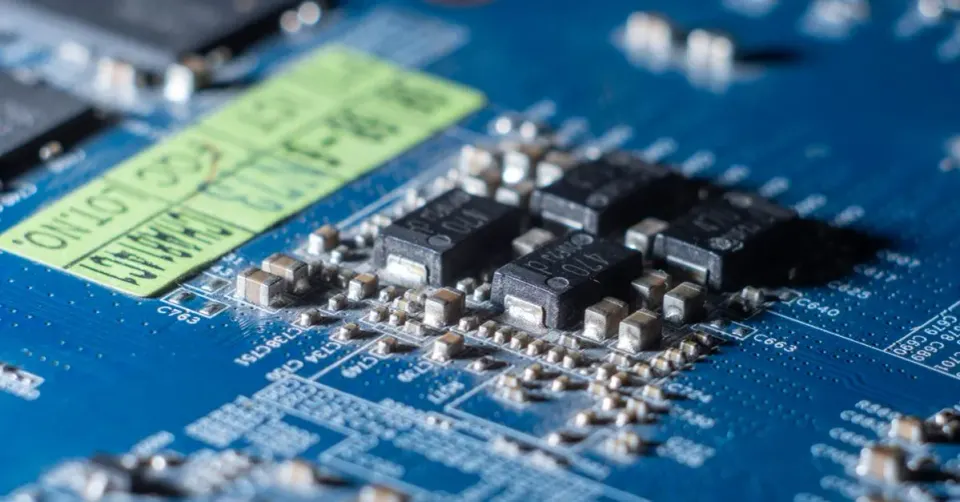
The US Department of Commerce has officially confirmed an investigation into Megaspeed, a Singapore-based technology firm and partner of Nvidia, over allegations that it facilitated the illegal transfer of high-end AI semiconductors to China. This probe marks a significant escalation in the ongoing 'chip war' between Washington and Beijing, as regulators struggle to plug the 'leaky bucket' of global supply chains. Megaspeed is suspected of acting as a middleman, acquiring advanced H100 or H200 series GPUs under the guise of regional demand in Southeast Asia, only to reroute them to Chinese entities currently blacklisted by the United States.
This development is more than just a regulatory hurdle for one firm; it signals a systemic crackdown on the third-party distributors that AI giants like Nvidia rely on to reach global markets. For investors, this creates a cloud of uncertainty over Nvidia’s secondary revenue streams and highlights the immense difficulty of enforcing technological blockades in a hyper-connected world. If the investigation proves that Megaspeed bypassed the 'computing power' restrictions recently tightened by the US, it could lead to even more draconian controls on hardware exports to Singapore, Vietnam, and Malaysia—hubs that China has increasingly used to bypass direct sanctions.
Explosions in the Strait: Naval Mines and Energy Security
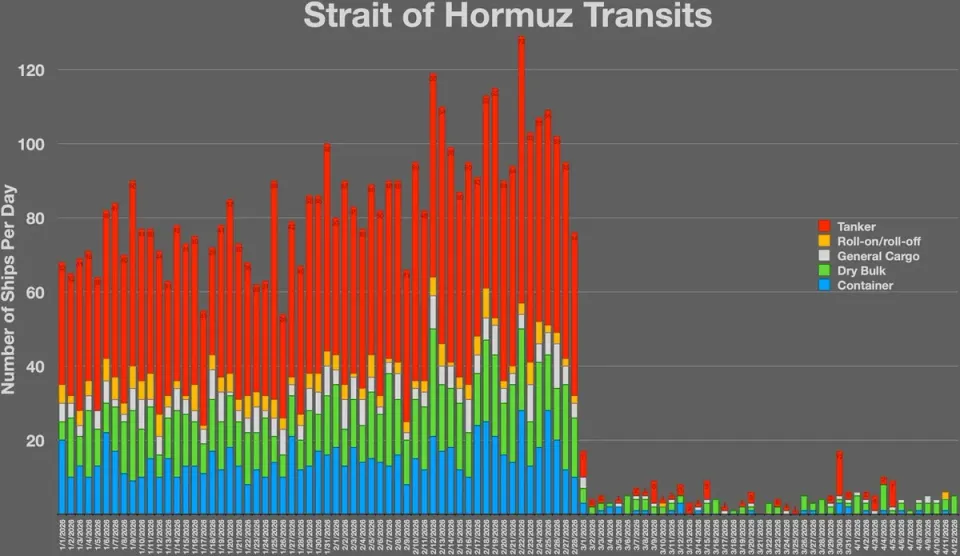
Geopolitical tensions have spiked in the Persian Gulf following an announcement by the IRGC Navy that a supertanker and a liquefied petroleum gas (LPG) carrier caught fire after striking naval mines in the Strait of Hormuz. While the identities of the vessel owners have not been fully disclosed, the incident follows a pattern of escalating maritime friction in the world's most critical oil chokepoint. The use of naval mines represents a shift from previous tactics of ship seizures, suggesting a more volatile and deniable form of kinetic engagement that directly threatens the global flow of energy.
Industry analysts warn that these 'shadow war' tactics are designed to drive up maritime insurance premiums and create a sense of permanent instability. For the Iranian domestic market, such escalations typically result in immediate currency volatility, though today's market saw a slight correction. The risk of a total blockade or a sustained mining campaign in the Strait remains a 'black swan' event that could send global oil prices into a triple-digit spiral, further complicating the global fight against inflation.
Araghchi’s Balancing Act Amid Market Fluctuations
Iranian Foreign Minister Abbas Araghchi reiterated today that Tehran remains committed to diplomacy while staying 'firm in defending national interests.' This rhetoric comes at a delicate time as the Iranian Rial shows signs of minor stabilization despite the regional chaos. In the last 24 hours, the USD/IRR exchange rate moved from 268,600 to 267,600, a decrease of 0.4%. This marginal gain for the Toman suggests that the market had already priced in a high degree of geopolitical risk, or that central bank interventions are temporarily holding the line against a broader sell-off.
However, the gold market tells a different story of underlying anxiety. Gold 18k per gram rose from 24,539,452 to 24,659,494 Toman (+0.5%), and the Emami coin edged up by 0.2% to 252,000,000 Toman. This divergence—where the currency strengthens slightly while gold continues to climb—indicates that savvy investors are still seeking safe-haven assets. Araghchi's statements are viewed by some as an attempt to project stability to foreign investors at the METAFO 2026 exhibition in Tehran, but the reality on the ground remains dictated by the physical security of trade routes and the looming shadow of US sanctions enforcement.

The Global NEET Crisis and Youth Unemployment
On the international stage, a major report by Alan Milburn has highlighted a growing crisis of youth unemployment, specifically focusing on 'NEETs' (those Not in Education, Employment, or Training). Milburn’s report warns that 'half measures will not do' to address the structural failures that have left over a million young people in Britain outside the workforce. While this is a UK-centric report, it mirrors a global trend where the rapid advancement of AI and automation is displacing traditional entry-level roles, creating a generational divide in economic opportunity.
For global markets, the persistence of high youth unemployment in developed economies signals a potential long-term drag on productivity and consumer spending. As governments scramble to reform vocational training, the 'Milburn Policies' suggest a wholesale shift in how the state interacts with the labor market. This social instability often translates into political volatility, which can indirectly affect global trade agreements and risk appetite in emerging markets. If the next generation feels locked out of the 'AI gold rush,' the resulting social friction could be as disruptive to global stability as any regional conflict.
Frequently Asked Questions
Why is the US investigating Megaspeed?
What happened in the Strait of Hormuz today?
Why did gold prices rise while the USD/IRR exchange rate fell?
What are 'NEETs' and why does the Milburn report matter?
Understanding Geopolitical Risk and its Impact on Global Supply Chains
In an increasingly interconnected world, understanding geopolitical risk is crucial for comprehending global events and their economic consequences. Geopolitical risk refers to the possibility of political events, conflicts, or international tensions disrupting the normal functioning of global systems, including trade, finance, and supply chains. These risks can stem from interstate rivalries, regional instabilities, political coups, or even cyber warfare, and their impact often reverberates far beyond the immediate geographical area.
The recent headline highlights a potent mix of such risks: the US probe into an Nvidia partner (implying technology transfer controls and sanctions) alongside intensifying regional risks in the Strait of Hormuz (a critical choke point for global energy supply). The Strait of Hormuz incidents, such as tanker fires or threats of naval mines, directly threaten the flow of oil, impacting global energy prices and supply stability. Similarly, investigations and sanctions related to AI chips, particularly concerning China, illustrate how geopolitical competition can restrict the flow of crucial technologies, forcing companies to re-evaluate their production and distribution strategies.
These geopolitical flashpoints inevitably lead to significant disruptions in global supply chains. For businesses, this translates into increased operational costs, extended delivery times, and potential shortages of essential components or raw materials. For consumers, it can mean higher prices and reduced availability of goods. Nations and corporations are increasingly responding by exploring strategies like "reshoring" (bringing production back home), "friend-shoring" (moving production to allied countries), or diversifying their supply sources to build more resilient, albeit potentially more expensive, supply networks. The interplay between these geopolitical forces and economic realities fundamentally shapes the landscape of international trade and technological advancement.
The broader implications extend to national security and economic stability. Governments often impose sanctions or export controls, as seen with AI chips, not just for economic reasons but as tools of foreign policy to achieve strategic objectives or prevent adversaries from acquiring sensitive technologies. This creates a complex web where technology, trade, and diplomacy are inextricably linked, making geopolitical risk a paramount concern for policymakers, investors, and businesses worldwide.