Tehran Alerts on Infrastructure Sabotage as Trump Inks 'Historic' Asia Trade Deal and Mozambique Trial Begins
هشدار تهران نسبت به خرابکاری در زیرساختها همزمان با قرارداد تجاری ترامپ در آسیا و آغاز محاکمه رهبر اپوزیسیون موزامبیک
Iran's Foreign Ministry warns of a 'malicious campaign' targeting national infrastructure, while President Trump signs a major tariff-free trade deal in Manila. Meanwhile, the trial of Mozambique's opposition leader signals deepening unrest in the resource-rich region.
At time of publishing
USD
267,700
Toman
Gold 18K
24.64M
Toman / gram
Bitcoin
$65,068
US Dollar
Tether
269,471
Toman
Mozambique’s Political Crisis: The Trial of Venâncio Mondlane
The political landscape of Southeast Africa is under intense scrutiny today as Venâncio Mondlane, the prominent opposition leader of Mozambique, faces trial following the deadly unrest that trailed the 2024 elections. The proceedings come at a time when the nation is still reeling from protests that resulted in hundreds of deaths, highlighting a deep-seated fracture between the ruling Frelimo party and those demanding democratic reform. Mondlane, who has become a symbol of resistance for the youth and disenfranchised, faces multiple charges that the opposition claims are politically motivated to stifle dissent in a nation increasingly vital to global liquefied natural gas (LNG) markets.
For global observers and investors, the stability of Mozambique is not merely a regional concern. The country sits on some of the world's largest untapped gas reserves, and prolonged instability could disrupt supply chains already strained by geopolitical tensions elsewhere. The trial's outcome will likely determine whether Mozambique moves toward a fragile reconciliation or descends further into a cycle of state repression and civilian revolt. This situation serves as a stark reminder of how electoral integrity remains a volatile trigger for market instability in emerging economies, often leading to sudden shifts in risk premiums for international capital.

Tehran Warns of 'Malicious Campaign' Against Infrastructure
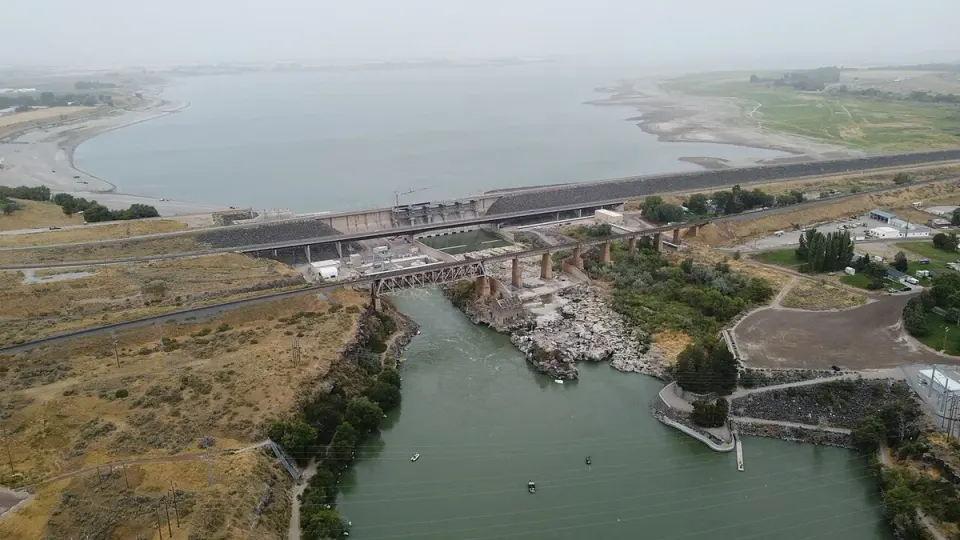
In Tehran, the atmosphere has grown increasingly tense as Foreign Ministry spokesperson Esmaeil Baqaei issued a stern warning against what he described as a "malicious campaign" designed to justify potential attacks on Iran’s civilian infrastructure. The government’s concerns center on allegations—which it flatly denies—linking civilian dams and energy facilities to secret military missile bases. According to state-affiliated media, these claims are being manufactured by external actors to provide a pretext for kinetic strikes. This rhetoric reflects a deepening anxiety within the Iranian establishment about the vulnerability of the nation's power grid, water resources, and industrial hubs amidst the ongoing shadow war with regional adversaries.
This development occurs against the backdrop of what some analysts are calling a "frozen conflict" between the US, Israel, and Iran. While large-scale conventional warfare has been avoided, the persistent threat to infrastructure keeps the Iranian economy in a state of perpetual high alert. For the average Iranian citizen, these warnings translate directly into market volatility and psychological pressure. The fear that energy facilities or ports could be targeted often leads to precautionary shifts in currency and gold holdings, as the public seeks to hedge against the possibility of a sudden disruption in essential services or a further tightening of the economic siege.
Trump’s Asia Blitz: Trade Deals and Political Shifts
President Donald Trump has landed in the Philippines, marking the start of a high-stakes 48-hour tour of Asia that has already yielded a significant diplomatic victory. In Manila, Trump signed a trade agreement with Thailand’s Prime Minister Anutin Charnvirakul, which the White House has hailed as "historic." The deal involves the total elimination of tariffs on US exports to Thailand, a move designed to rebalance trade flows and secure American market share in Southeast Asia. This aggressive trade diplomacy is part of a broader strategy to force regional partners to choose between Washington’s economic umbrella and Beijing’s growing influence, particularly as Trump prepares to meet Xi Jinping in Shenzhen.
Domestically, the US political landscape is also shifting as Democrat Mary Peltola nears a decisive victory in the Alaska Senate race, the final contest of the midterms. Peltola’s performance suggests a resilient center in American politics, even as the executive branch pushes for radical shifts in international trade and energy policy. The combination of Trump’s assertive trade maneuvers and the finalizing of congressional seats provides a clearer picture for global markets: the US is moving toward a highly transactional foreign policy where market access is traded for geopolitical loyalty. This has immediate implications for global inflation and the strength of the US dollar, which remains a dominant force in Iranian market calculations.
---
Global Energy Shifts: Critical Minerals and Sustainable Aviation
Beyond the immediate political headlines, a quieter but equally significant transformation is occurring in the global energy sector. Malaysia has signed its first critical minerals pact with France, a strategic move aimed at developing a high-value supply chain for minerals essential to the green transition. This partnership highlights the growing importance of "mineral diplomacy," where nations with rich deposits of lithium, nickel, and rare earths are leveraging their resources to secure industrial cooperation from Western powers. For countries like Iran, which also possess significant mineral wealth but remain sidelined by sanctions, these global alliances represent a missed opportunity for economic diversification.
Simultaneously, India has achieved a milestone in sustainable energy with the production of its first commercial batch of sustainable aviation fuel (SAF) at the Panipat Refinery. As the world’s largest state-owned refiners move toward greening the aviation industry, the long-term outlook for traditional crude oil demand faces new challenges. While oil prices remain the primary driver of the Iranian economy today, the accelerating global shift toward sustainable fuels and critical mineral security suggests that the window for oil-dependent economies to reform is closing faster than previously anticipated.

Market Snapshot: Toman and Gold Trends
In the local Iranian markets today, Tuesday, November 17, 2026 (26 Aban 1405), we observed a slight cooling in the foreign exchange sector. The US Dollar (USD) sell rate moved from 268,600 to 267,700 Toman, marking a decrease of 0.3%. This minor correction suggests a brief period of consolidation as traders digest the latest geopolitical warnings and Trump’s activities in Asia. Despite the slight dip in the dollar, the Tether (USDT) price remains slightly higher at 269,471 Toman, reflecting continued demand for digital assets as a liquid hedge against local banking risks.
In contrast to the currency market, gold and coins saw modest gains. The price of 18k gold per gram rose from 24,539,452 to 24,643,335 Toman (+0.4%), while the Emami coin increased from 251,500,000 to 252,000,000 Toman (+0.2%). These movements are supported by a strong global gold price, currently hovering around $3,858.90 per ounce. The divergence between a slightly weaker dollar and stronger gold indicates that local investors are prioritizing the safety of hard assets over cash, even as the immediate exchange rate volatility subsides. Bitcoin remains stable near the $65,068 mark, providing a consistent backdrop for the broader crypto-financial landscape.
Frequently Asked Questions
چرا وزارت خارجه ایران درباره سدها هشدار داده است؟
قرارداد تجاری جدید ترامپ با تایلند چه اهمیتی دارد؟
علت رشد قیمت طلا در بازار ایران با وجود کاهش دلار چیست؟
Understanding Currency Valuation and Geopolitical Impact
Currency valuation refers to the relative price of one country's currency in terms of another. It's not just an abstract economic concept; it profoundly impacts everything from the cost of imported goods and services to a nation's competitiveness in international trade. When you see headlines about a currency's daily fluctuations, it reflects the constant interplay of supply and demand for that currency in global markets, driven by a myriad of economic and political factors. A strong currency makes imports cheaper but exports more expensive, while a weak currency has the opposite effects.
Traditionally, a currency's value is influenced by fundamental economic indicators such as interest rates, inflation, economic growth, and a country's balance of payments. For instance, higher interest rates can attract foreign investment, increasing demand for the local currency and strengthening its value. Conversely, high inflation erodes purchasing power, making a currency less attractive. However, in today's interconnected world, geopolitical events often exert an equally powerful, if not more immediate, influence on currency markets.
Geopolitical factors, including international sanctions, political instability, trade disputes, and major global conflicts, can dramatically alter a currency's trajectory. Sanctions, for example, can severely restrict a country's access to international financial systems and trade routes, reducing demand for its currency and making it difficult to maintain its value. This often leads to capital flight, hyperinflation, and a significant depreciation of the local currency, forcing citizens to seek safe-haven assets like gold or stable foreign currencies, such as the US dollar, to preserve their wealth.
Therefore, when news reports touch upon infrastructure warnings, international trade deals, or the price of the US dollar against local currencies like the Toman, they are often implicitly highlighting the complex forces at play in currency valuation. Understanding these dynamics is crucial for grasping the broader economic stability of a nation and the daily financial realities faced by its citizens, as global politics increasingly dictates local economic outcomes.