Iran Missile Strikes Linked to Mysterious Dams; NSA Network Down, Canada Faces Tariff Squeeze
حملات موشکی ایران با سدهای مرموز مرتبط شد؛ شبکه NSA از کار افتاد، کانادا درگیر فشارهای تعرفه ترامپ
Airstrikes on Iranian missile sites have unexpectedly illuminated the purpose behind puzzling water projects, raising questions about environmental justifications. Meanwhile, the US National Security Agency experienced a significant network outage, impacting internal communications, as Canada grapples with the economic fallout of US tariffs on its auto industry.
At time of publishing
USD
266,700
Toman
Gold 18K
24.75M
Toman / gram
Bitcoin
$63,686
US Dollar
Tether
269,964
Toman
Iran Missile Strikes Hint at Dam Justifications
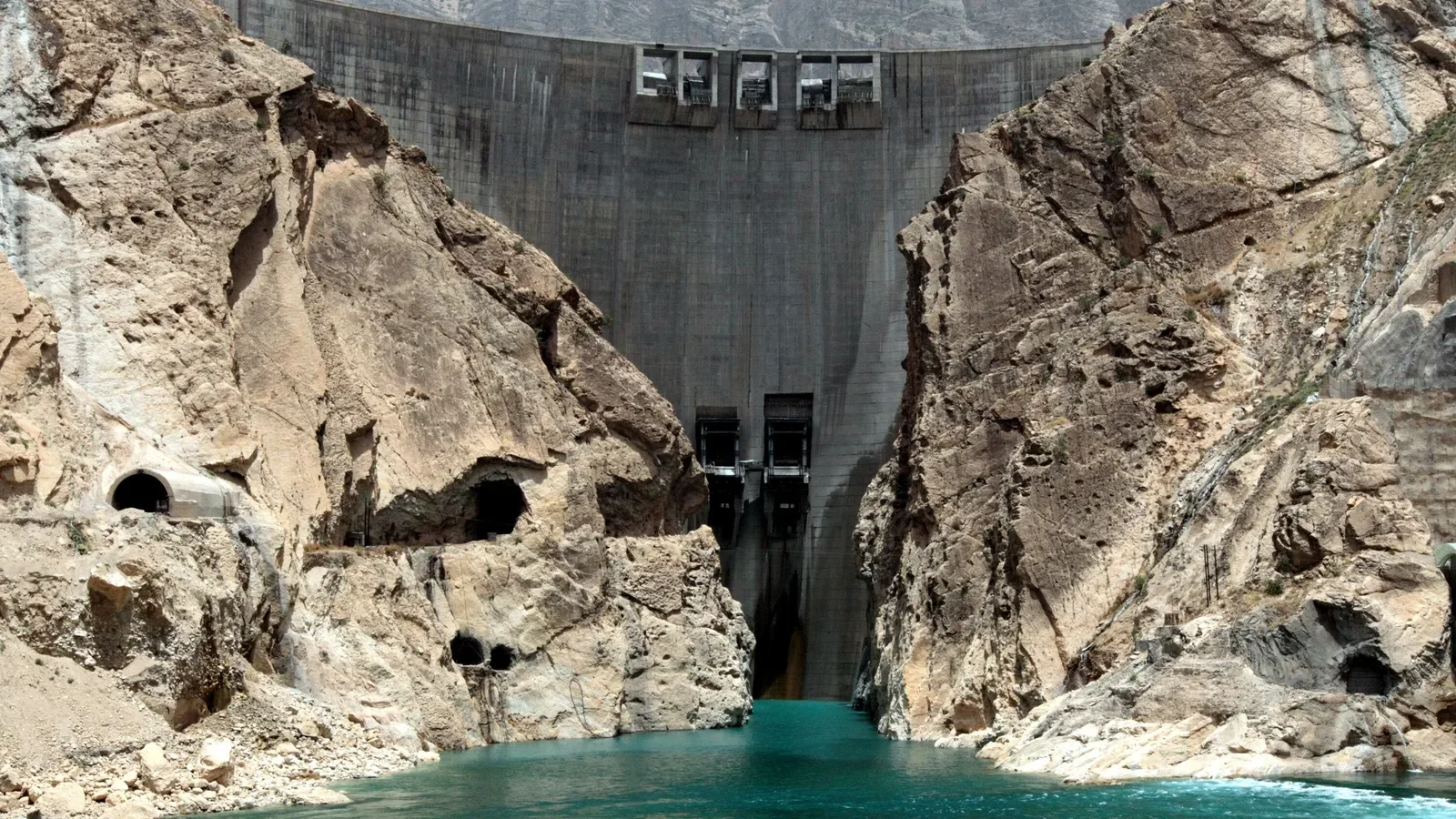
A curious connection has emerged between recent airstrikes targeting Iranian missile facilities and a series of previously inexplicable large-scale water projects within the country. Environmentalists and observers have long been baffled by the construction of numerous dams and reservoirs that seemed to lack clear economic or agricultural necessity. These projects, often massive in scale, have drawn scrutiny for their potential environmental impact, including altered river flows and ecological disruption, without apparent commensurate benefit.
The recent airstrikes, details of which remain partially obscured, appear to have inadvertently provided a potential explanation for these puzzling infrastructure endeavors. Reports suggest that the areas targeted by the strikes are in proximity to, or directly encompass, some of these large water projects. This has led to speculation that the missile sites may have been strategically located or disguised near these dams, perhaps for logistical, operational, or even defensive reasons related to the water infrastructure. The implication is that Iran's investment in these dams might not have been solely for water management, but potentially linked to its military objectives, using the vast water reservoirs as cover or support for its missile program.
This revelation carries significant weight for understanding Iran's strategic planning and resource allocation. It suggests a potential dual-use strategy for critical infrastructure, where civilian projects serve military purposes. For international observers and environmental groups, it raises serious concerns about transparency and the true drivers behind Iran's development projects. The revelation could also influence future geopolitical analyses, offering a new lens through which to view Iran's regional activities and its approach to resource utilization, potentially impacting discussions around sanctions and international cooperation. The full implications for environmental policy and regional stability are yet to be fully understood, but the link between missile sites and dams is a development that warrants close attention.
NSA Network Outage Disrupts US Intelligence Operations
The National Security Agency (NSA), a cornerstone of US intelligence gathering, experienced a significant disruption on Tuesday as its internal classified communications network, NSANet, went offline. The outage, described by some reports as a 'code yellow,' affected the agency's ability to share sensitive and top-secret intelligence among its staff, particularly at its headquarters in Fort Meade, Maryland. This incident highlights the critical reliance on secure and functioning digital infrastructure for national security operations and the potentially cascading effects of even temporary technical failures.
Initial reports from The New York Times, CNN, and The Wall Street Journal suggest the outage was triggered by a software update intended to patch the system, a common cause of technical glitches in complex networks. While the NSA has indicated the downtime would be temporary, the disruption sent ripples of concern, leading to staggered work shifts for staff at the Maryland facility. The failure of NSANet underscores the vulnerabilities inherent in maintaining vast, interconnected digital systems, even those designed for the highest levels of security. The incident serves as a stark reminder that even sophisticated technological defenses can be susceptible to internal system failures.
The ramifications of this outage extend beyond immediate operational hindrances. A prolonged or repeated failure of such a critical communication channel could have serious implications for intelligence sharing with allies and the timely processing of sensitive information. In the broader context of cybersecurity and national defense, this event prompts a re-evaluation of system resilience and contingency planning. For the public, it serves as a subtle reminder of the complex technological underpinnings of national security and the constant challenges faced in maintaining the integrity of these systems against both external threats and internal technical issues. The event also raises questions about the security protocols surrounding software updates for highly sensitive government networks.
Canada's Auto Industry Squeezed by US Tariffs, Eyes China
Canada's automotive sector is facing increasing pressure due to ongoing trade disputes and tariffs imposed by the United States. Historically, the Canadian car industry has been deeply integrated with its American counterpart, relying heavily on cross-border trade for parts, manufacturing, and sales. The imposition of tariffs by the Trump administration has disrupted these established supply chains and increased the cost of vehicles, making Canadian exports less competitive in the crucial US market and creating significant uncertainty for manufacturers, workers, and consumers alike.
In response to this economic squeeze, Canadian officials, including former Bank of England Governor Mark Carney, are reportedly exploring new avenues for growth, with a notable focus on China. The suggestion has been made to potentially pivot towards Chinese automakers, either as replacement partners or as new markets for Canadian-made vehicles, as a way to offset the losses incurred from reduced trade with the US. This strategic shift represents a significant reorientation of Canada's automotive trade policy, moving away from its traditional North American focus towards Asia.
However, this proposed pivot to China is not without its challenges. Integrating Chinese automakers into the Canadian automotive landscape, or significantly increasing exports to China, is a complex undertaking. Factors such as differing automotive standards, market access regulations, and the sheer scale of the Chinese market present considerable hurdles. Furthermore, relying on China as a counterbalance to US trade pressure introduces its own set of geopolitical and economic risks. While it offers a potential lifeline for the struggling Canadian auto industry, the long-term viability and implications of such a strategic realignment will require careful navigation and considerable investment. The move also highlights the growing global trade realignments occurring under increased protectionism.
Investor Unease Grows as Nvidia's Volatility Sparks Broader Market Fears
Recent market jitters, particularly surrounding the tech giant Nvidia, are causing a ripple of anxiety among investors, prompting questions about whether it's time to divest from stocks. Nvidia, a key player in the artificial intelligence and semiconductor industries, has experienced significant volatility, leading some market participants to question the sustainability of current tech valuations and the broader market's resilience. This unease is further amplified by broader market indicators, such as the strengthening of the Japanese Yen against the Australian Dollar, which often signals a shift away from riskier assets towards safer havens.
The sentiment is particularly palpable in regions like Florida, where observers note that the real estate market might be presenting more stable or attractive opportunities compared to the turbulent stock market. This suggests a potential flight to tangible assets or less volatile investment vehicles as investors seek to de-risk their portfolios. The fear isn't isolated to Nvidia; it reflects a wider concern that the tech sector, which has driven much of the market's growth, may be due for a correction, and that this could have broader economic consequences.
This period of uncertainty underscores the delicate balance of the current economic environment. While technology continues to promise innovation and growth, its inherent volatility, coupled with geopolitical and macroeconomic pressures, creates a challenging landscape for investors. The question of whether to sell stocks is not just about Nvidia, but about assessing the overall health and trajectory of the global economy and identifying where best to preserve and grow capital amidst shifting market dynamics. This sentiment is further complicated by personal financial situations, as illustrated by a separate market story concerning a brother's financial mismanagement of an ailing mother's affairs, highlighting the deeply personal stakes involved in financial decision-making during uncertain times.
Frequently Asked Questions
What is the connection between the airstrikes in Iran and the dams?
What happened with the NSA network outage?
How are US tariffs affecting Canada's car industry?
Why are investors concerned about Nvidia?
What is Canada's proposed solution to the tariff pressure?
Understanding Tariffs: How Trade Taxes Shape Industries and Markets
Tariffs are taxes imposed by a government on imported goods, and they serve multiple policy goals. At their core, tariffs raise the price of foreign products, making domestically produced alternatives more competitive. Governments may use them to protect nascent industries, retaliate against unfair trade practices, or generate revenue. The rate of a tariff can be a flat amount per unit or a percentage of the goods' declared value, and it is typically collected at the border before the product enters the domestic market.
In the automotive sector, tariffs can have outsized effects because the industry relies on a complex, cross‑border supply chain. When the United States announced new tariffs on certain Canadian auto parts, manufacturers faced higher input costs that either squeezed profit margins or forced price hikes for consumers. Because many car models are assembled from components sourced in multiple countries, a tariff on a single part—such as steel, aluminum, or electronic modules—can ripple through the entire production process, prompting firms to rethink sourcing strategies or even relocate factories.
Beyond the immediate cost impact, tariffs influence investor sentiment and stock market dynamics. Equity analysts monitor trade policy news closely; a sudden tariff increase can trigger a risk‑off reaction, driving down the shares of affected companies and related sectors. For instance, Nvidia’s stock often reacts to broader geopolitical risk premiums, as investors weigh the potential for supply‑chain disruptions in high‑tech manufacturing that depends on stable trade flows.
While tariffs can protect jobs in the short term, economists warn about longer‑term inefficiencies. Higher prices for consumers, reduced export competitiveness, and the potential for retaliatory measures can offset any gains. The World Trade Organization (WTO) tracks global tariff averages, which have been gradually declining since the 1990s, reflecting a general trend toward freer trade. Understanding the mechanics of tariffs helps policymakers, business leaders, and everyday citizens gauge the trade‑offs inherent in protectionist versus liberal trade approaches.
For anyone watching the news about Iran’s missile strikes, NSA outages, or Canadian auto tariffs, the common thread is how geopolitical events translate into economic policy tools—like tariffs—that shape markets, influence corporate strategies, and affect the everyday cost of goods.