Tehran Issues Regional Warning as EU Backtracks on Energy Rules Amid Global Supply Crisis
هشدار صریح تهران به همسایگان؛ عقبنشینی اروپا از قوانین انرژی در پی بحران عرضه
Iran warns regional neighbors against hosting US strikes as tensions simmer, while the EU delays critical methane regulations to secure energy supplies. Meanwhile, Bitcoin faces pressure at $63,500 amid persistent rate hike fears and a massive $1.5 trillion valuation for AI giant Anthropic.
At time of publishing
USD
266,300
Toman
Gold 18K
24.31M
Toman / gram
Bitcoin
$63,552
US Dollar
Tether
270,312
Toman
Tehran Draws Red Lines for Regional Neighbors
At 11:00 Tehran time on Thursday, November 19, 2026, the Iranian Foreign Ministry issued a stern directive to neighboring countries, urging them to prevent the United States from using their territory or military bases for operations against Iran. This development, reported by state media, frames the Iranian Armed Forces' recent activities as an exercise of the country’s "inherent right to self-defense." The rhetoric highlights a growing friction in regional diplomacy, as Tehran seeks to neutralize the tactical advantage of US forward-operating bases in the Persian Gulf and broader Middle East. This diplomatic push is not occurring in a vacuum; it follows a year that Iranian officials, including Ambassador Gholamhossein Darzi at the United Nations, describe as a period of unprecedented military and economic pressure designed to incite domestic unrest. For the average Iranian reader, these geopolitical maneuvers have a direct, if stagnant, impact on the local economy. The currency market has responded with a tense stability; the USD sell rate remains unchanged at 266,300 Toman (+0.0%), reflecting a market that has already priced in high levels of regional risk but remains wary of any sudden escalation. The Foreign Ministry's insistence on regional neutrality is a clear attempt to shift the cost of conflict onto its neighbors, potentially complicating trade relations and maritime security in the Strait of Hormuz. As long as these warnings remain verbal, the market appears to be holding its breath, waiting for a catalyst that could either break the current deadlock or push the Rial into another tailspin.

EU Energy Pragmatism Amid Mideast Turmoil
In a significant policy reversal, the European Union has agreed to delay its stringent methane emission regulations by two years. This decision comes under intense pressure from major oil and gas suppliers, particularly the United States, and stems from acute fears over energy supply security. The ongoing conflict involving Israel, the US, and Iran has severely disrupted traditional energy routes, leading European importers to warn that they cannot secure enough compliant fuel to meet the original deadlines. By pushing these rules to 2028, the EU is effectively prioritizing immediate heating and industrial needs over its long-term climate goals, a move that underscores the sheer scale of the current global energy crisis. This shift in European policy has kept global oil prices relatively steady despite fears of a supply glut elsewhere. Brent crude is currently trading around $92.01 per barrel, as the threat to tankers in the Strait of Hormuz offsets concerns about slowing demand. For the Iranian economy, which remains heavily reliant on energy exports despite sanctions, any disruption in global supply chains or changes in Western regulatory frameworks creates a volatile environment for shadow-market pricing. The delay in EU rules suggests that the demand for fossil fuels—regardless of their environmental footprint—will remain robust as long as the Middle East remains a theater of active conflict, providing a narrow but essential lifeline for energy-dependent economies.
Market Jitters: Bitcoin Slumps while AI Reaches New Heights
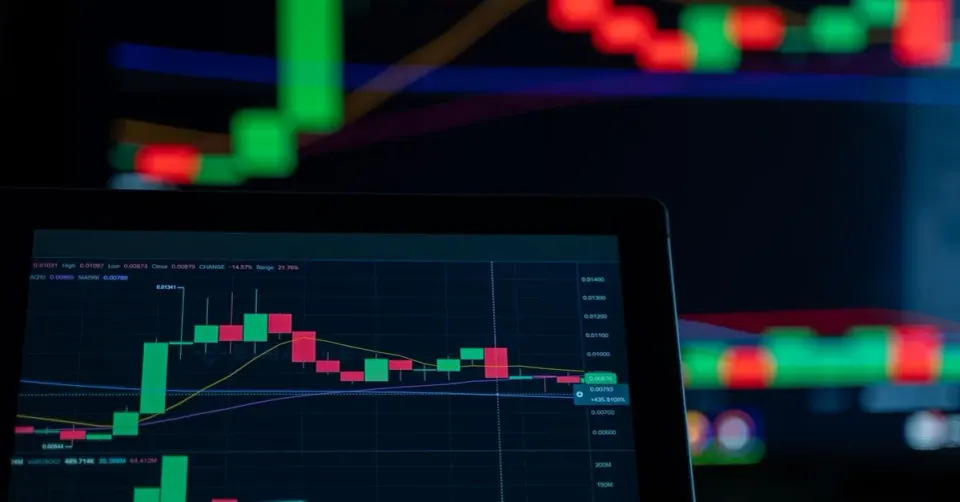
In the financial markets, the mood is one of cautious retreat. Bitcoin has slipped to $63,552, failing to find relief as investors remain spooked by the prospect of further interest rate hikes. This downward pressure on crypto assets is mirrored in the domestic Iranian gold market, where Gold 18k per gram dropped from 24,470,197 to 24,308,601 Toman, a decrease of 0.7%. Similarly, the Emami coin fell by 0.4%, moving from 251,000,000 to 250,000,000 Toman. These movements suggest a flight to liquidity or a temporary cooling of local inflation hedges as the global dollar strength exerts its influence over both digital and physical assets. Contrastingly, the technology sector is witnessing a historic milestone with the AI giant Anthropic being valued at a staggering $1.5 trillion ahead of its stock market debut. This valuation places the Claude chatbot creator among the most valuable entities on the planet, highlighting a massive divergence between the struggling traditional and crypto markets and the booming AI industry. As world leaders, including Putin, Xi, and Trump, gather for the APEC summit to discuss the intersection of AI, energy, and the war in Ukraine, it is clear that the global economy is being reshaped by two competing forces: the immediate physical risks of regional warfare and the long-term transformative potential of artificial intelligence. For investors, the challenge remains navigating this high-stakes environment where a single diplomatic misstep or a technological breakthrough can shift billions in capital overnight.
Frequently Asked Questions
چرا ایران به کشورهای همسایه هشدار نظامی داده است؟
دلیل عقبنشینی اتحادیه اروپا از قوانین متان چیست؟
وضعیت بازار طلا و سکه در ۲۸ آبان ۱۴۰۵ چگونه است؟
ارزشگذاری ۱.۵ تریلیون دلاری Anthropic چه معنایی برای بازار دارد؟
The Strategic Importance of the Strait of Hormuz
The Strait of Hormuz is a narrow waterway that connects the Persian Gulf with the Gulf of Oman and the open ocean. At just about 21 nautical miles (39 km) wide at its narrowest point, it serves as a natural bottleneck for maritime traffic. Despite its modest size, roughly one‑fifth of the world’s petroleum—about 20% of global oil consumption and a similar share of liquefied natural gas—passes through the strait each day, making it one of the most critical chokepoints in international energy trade.
Because the strait sits between Iran and the United Arab Emirates, any geopolitical tension in the region instantly raises the specter of a disruption. Historical incidents, such as Iran’s 2019 seizure of a tanker and its 2020 threats to close the passage, have shown how quickly the risk of a blockage can translate into sharp spikes in oil prices. Market participants therefore monitor naval movements, diplomatic statements, and even satellite imagery to gauge the likelihood of a closure or a temporary slowdown.
The strategic significance of the Hormuz corridor extends beyond price volatility. A prolonged shutdown would force oil‑producing nations to reroute shipments around the Cape of Good Hope, adding thousands of miles and weeks of transit time, which would strain global supply chains and increase shipping costs. Countries heavily dependent on Gulf oil—such as Japan, South Korea, and many European states—maintain contingency plans, including strategic petroleum reserves and diversified sourcing, to mitigate the impact of a potential disruption.
In response to the threat, the United States and its allies maintain a naval presence in the region, conducting regular freedom‑of‑navigation operations to deter interference. Simultaneously, Iran has emphasized the strait’s importance to its own export revenues, arguing that any attempt to block it would be illegal under international law. This tug‑of‑war creates a delicate balance where diplomatic engagement, military readiness, and energy market dynamics intersect.
Understanding the Strait of Hormuz’s role helps explain why regional warnings—like Tehran’s recent alert—can reverberate through global markets, influencing everything from EU energy policy debates to cryptocurrency price swings. The chokepoint’s inherent vulnerability underscores the broader lesson that geography still shapes economics in the 21st century.
Topics
Related Articles