Hormuz Under Fire: The Great Energy Realignment and the Mining of the Strait
تنگه هرمز در محاصره مینها؛ شوک بزرگ آژانس بینالمللی انرژی به بازار جهانی
As the International Energy Agency warns of the largest threat to energy security in history, three tankers catch fire in the Strait of Hormuz after striking naval mines. Global energy markets are bracing for a permanent shift in how the world powers itself.
At time of publishing
USD
266,300
Toman
Gold 18K
24.44M
Toman / gram
Bitcoin
$63,269
US Dollar
Tether
270,312
Toman
Market Open — Thursday, November 19, 2026
Good morning. Today, Thursday, November 19, 2026, the Iranian markets are opening with a heavy air of anticipation following overnight escalations in the Persian Gulf. Despite the geopolitical noise, the US Dollar (USD/IRR) remains remarkably steady at 266,300 Toman for selling and 264,724 for buying, showing a 0.0% change over the last 24 hours. This stability suggests that local market makers are currently in a 'wait-and-see' mode, perhaps waiting for more concrete news regarding the shipping lanes before adjusting liquidity.
In the gold markets, we see a slight cooling. Gold 18k per gram is trading at 24,435,569 Toman, a marginal decrease of 0.1% from yesterday's price of 24,470,197. The Emami coin remains unchanged at 251,000,000 Toman. Meanwhile, in the digital asset space, Bitcoin is hovering at $63,269, as global investors weigh the risks of a Middle Eastern energy shock against the backdrop of a recovering crypto 'value zone.'
The Great Energy Realignment: IEA’s Historic Warning
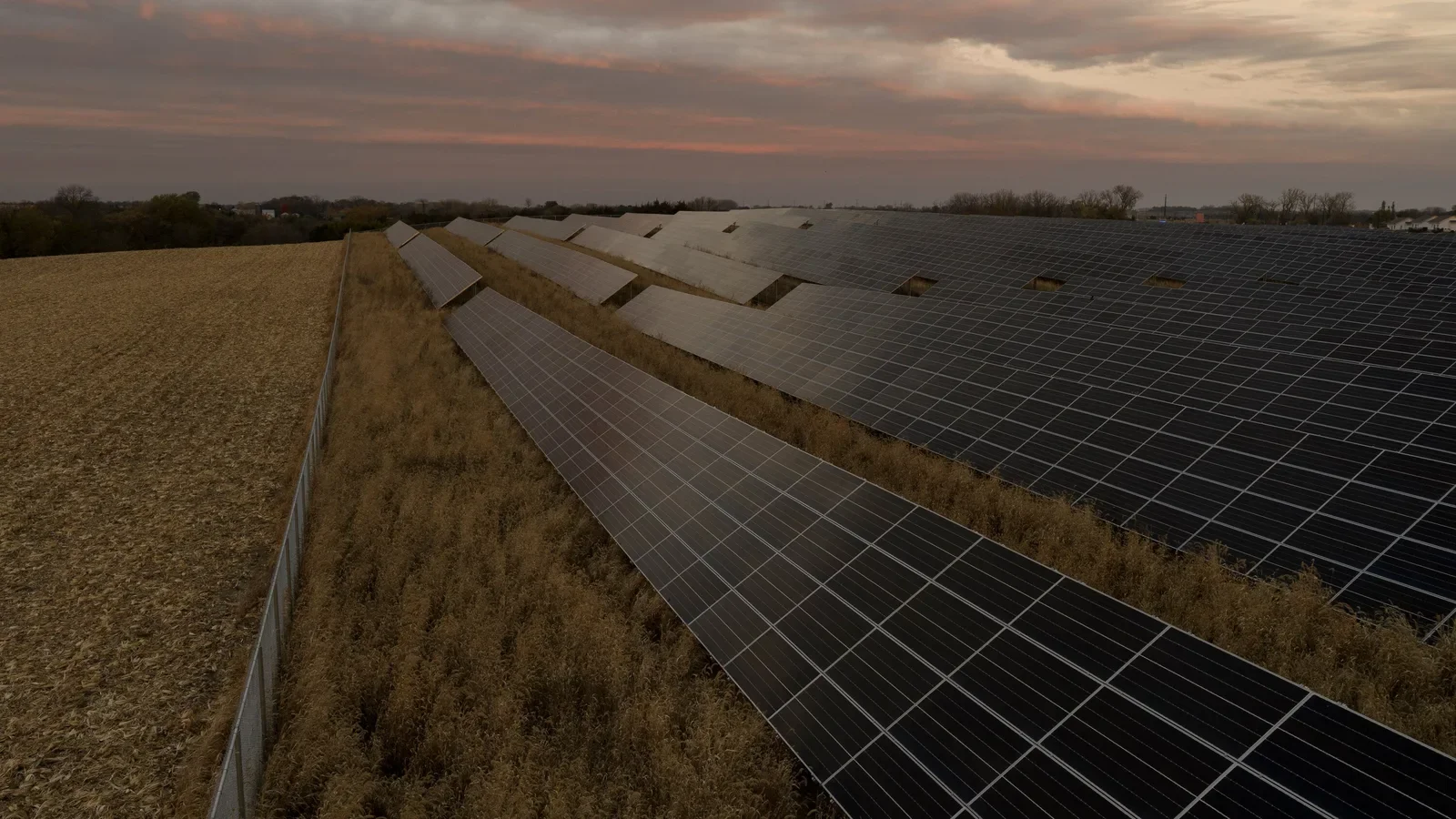
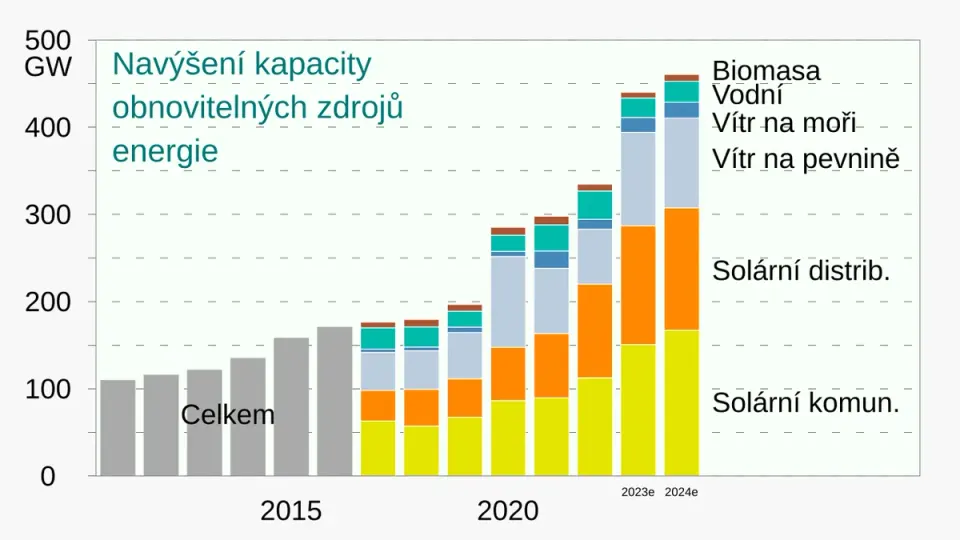
The International Energy Agency (IEA) has released its most sobering analysis to date, stating that the ongoing crisis in the Middle East—triggered by the strikes on Iran earlier this year—now poses the "largest threat" to global energy security in history. According to the report, the blockade of the Strait of Hormuz is no longer a theoretical risk but a daily reality that is fundamentally rewriting the global energy order. The IEA notes that while the immediate impact is a painful oil shock, the long-term consequence will be an aggressive, forced acceleration toward alternative power sources as nations scramble to decouple from volatile fossil fuel routes.
This shift is not just about environmental policy; it is about national survival for major economies. The report highlights that consumers are currently bearing the brunt of these disruptions, with shipping costs and insurance premiums for tankers reaching record highs. For the Iranian reader, this means that while the price of oil remains high, the difficulty of moving that oil and the global resolve to find alternatives to Middle Eastern crude have never been stronger. The 'Energy Order' that has defined the last century is being dismantled in real-time.
Chaos in the Strait: Tankers Strike Mines
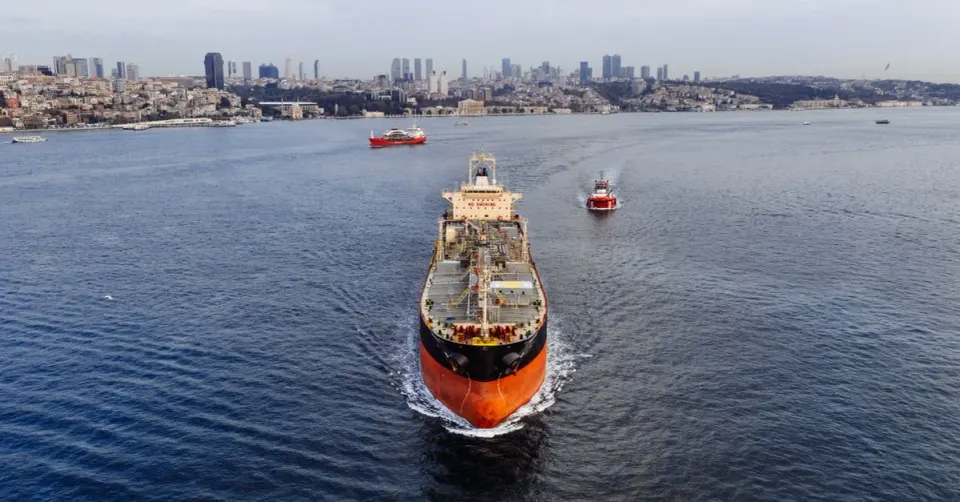
In a dramatic escalation overnight, the Iranian Army Navy reported that three oil tankers caught fire in the eastern part of the Strait of Hormuz. The cause: striking naval mines. According to official statements from Tehran, these vessels were in violation of maritime regulations, though the specific nature of these violations remains a point of intense international debate. This incident marks a significant transition from a diplomatic standoff to a kinetic conflict affecting commercial shipping, effectively turning one of the world's most vital maritime chokepoints into a minefield.
The presence of naval mines in the Strait of Hormuz is the ultimate nightmare scenario for global logistics. Unlike a conventional naval blockade, mines create a persistent and invisible threat that can paralyze shipping for weeks, even after hostilities cease. For the global economy, this means that the risk premium on every barrel of oil passing through the region has just skyrocketed. Insurance companies are likely to suspend coverage for the area entirely, which could lead to a total halt of traffic, further tightening the global supply and putting immense pressure on the Toman’s future stability as trade revenues are threatened.
Diplomatic Deep Freeze: Baqaei Snubs New York Times
On the diplomatic front, the divide between Tehran and the West continues to widen. Foreign Ministry spokesperson Esmaeil Baqaei has officially declined an interview invitation from the New York Times. The refusal was framed as a protest against what Tehran calls "unprofessional" and "baseless claims" made by the American newspaper regarding Iran's regional activities. This move signals a total breakdown in informal communication channels that are often used to de-escalate tensions during times of high military friction.
When official spokespeople stop talking to major international media outlets, it usually indicates a shift toward a more hardline, isolationist stance. For Iranians, this diplomatic 'radio silence' is a precursor to further economic isolation. Without a channel for narrative management or negotiation, the likelihood of new, more stringent sanctions or further military posturing increases. This lack of dialogue is precisely what the markets fear most, as it removes the possibility of a 'diplomatic surprise' that could strengthen the currency or ease the current geopolitical pressure.

Frequently Asked Questions
چرا قیمت دلار با وجود خبر مینگذاری در تنگه هرمز جهش نکرد؟
تأثیر برخورد نفتکشها با مین بر اقتصاد ایران چیست؟
منظور آژانس بینالمللی انرژی از 'بزرگترین تهدید تاریخ' چیست؟
Strategic Chokepoints: Why the Strait of Hormuz Shapes Global Energy Markets
The Strait of Hormuz is one of the world’s most critical maritime chokepoints – a narrow waterway that funnels roughly 20% of daily global oil shipments through a span of only 21 nautical miles. Because the bulk of the world’s petroleum supply passes through this pinch point, any disruption—whether from naval mines, tanker fires, or geopolitical tension—can instantly ripple through oil prices, exchange rates, and even the fiscal health of oil‑dependent economies.
When a chokepoint is threatened, the International Energy Agency (IEA) typically issues an “oil market disruption” alert, warning that supply shortfalls will push benchmark prices higher. The IEA’s Oil Market Report tracks these dynamics, showing how a 10% reduction in flow through Hormuz can translate into a $10‑$15 per barrel spike in Brent crude. Such price shocks feed directly into national currencies, especially in countries like Iran where the rial (IRR) is already volatile, amplifying inflation and eroding purchasing power.
Beyond price volatility, the strategic importance of Hormuz also influences military and economic policy. Nations with large oil export revenues—Saudi Arabia, the United Arab Emirates, and Russia—maintain naval presences to safeguard the passage, while adversaries may deploy naval mines or conduct asymmetric attacks to leverage the chokepoint for political gain. The resulting “war economy” can see governments reallocating resources toward defense, subsidizing fuel, or imposing price controls, all of which reshape domestic economic structures.
Understanding the mechanics of a chokepoint helps explain why a single incident—like an oil tanker fire or a mined vessel—can trigger a cascade of economic effects far beyond the immediate region. It underscores the interconnectedness of geopolitics, energy logistics, and macroeconomic stability, reminding policymakers and investors alike that security of maritime routes is as vital as the oil beneath the sea.
Topics
Related Articles