
Iran Slams 'Double Standards' on Chemical Weapons, FBI Hacked, Global Climate Deal Stalls Amid Market Drops
ایران اتهامات تسلیحات شیمیایی را «استاندارد دوگانه» خواند؛ هک افبیآی و توقف مذاکرات اقلیمی جهانی همزمان با کاهش بازارها
Iran's Deputy Foreign Minister criticized countries accusing Tehran of chemical weapon development, citing their past support for Saddam Hussein. Simultaneously, the FBI is investigating a major hack of its criminal database, while global climate talks at COP31 struggle to reach a consensus. These geopolitical and cybersecurity challenges unfold as Iranian markets see significant drops in USD, gold, and Emami coin prices.
At time of publishing
USD
269,000
Toman
Gold 18K
22.95M
Toman / gram
Bitcoin
$59,866
US Dollar
Tether
271,269
Toman
Iran Accuses West of Double Standards on Chemical Weapons
Iran's Deputy Foreign Minister for Legal and International Affairs, Kazem Gharibabadi, has strongly criticized what he described as the "double standards" of certain countries accusing Tehran of seeking to develop chemical weapons. Gharibabadi highlighted that these very nations had previously supplied Saddam Hussein's regime with chemical weapons during the Iran-Iraq war, a conflict that inflicted immense suffering on the Iranian populace. This diplomatic broadside comes amidst ongoing international scrutiny over Iran's military and nuclear programs, which Tehran consistently asserts are for peaceful and defensive purposes.
This pointed accusation serves as a strategic counter-narrative by Iran, aiming to expose perceived hypocrisy within the international community. By recalling the historical context of Saddam's chemical attacks and the West's alleged complicity, Iran seeks to delegitimize current accusations and rally domestic and regional support against what it frames as biased pressure. Such rhetoric complicates diplomatic efforts and intensifies the existing climate of distrust between Iran and Western powers, making constructive engagement on proliferation issues increasingly challenging. For the Iranian public, it reinforces a narrative of external pressure and unjust scrutiny, potentially bolstering nationalistic sentiment in the face of ongoing sanctions and international isolation.
FBI Investigates Apparent Hack of Criminal Database
The Federal Bureau of Investigation (FBI) is reportedly investigating a significant security breach involving its National Crime Information Center (NCIC) database. This critical system serves as a central hub for federal, state, and local law enforcement agencies across the United States to share sensitive criminal justice information, including data on wanted persons, criminal histories, and stolen property. An apparent hack of such a vital network poses a severe threat to national security and law enforcement operations, potentially compromising the integrity of countless investigations.
A breach of the NCIC database could have far-reaching and grave consequences. It risks exposing confidential informant identities, revealing details of ongoing investigations, and potentially allowing malicious actors to manipulate or delete critical law enforcement data. The investigation will focus on determining the extent of the compromise, identifying vulnerabilities, and tracing the perpetrators, who could range from state-sponsored actors to sophisticated criminal groups. This incident underscores the escalating global threat of cyber warfare and the persistent targeting of critical government infrastructure, highlighting the urgent need for enhanced cybersecurity measures across all sectors to protect sensitive national data.

Global Climate Talks Stall at COP31 Over Fossil Fuels
Global climate negotiations at COP31 have extended beyond their scheduled deadline, as countries continue to grapple with fundamental disagreements over a new international climate deal. A major point of contention arose from an initial draft agreement that conspicuously omitted any explicit mention of phasing out or reducing fossil fuels, drawing sharp criticism from numerous nations, particularly the European Union, and environmental advocacy groups. Critics warned that such an omission would undermine the very purpose of the summit and render any agreement ineffective in addressing the climate crisis.
The struggle to reach consensus highlights the deep divisions among nations regarding economic priorities, energy security, and environmental commitments. Developing nations often argue for their right to continue using fossil fuels for economic growth, while developed countries push for more aggressive decarbonization targets. The outcome of these prolonged negotiations will have profound implications for global energy policies, trade, and investment flows into renewable technologies. A failure to secure a robust agreement could lead to continued reliance on carbon-intensive industries, exacerbating climate change impacts and potentially triggering long-term economic instability through increased natural disasters and resource scarcity.
UK Accelerates Nuclear Power Development with Regulatory Overhaul
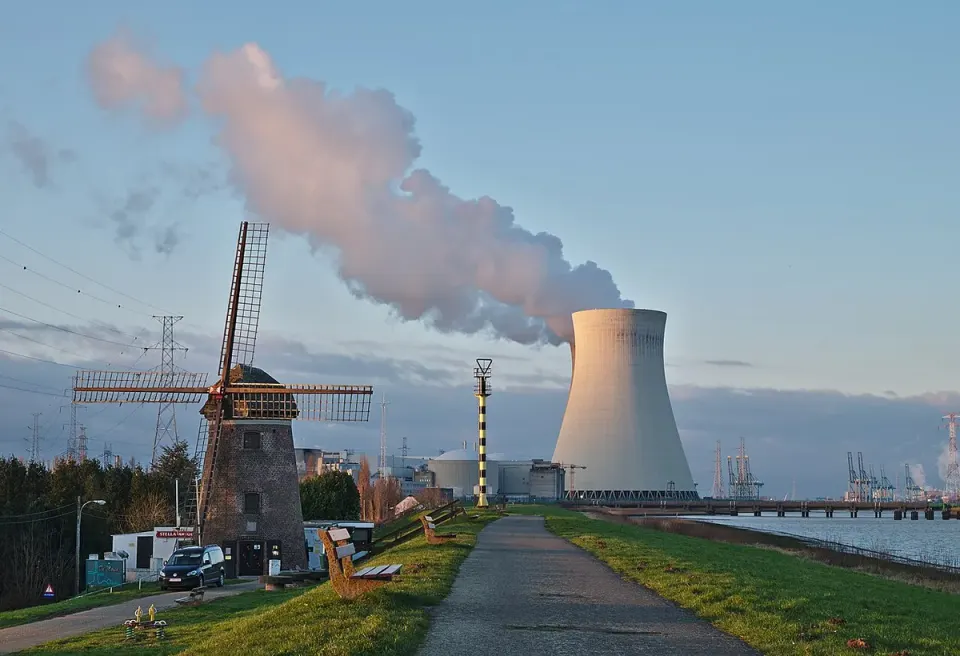
The United Kingdom is moving swiftly to rewrite its nuclear energy regulations, with a stated goal of completing the overhaul by 2027. This ambitious initiative is a cornerstone of the UK government's broader green transition strategy, aiming to significantly accelerate the development and deployment of new nuclear power plants. The plan seeks to streamline the complex bureaucratic processes traditionally associated with nuclear projects, thereby enabling faster construction and integration into the national grid.
This strategic pivot towards nuclear energy is driven by the UK's dual objectives of achieving ambitious decarbonization targets and enhancing national energy security. By diversifying its energy mix beyond intermittent renewables and imported fossil fuels, the UK hopes to ensure a stable and reliable power supply while drastically reducing carbon emissions. The regulatory changes are expected to attract substantial private investment into the nuclear sector, fostering technological innovation and creating numerous high-skilled jobs. Globally, this move signals a growing re-evaluation of nuclear power as a crucial, low-carbon component of future energy landscapes, potentially influencing other nations to reconsider their own nuclear energy policies.
Markets Signal Caution as Tech Stocks and Iranian Currencies Drop
In the global markets, a cautionary note has been sounded regarding seemingly attractive valuations in the semiconductor memory sector. Analysts are warning that cheap valuation multiples for stocks like Micron and Sandisk, often perceived as bargains, could actually be a "red flag," historically indicating peak pricing levels just before a market correction. This counter-intuitive signal suggests that despite appearances, the sector might be poised for a downturn, reflecting underlying cyclical pressures in the tech industry.
This analytical warning could dampen investor enthusiasm for tech stocks, potentially leading to broader market volatility. Meanwhile, the Iranian market has experienced significant downward movement in key indicators over the past 24 hours. The USD saw a notable decrease against the Toman, moving from 272,900 to 269,000, representing a -1.4% change. Gold 18k/gram also declined, from 23,357,495 to 22,946,581, a -1.8% drop. Most significantly, the Emami coin experienced a sharp fall, from 250,000,000 to 239,500,000, marking a substantial -4.2% decrease. These shifts reflect a complex interplay of internal economic pressures, regional geopolitical uncertainties, and global market sentiments, directly impacting the purchasing power and investment outlook for Iranian citizens.

Watch
Countries race to secure Cop31 deal • FRANCE 24 English
FRANCE 24 English
Frequently Asked Questions
What historical context is Iran referencing regarding chemical weapons accusations?
What is the significance of the FBI's NCIC database, which is reportedly hacked?
Why are COP31 climate talks struggling to reach a deal?
How does the UK plan to accelerate its nuclear power development?
What were the key movements in the Iranian market over the last 24 hours?
Economic Sanctions: How They Depreciate Currencies and Fuel Inflation
Economic sanctions are a powerful tool in international relations, wielded by nations or international bodies to pressure target countries into changing their policies or behavior. These measures typically involve restricting trade, finance, and investment, aiming to inflict economic pain without resorting to military force. By limiting a country's access to global markets, technology, and financial systems, sanctions seek to disrupt its economic stability and compel compliance with international norms or demands. The ripple effects of such restrictions can be far-reaching, impacting everything from government revenue to the daily lives of citizens.
One of the most immediate and visible impacts of economic sanctions is the depreciation of a country's national currency. When a nation faces sanctions, its ability to export goods and services is curtailed, leading to a significant reduction in foreign exchange earnings. Simultaneously, accessing international banking systems becomes challenging, making it difficult to receive foreign investment or even process payments. This scarcity of foreign currency, combined with increased demand for it (as businesses and individuals try to secure stable assets), drives down the value of the local currency against major international currencies. For instance, the Iranian Toman's exchange rate has often been a direct reflection of the severity of international sanctions.
The depreciation of the national currency, in turn, fuels inflation. As the local currency weakens, imported goods — from essential foodstuffs and medicines to industrial components and consumer electronics — become significantly more expensive. This phenomenon, known as 'imported inflation,' directly raises the cost of living. Moreover, sanctions can create shortages of goods by blocking supply chains, further driving up prices due to limited availability. In such environments, citizens often seek refuge in tangible assets like gold (e.g., the Emami coin in Iran), which tends to hold its value better than depreciating paper currency, exacerbating capital flight and further pressuring the national currency.
Ultimately, economic sanctions aim to create domestic pressure on the targeted government by impacting its populace. While intended to alter state behavior, their collateral effects often include reduced living standards, increased poverty, and widespread economic instability. Understanding this mechanism is crucial for comprehending how global geopolitics directly translates into economic hardships and market fluctuations within sanctioned nations, influencing everything from stock prices to the daily cost of basic necessities.
Topics
Related Articles