Zelensky Defends Bridge Strikes as Trump Signals 'Permanent' Iran Nuclear Deal Ambition
دفاع زلنسکی از حملات به پل کریمه؛ سیگنال ترامپ برای توافق هستهای «دائمی» با ایران
Ukraine's President labels Crimean Bridge strikes a 'fair response' to Russian aggression, while Donald Trump pivots toward seeking a permanent nuclear agreement with Tehran. Meanwhile, the Iranian Toman gains 1.2% as Emami coins plunge over 4% in a volatile Saturday session.
At time of publishing
USD
269,700
Toman
Gold 18K
23.28M
Toman / gram
Bitcoin
$60,114
US Dollar
Tether
272,251
Toman
Zelensky Justifies Infrastructure War as UK Pledges Support
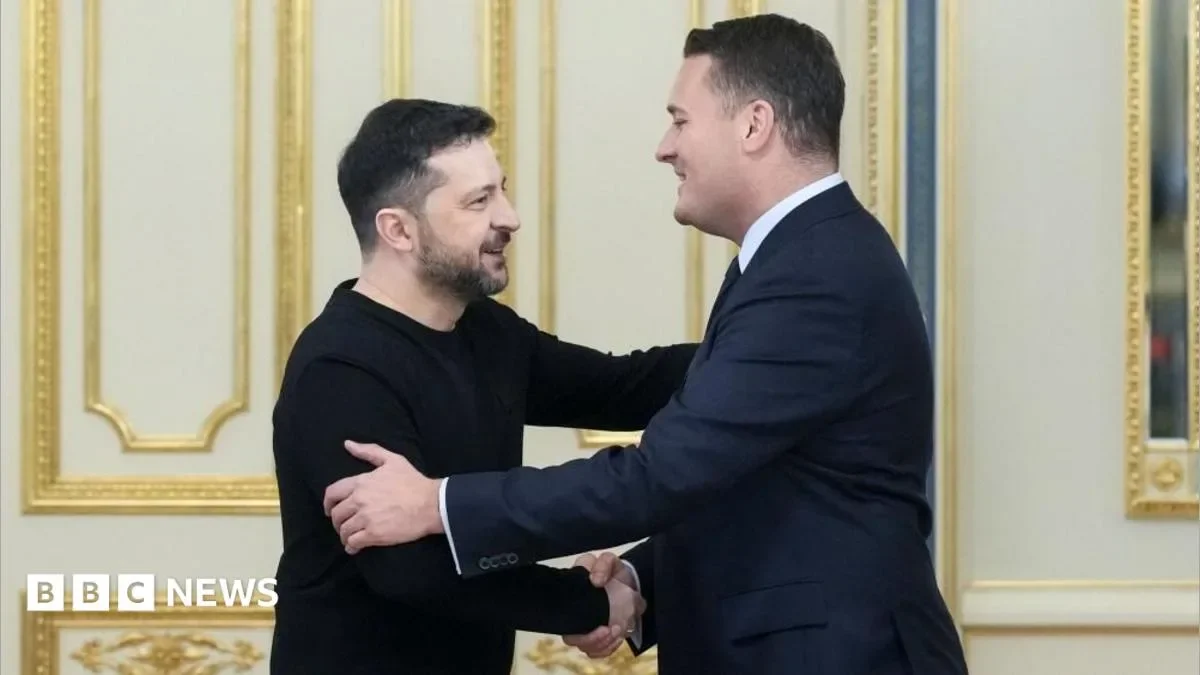
Ukrainian President Volodymyr Zelensky has explicitly defended recent strikes on the Crimean Bridge, characterizing them as a "fair response" to the systematic destruction of Ukrainian infrastructure. During a high-profile meeting in Kyiv with UK Defense Secretary Wes Streeting, Zelensky pointed to 109 separate Russian aerial attacks targeting Ukrainian bridges as the moral and strategic justification for Kyiv's counter-operations. This rhetoric signals a shift from tactical ambiguity to open acknowledgement of infrastructure warfare, suggesting that the Kerch Strait crossing remains a primary target for Ukrainian forces seeking to disrupt Russian logistics.
The meeting with Streeting also served to solidify the UK's stance, with the Defense Secretary labeling Vladimir Putin a "cold-blooded killer." For global observers, this interaction reinforces the reality that Western military aid is increasingly tied to Ukraine's ability to strike deep behind Russian lines. As the conflict enters a more destructive phase, the pressure on global energy and supply routes remains high, contributing to the persistent risk premium seen in international markets.
Trump’s 'Permanent' Deal and the Toman’s Response
In a move that has sent ripples through diplomatic circles, US President Donald Trump announced his desire for a "permanent" agreement to prevent Iran from developing nuclear weapons. This statement marks a potential departure from the previous "maximum pressure" campaign, suggesting a focus on a long-term, binding resolution rather than temporary freezes. While the details of such a deal remain speculative, the mere mention of a permanent diplomatic path has immediate implications for the Iranian economy, which has long been stifled by the uncertainty of sunset clauses in previous agreements.
Following these signals, the Iranian currency market showed signs of a tactical retreat by speculators. The USD/IRR rate moved from 272,900 down to 269,700, marking a 1.2% gain for the Toman. This cooling off suggests that the market is pricing in a period of diplomatic maneuvering rather than immediate escalation. However, the volatility remains extreme in the gold sector, where the Emami coin saw a significant drop from 250,000,000 to 239,500,000 Toman, a 4.2% decrease that reflects a broader liquidation of safe-haven assets as local tensions momentarily plateau.
Cybersecurity Breaches and Executive Control in Washington
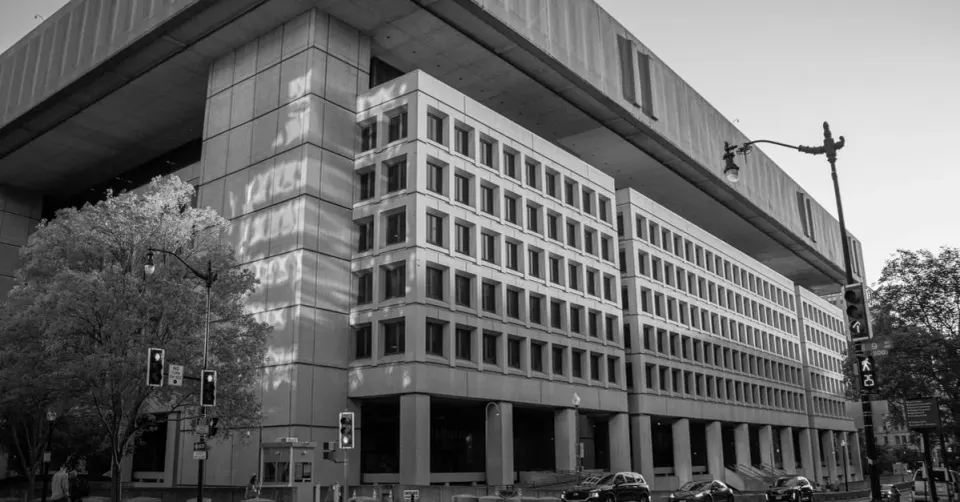
While foreign policy dominates the headlines, a major domestic security crisis is unfolding in the United States. Reports have confirmed that both the FBI and the US Department of Agriculture (USDA) were victims of a significant cyberattack. This breach targeted the National Crime Information Center (NCIC), a critical database used by law enforcement agencies nationwide. This is the second such hack in recent months, raising urgent questions about the vulnerability of federal infrastructure during a sensitive political transition. The breach highlights the growing capability of non-state actors or foreign entities to penetrate the heart of American security apparatus.
Simultaneously, President Trump has issued a sweeping executive order aimed at centralizing control over information flow. The order mandates that federal contractors and subcontractors must consult with the White House before responding to any congressional inquiries, effectively allowing the administration to stymie oversight efforts by claiming executive privilege. This move is designed to anticipate a flood of Democratic-led inquiries and underscores a period of intense internal friction within the US government. For international investors, this domestic instability often translates into a weaker appetite for US-denominated risks, though the immediate impact has been overshadowed by the broader geopolitical shifts in Eastern Europe and the Middle East.
Regional Security and the Shadow War
On the regional front, the IRGC has announced the downing of another "enemy spy drone" off the coast of Bushehr in the northern Persian Gulf. This incident follows a pattern of heightened surveillance and counter-surveillance activities in the Strait of Hormuz. Iranian military officials, including Army spokesperson Brigadier General Mohammad Akraminia, have reiterated that any further aggression will be met with a "swift and decisive" response. These localized skirmishes serve as a constant reminder that despite diplomatic rhetoric from Washington, the military reality on the ground remains one of high alert and potential miscalculation.
Furthermore, the arrest of Mexican drug cartel boss "El Chapo Isidro" by special forces in Sinaloa demonstrates a tightening of global enforcement against illicit networks, which often overlap with the financing of regional instabilities. As the FBI’s top fugitives are captured and domestic hacks are investigated, the interconnected nature of global security becomes clear. For the Iranian reader, these events are not isolated; they represent the shifting tectonic plates of a world order where traditional alliances are being tested by both technological warfare and unconventional diplomacy.
Frequently Asked Questions
Why is Zelensky openly defending the strikes on the Crimean Bridge now?
What does Trump mean by a 'permanent' nuclear deal with Iran?
Why did the Emami coin price drop so significantly (4.2%) despite regional tensions?
What was the impact of the FBI and USDA hack reported on Friday?
Understanding How Geopolitics and Sanctions Influence Currency Exchange Rates
Currency exchange rates are the bedrock of international trade and finance, determining how much one currency is worth in relation to another. They are not static figures but dynamic reflections of a nation's economic health, political stability, and its standing in the global arena. While myriad factors influence these rates, geopolitical events and international sanctions stand out as particularly potent forces, capable of triggering rapid and significant shifts in a currency's value. Understanding these dynamics is crucial for comprehending global economic headlines, especially concerning countries like Iran.
International sanctions, often imposed by multiple nations or international bodies, are designed to exert economic pressure on a target country, aiming to alter its policies or behavior. These measures typically restrict trade, limit access to global financial systems, freeze assets, and deter foreign investment. When a country faces such restrictions, its ability to export goods and services declines, reducing the inflow of foreign currency. Simultaneously, its need for foreign currency to import essential goods remains, or even increases due to domestic production shortfalls. This imbalance – less foreign currency coming in, continued demand for it going out – directly weakens the local currency's value.
The depreciation of a national currency under the weight of sanctions has profound consequences for its citizens and economy. A weaker currency makes imported goods, from food staples to industrial machinery, significantly more expensive, fueling inflation. This erodes the purchasing power of wages and savings, leading to a decline in living standards. Furthermore, it can trigger capital flight, as individuals and businesses seek to protect their wealth by converting local currency into more stable foreign assets or alternative stores of value, like precious metals or certain coins, further exacerbating the currency's decline.
Iran offers a compelling, albeit challenging, real-world example of these forces at play. Decades of international sanctions, particularly those related to its nuclear program, have severely impacted the Iranian Rial (IRR) and its unofficial successor, the Toman. Restrictions on oil exports, banking transactions, and foreign investment have consistently put downward pressure on the currency. The prospect of new sanctions or the collapse of international agreements, such as the Iran nuclear deal, often sends immediate ripples through the exchange market, causing the Rial to depreciate against major currencies like the US Dollar, directly impacting daily prices and the value of domestic assets like the Emami coin.
In essence, currency exchange rates are not merely economic indicators; they are barometers of geopolitical tension and the effectiveness of international pressure. For nations under sanctions, the daily fluctuation of their currency against global benchmarks like the USD is a tangible measure of their economic isolation and the challenges faced by their populace. Grasping this interplay between global politics and national economics provides essential context for interpreting news about international relations, trade, and financial markets.
Topics
Related Articles