How to Audit Your Crypto Portfolio Amidst Geopolitical Shifts and Layer 2 Shakeups
استراتژی بقا در بازار کریپتو؛ چگونه در زمان تنشهای تایوان و ریزش لایه ۲ از سرمایه خود محافظت کنیم؟
With Bitcoin hovering near $78,000 and US-China tensions escalating over Taiwan, the crypto market is entering a phase of extreme sensitivity. This guide explains how to evaluate your holdings as smaller projects fail and global risks rise, ensuring your capital remains a true store of value.
At time of publishing
USD
180,250
Toman
Gold 18K
19.78M
Toman / gram
Bitcoin
$77,854
US Dollar
Tether
17,769.3
Toman
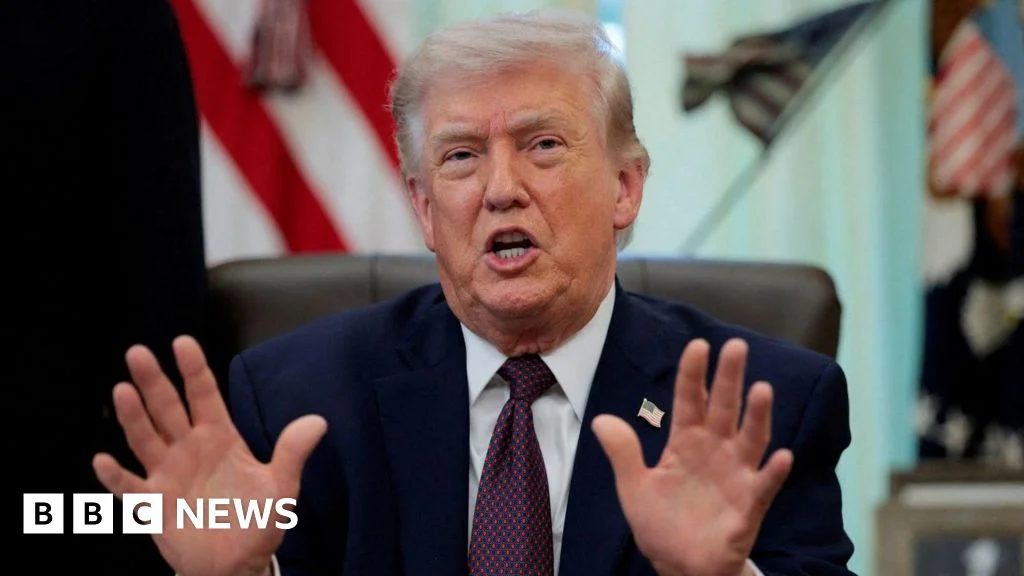
The global financial landscape is shifting rapidly this Thursday. With Donald Trump mooting talks with Taiwan's leader—a move that challenges decades of diplomatic protocol—geopolitical risk is back at the forefront of market pricing. For the Iranian investor, this isn't just international news; it is a direct signal for the USD/IRR rate, which has already climbed to 180,250 Toman (+0.4%). When global tensions rise, the 'digital gold' narrative for Bitcoin gains traction, but so does the volatility of the Toman. Understanding how to audit your portfolio today is the difference between wealth preservation and significant loss.
Step 1: Filter for Infrastructure Survival
Recent news of Syndicate Labs winding down after five years highlights a critical shift: the Ethereum Layer 2 market is consolidating. With Arbitrum and Base controlling nearly 70% of the market, smaller 'rollups' and utility tokens are becoming increasingly risky. If your portfolio is heavy on mid-cap L2 projects, you must evaluate their TVL (Total Value Locked) and developer activity. As we see with Syndicate, being 'innovative' isn't enough to survive a shrinking market. For an Iranian user, holding illiquid tokens during a local currency spike is dangerous because you may not be able to exit into USDT (currently at 17,769 Toman) quickly enough when you need to cover real-world expenses.
---
Step 2: The 'Novelty' vs. 'Store of Value' Test
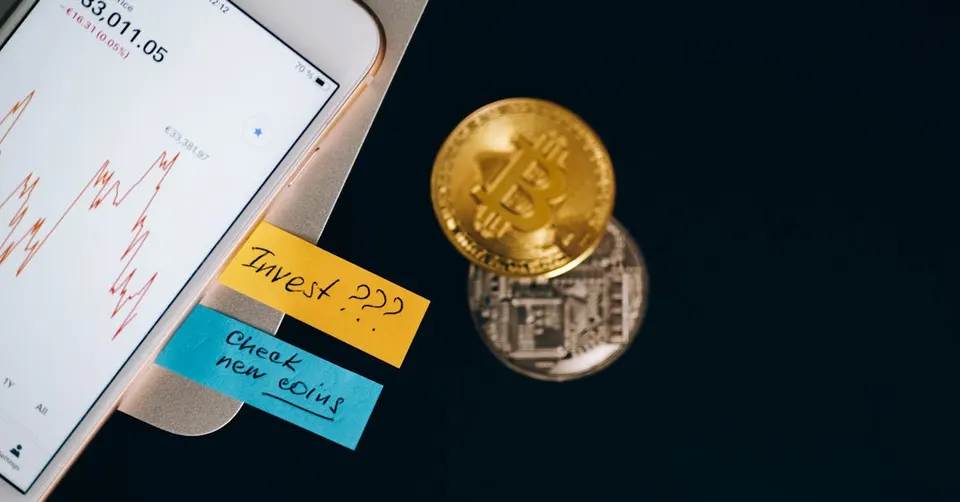
Chainalysis recently reported that tax evaders are utilizing BRC-20 tokens and Bitcoin Ordinals to move funds, which has put these 'novel digital assets' under intense regulatory scrutiny. While these assets might offer high speculative returns, they are failing the 'store of value' test for long-term holders. To audit your portfolio, separate your 'moonshots' from your 'foundation.' A foundation asset should have high liquidity and low regulatory 'taint.' Given that Bitcoin is trading at $77,854, it remains the primary hedge, but the rise of BRC-20 tracking means your privacy and exit liquidity could be compromised if you hold obscure standards that exchanges might eventually delist under pressure.

---
Step 3: Correlate with Energy and Macro Trends
Goldman Sachs has sounded a fresh alarm on global oil stockpiles, noting that inventories are falling at the highest rate ever recorded. This tightening of the physical market, combined with the fact that oil exports through the Strait of Hormuz are at only 5% of normal levels, suggests that energy-driven inflation is far from over. For an Iranian investor, this means the pressure on the Toman will likely persist. Your crypto audit should include a 'Toman-equivalent' check. Even if Bitcoin stays flat in USD terms, a rise in the USD/IRR rate means your purchasing power in Iran is technically increasing. However, if you are holding assets like the Emami coin, which fell 0.5% today to 192,500,000 Toman, you are seeing a decoupling where gold-backed assets might underperform digital ones in the short term.
---
Step 4: Execute the Rebalance
To effectively rebalance, follow a 60-30-10 rule in this volatile environment. Allocate 60% to 'Hard Assets' (Bitcoin or physical Gold 18k, currently at 19,783,230 Toman per gram), 30% to 'Liquid Cash' (USDT or USD to catch dips), and no more than 10% to 'Speculative Tech' (L2 tokens or BRC-20s). If your speculative bucket has grown due to recent pumps, harvest those profits into USDT now. With the USD sell rate at 180,250, the cost of being wrong is higher than ever. Ensure your exchange of choice has deep liquidity for the specific pairs you hold, as the 'peace in Europe' is no longer the default, and market exits can become crowded instantly.

Frequently Asked Questions
Why is the closure of Syndicate Labs important for my portfolio?
With USD/IRR at 180,250, is it too late to buy USDT?
Are BRC-20 tokens safe for long-term storage?
How does the Taiwan-China tension affect my crypto assets in Iran?
Bitcoin as a Store of Value Amidst Global Instability
In times of economic uncertainty and geopolitical upheaval, investors often seek assets that can reliably preserve wealth over time. This fundamental concept is known as a "store of value." Historically, gold has been the quintessential example, prized for its scarcity, durability, and universal acceptance. However, with the advent of digital assets, Bitcoin has increasingly been discussed and utilized as a potential modern-day store of value, especially in regions experiencing high inflation, currency devaluation, or political instability.
Bitcoin's appeal as a store of value stems from several key characteristics. Its most critical feature is its absolute scarcity, with a hard cap of 21 million coins ever to be mined, which mirrors the scarcity of precious metals. Unlike fiat currencies, Bitcoin is decentralized and not subject to the monetary policies or control of any single government or central bank. This makes it a compelling alternative for individuals and institutions looking to protect their assets from government overreach, capital controls, or the inflationary pressures that can erode the purchasing power of traditional currencies like the Iranian Rial against the US Dollar.
Furthermore, Bitcoin's global accessibility and censorship resistance mean it can be sent and received anywhere in the world without intermediaries, offering a lifeline for those in politically sensitive regions or under sanctions. Its divisibility allows for transactions of any size, and its cryptographic security provides a high degree of protection against theft, provided users manage their private keys securely. These attributes position Bitcoin as a digital safe haven, particularly relevant when traditional financial systems are perceived as vulnerable or unreliable.
However, it's crucial to acknowledge that Bitcoin's journey to becoming a universally accepted store of value is not without its challenges. Its price volatility, while sometimes offering significant upside, can also lead to substantial drawdowns, making it a less stable store of value compared to gold in the short term. Regulatory uncertainties and the energy consumption associated with its mining process are also ongoing debates. Nevertheless, for many, especially those navigating complex geopolitical landscapes and seeking alternatives to volatile local currencies, Bitcoin represents a powerful and increasingly adopted tool for wealth preservation.