Beyond the Flash: How Visual Conflict Drives Market Volatility and Iranian Prices
فراتر از جرقهها: چگونه تصاویر درگیری بر نوسانات بازار و قیمتهای ایران اثر میگذارند
When missile footage hits the screens, markets react instantly, but the long-term impact is often hidden in the data. We break down why USD and Gold are dipping today despite the headlines and what it means for your portfolio.
At time of publishing
USD
177,750
Toman
Gold 18K
18.42M
Toman / gram
Bitcoin
$63,352
US Dollar
Tether
177,813
Toman
The Psychology of the 'Headline Spike'
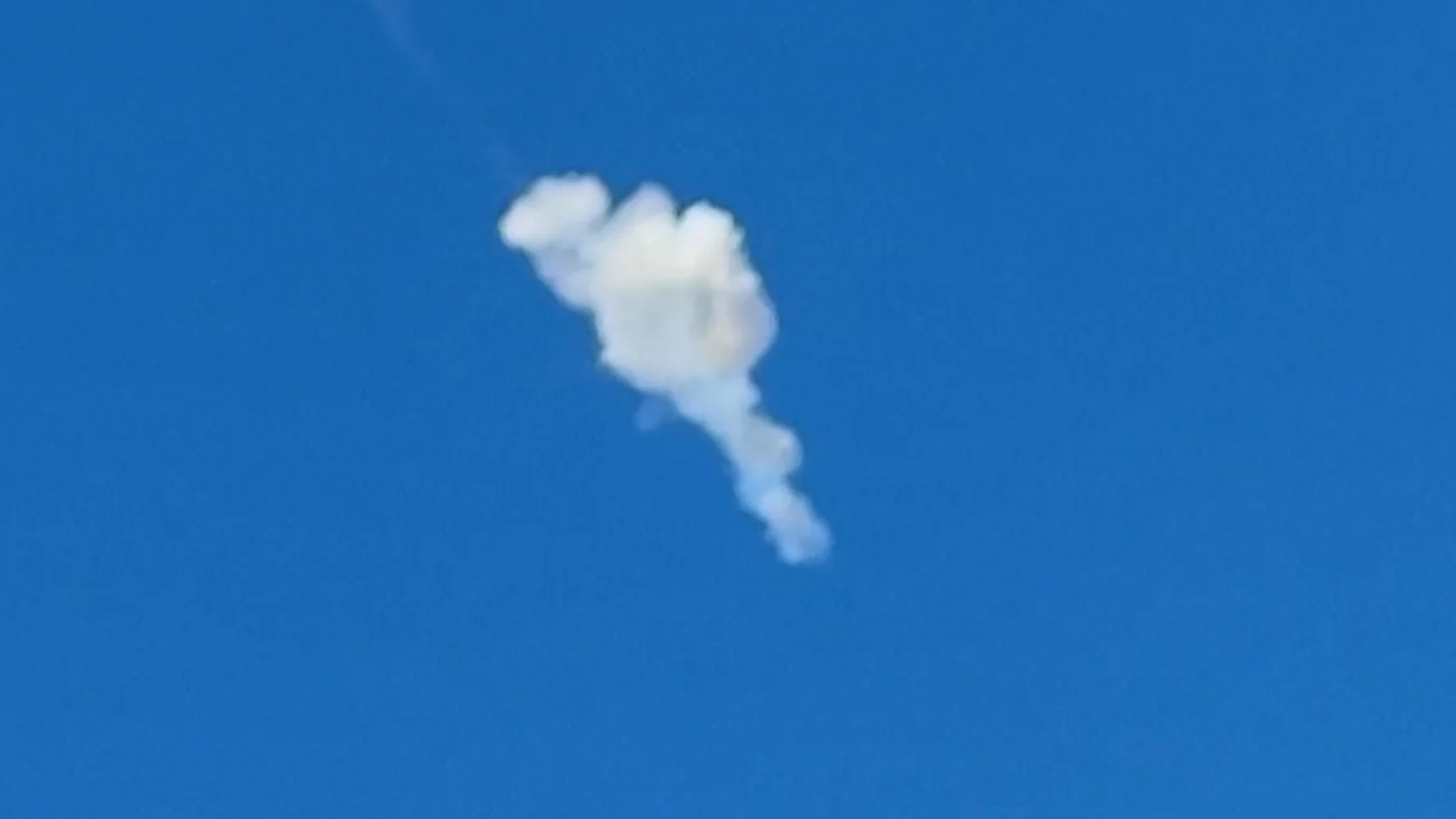
On Monday, June 8, 2026, the Iranian media landscape was dominated by footage released by the military showing a barrage of missiles launched toward Israel. According to reports from the BBC and Al Jazeera, this was framed as the start of a "full week of continuous strikes." In the world of finance, such high-impact visual data usually acts as a lightning bolt. For the average Iranian investor, the first instinct is often to hedge—to buy USD or Gold to protect against a potential collapse in the Rial. However, today’s market data shows a surprising counter-trend: the USD sell rate actually dipped from 178,400 to 177,750 Toman (-0.4%), and Gold 18k dropped by 1.4%.
This phenomenon is what professional traders call "priced-in" risk. When a conflict reaches its 101st day, as noted by Al Jazeera, the market develops a layer of scar tissue. The initial shock that would have sent prices soaring in April 2024 or early 2025 no longer has the same potency. Investors have already adjusted their portfolios for a state of "perpetual tension." When the footage actually drops, instead of a new wave of buying, we often see "profit-taking" from those who bought the rumor and are now selling the fact, leading to the slight cooling we see in today's midday prices.

Why Gold and USD Aren't Always Correlated to Chaos
It is a common misconception that war always equals higher prices for safe havens. While Gold (XAU) is trading at a staggering $4,279.10 per ounce globally, the local Iranian price is a slave to two masters: the global spot price and the local USD/IRR exchange rate. Today, the Emami coin fell 0.8% to 182,500,000 Toman. This suggests that the local demand for physical gold is currently being outweighed by a lack of liquidity or perhaps a tactical intervention by the Central Bank to stabilize the market during a high-tension window.
Furthermore, global factors are playing a role. While the Middle East remains a tinderbox, the crypto world is watching the "CLARITY Act" in the US Senate. Galaxy Digital recently dropped the odds of this crypto-friendly bill passing to 60%, citing a tight legislative calendar. This regulatory uncertainty in the US affects global risk appetite. When institutional investors feel uncertain about crypto regulations, they often retreat to the US Dollar, strengthening it globally but sometimes causing a "risk-off" sentiment that reduces the speculative fever in emerging markets like Iran.

Lessons from the Tech Frontier: Zcash and Resilience
While the headlines focus on missiles, the technology sector provides a different kind of lesson in resilience. Zcash (ZEC) recently rebounded 42% after resolving a critical vulnerability in its Orchard shielded pool. This is a perfect analogy for the Iranian economy: while external shocks (like missile strikes) create noise, the underlying "code" or structural health of a system is what determines long-term recovery. For an Iranian investor, the takeaway is clear: do not trade solely on the news of the hour.
Today's midday snapshot—with USD at 177,750 and BTC at $63,352—reminds us that markets are complex machines. Even as missiles were intercepted over East Jerusalem and the West Bank, the markets did not enter a freefall. This suggests that the "risk premium" is already very high, and it takes significantly more than a video release to move the needle further. Smart investors look past the smoke and focus on the support levels; for USD, that level remains around the 176,000 buy mark, showing that despite the chaos, there is a floor to the Rial's current valuation.
Frequently Asked Questions
Why did the Dollar and Gold prices drop today despite the missile footage?
What is the 'CLARITY Act' and why does it matter to Iranians?
Is the current dip in Gold a buying opportunity?
Understanding "Priced-In" Risk in Financial Markets
In the dynamic world of finance, the term "priced-in risk" is crucial for understanding how markets react to current events and anticipate future uncertainties. Essentially, when a risk is "priced-in," it means that market participants have already incorporated the potential impact of a known or highly anticipated event into the current prices of assets. This anticipation reflects collective expectations about how a future event, such as a geopolitical conflict or an economic policy change, might affect an asset's value, its currency exchange rate, or the broader market sentiment.
Consider the context of geopolitical tensions, like the Iran-Israel conflict mentioned in the headline. As the likelihood or severity of such a conflict increases, investors and traders begin to factor in the potential disruptions, economic sanctions, or supply chain issues that could arise. For instance, the expected impact on the USD/IRR exchange rate or the price of gold in Iran would be reflected in their current values, even before the event fully materializes. This pre-emptive adjustment causes assets perceived as risky to fall in value (or their yields to rise), while safe-haven assets might see their prices increase.
However, a key nuance of "priced-in risk" is that once an event occurs, if its outcome aligns with or is less severe than market expectations, the asset prices might not move significantly further, or could even rebound. This is because the market has already discounted the bad news. Conversely, if the actual event is worse than anticipated, it can trigger a fresh wave of volatility and price adjustments, as the market scrambles to "re-price" the new, higher level of risk. Understanding this mechanism is vital for investors navigating volatile markets, especially in regions prone to geopolitical instability.