
Beyond the Hype: 5 Steps to Evaluate if Your Next Coin Purchase is a Real Store of Value
فراتر از هیجان بازار: ۵ قدم برای تشخیص اینکه سکه یا ارز دیجیتال «ذخیره ارزش» واقعی است یا خیر
With Emami coins jumping 1.4% to 177 million Toman and Bitcoin rebounding above $60k, the urge to buy is high. This guide provides a framework to distinguish between speculative bubbles and assets that truly protect your wealth against Rial depreciation.
At time of publishing
USD
175,150
Toman
Gold 18K
17.39M
Toman / gram
Bitcoin
$60,547
US Dollar
Tether
176,518
Toman
The Transparency of Value: Lessons from the Corporate World
When we look at the recent headlines regarding KPMG appointing a chair who previously denied leak allegations, we see a fundamental crisis of transparency. In the financial world, whether you are buying a physical Emami coin for 177,000,000 Toman or digital Bitcoin at $60,547, transparency is your first line of defense. A true store of value must have an 'auditable' scarcity. For gold, this is its physical weight and purity; for Bitcoin, it is the blockchain code that ensures only 21 million will ever exist. If the 'why' behind a price jump—like today's 1.1% rise in 18k gold—is obscured by market manipulation or lack of data, you are gambling, not investing.
Investors in Iran often face a 'black box' of information regarding domestic policy and currency shifts. Just as the Australian government is debating laws to prevent tech companies from 'shredding documents' to avoid scrutiny, you must demand clarity from your investment choices. Before buying, ask yourself if the asset's value is derived from its inherent utility and scarcity, or if it is merely riding a wave of temporary panic. Today’s USD sell rate of 175,150 Toman suggests a steady upward pressure (+0.7%), but buying at the peak of a news cycle without understanding the underlying drivers is a recipe for long-term loss.
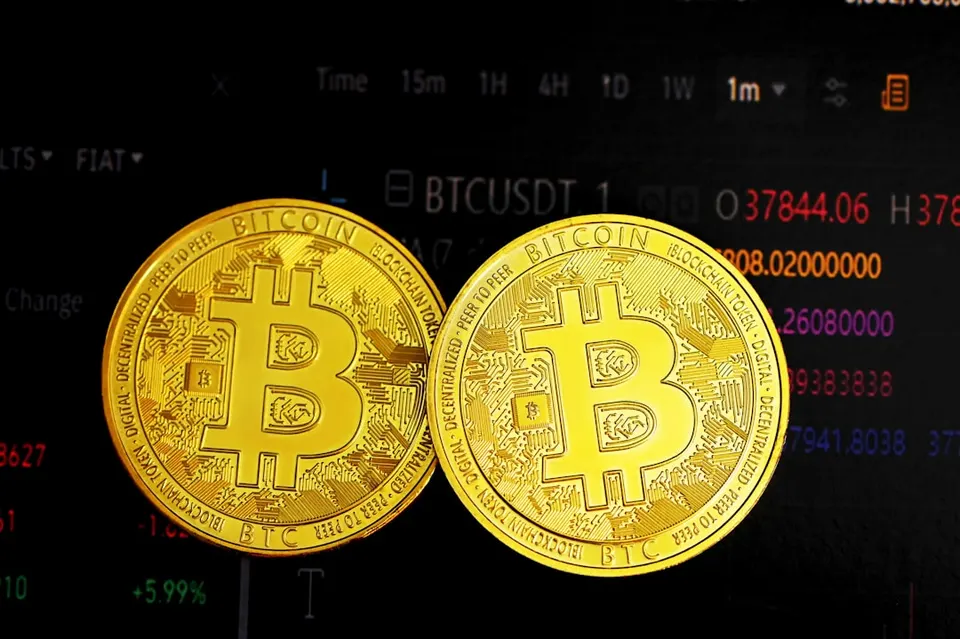
The Psychology of the 'Painful' Hold
F1 champion Lando Norris recently remarked that he is 'paying the price' of pain this year for the glory of the last. This mindset is essential for anyone treating coins as a store of value. A store of value is not meant to make you rich overnight; it is meant to keep you from becoming poor as the currency around you devalues. Today's market shows Emami coins rising 1.4%, outpacing the USD's 0.7% growth. This 'premium' or 'bubble' often causes pain for late entrants who buy during the spike. You must evaluate if you are emotionally prepared to hold an asset through its 'Wimbledon gloom'—those periods where prices stagnate or dip while the rest of the world seems to be moving on.
Resilience is the hallmark of a successful investor. When Bitcoin was wedged near the $63k supply wall earlier this week, many panicked. Now, as it rebounds above $60k, the narrative shifts back to optimism. To evaluate a coin, look at its 'drawdown' history. How did it perform during the last major Rial shock? Did it recover its purchasing power faster than other assets? A reliable store of value is like a high-performance athlete; it may suffer setbacks, but its fundamental mechanics remain intact, allowing for eventual recovery and growth.
Practical Steps to Audit Your Asset
To effectively evaluate a purchase, start with the 'Liquidity Test.' A store of value is useless if you cannot convert it back to cash when you need it most. In Iran, the USDT/Toman market (currently at 176,518) offers immense liquidity, but it comes with platform risks. Conversely, physical gold is highly liquid but carries storage and security concerns. Just as tech users look for Hostinger or Squarespace promo codes to lower their digital infrastructure costs, you should calculate the 'cost of carry' for your coins. This includes the spread between buying and selling prices (currently about 1,000 Toman for USD) and any storage or insurance fees for physical assets.
Next, analyze the 'Correlation Factor.' In a market where the USD rises by 0.7% and gold by 1.1%, gold is showing independent strength beyond just the currency shift. This indicates global demand or a local supply squeeze. If you are buying a coin because it is 'cheap,' ensure it isn't cheap because it’s losing its relevance. A good store of value should ideally maintain a low correlation with your primary income source but a high correlation with global purchasing power. If your portfolio is too heavily weighted in one asset type, you aren't storing value; you are concentrating risk.
Final Evaluation: The Institutional Signal
Finally, observe institutional behavior. When we see large firms like KPMG or tech giants like SAP restructuring their leadership and AI strategies, it signals where the 'smart money' is moving. In the crypto space, the lack of timely disclosures from public figures—like the recent report on FBI Director Kash Patel’s MSTR shares—highlights that even those in power are quietly accumulating these assets. However, as an individual investor in Iran, you do not have the safety net of a large corporation. Your 'store of value' must be something that you can personally control and verify.

Whether you choose the traditional route of Emami coins or the modern path of Bitcoin, the goal remains the same: wealth preservation. Today's snapshot—with gold at 17,394,616 Toman per gram—is a reminder that the cost of waiting is often higher than the cost of a well-researched entry. Evaluate your next purchase not by the percentage gain on a screen, but by the peace of mind it provides when you turn that screen off. Diversification across physical and digital 'coins' remains the most robust strategy for navigating the volatile waters of the 2026 economy.
Concept Diagram
Frequently Asked Questions
Why is the Emami coin rising faster than the USD today?
Is Bitcoin at $60,547 a safer store of value than gold at 17.3M Toman?
How do I calculate the 'bubble' on my gold coin purchase?
Should I sell my coins when the market shows 'Wimbledon gloom' or stagnation?
Understanding 'Store of Value': Preserving Wealth in Uncertain Times
The concept of a Store of Value is fundamental to understanding how individuals and societies preserve wealth, especially in times of economic uncertainty. At its core, a store of value is any asset that maintains its purchasing power over time without depreciating significantly. Unlike a medium of exchange, which facilitates transactions, or a unit of account, which measures value, a store of value focuses on preserving wealth for future use. Key characteristics often include scarcity, durability, divisibility, and transferability, ensuring that the asset can be reliably held and exchanged later without substantial loss.
Historically, precious metals like gold and silver have been the quintessential stores of value. Gold, for instance, has been prized for millennia due to its inherent scarcity, resistance to corrosion, and universal acceptance across cultures as a symbol of wealth. In regions facing currency instability, such as Iran with its fluctuating Rial, assets like gold coins (e.g., Emami coins) or even physical gold (18k gold) become crucial hedges against inflation and depreciation. People turn to these tangible assets to protect their savings from the erosion of purchasing power that can plague fiat currencies.
In the digital age, new contenders have emerged, sparking debate about their role as stores of value. Bitcoin, with its programmed scarcity and decentralized nature, is championed by many as "digital gold," offering a hedge against traditional financial systems. Stablecoins like USDT, while designed to maintain a pegged value to a fiat currency (like the US dollar), are often used to preserve purchasing power by avoiding the volatility of local currencies, even if they carry their own set of risks related to reserves and regulation. The effectiveness of any asset as a store of value ultimately depends on its perceived stability, market acceptance, and resilience to economic shocks.