How to Hedge Your Savings as Naval Tensions Rise Near the Strait of Hormuz
راهنمای عملی پوشش ریسک سرمایه در زمان افزایش تنشهای دریایی در تنگه هرمز
With South Korea expanding its naval presence near the Strait of Hormuz and US political shifts creating market uncertainty, Iranian investors face new volatility. Learn how to use gold fractions and USDT to protect your purchasing power without needing massive capital.
At time of publishing
USD
267,800
Toman
Gold 18K
26.11M
Toman / gram
Bitcoin
$80,266
US Dollar
Tether
266,650
Toman
Understanding the New Risk Landscape
The geopolitical temperature around the Strait of Hormuz has taken a sharp turn. South Korea has announced plans to expand its Cheonghae anti-piracy unit's operations to within 650km of the strait, specifically near the port of Duqm in Oman. This move, driven by pressure from the US administration, signals a more crowded and militarized maritime corridor. For an Iranian investor, this isn't just a headline; it is a direct signal of potential volatility in the Rial. Historically, any increased military presence in these waters leads to higher shipping insurance costs and a psychological 'risk-on' sentiment that drives the USD/IRR rate upward.
While the market today shows a slight cooling—with the USD sell rate at 267,800 Toman, down 0.1%—the underlying tension remains. The political rift in Washington, highlighted by Vice President JD Vance's critique of the previous administration's 'Iran war' rhetoric, suggests that US policy remains unpredictable. In such an environment, the 'wait and see' approach is often the most expensive mistake. You need a strategy that moves faster than the headlines, focusing on assets that are not tied to the local banking system's liquidity or the physical movement of goods through the strait.

The 'Fractional Hedge' Strategy: Gold and USDT
You do not need billions of Tomans to protect your wealth. Today, Gold 18k is priced at 26,109,238 Toman per gram, showing a 0.5% increase over the last 24 hours despite the slight dip in the dollar. This divergence is key: gold is acting as a global safe haven as the international gold ounce sits at a staggering $4,129.70. For the small investor, the best approach is 'fractional hedging.' Instead of buying full coins like the Emami (currently at 265,000,000 Toman), focus on 18k melted gold or digital gold certificates that allow you to enter the market with as little as a few million Tomans.
Simultaneously, USDT (Tether) remains the most liquid bridge to global markets. With a current price of 266,650 Toman, it provides a digital equivalent to the dollar that can be moved or liquidated instantly. Unlike physical cash, which can be subject to supply shocks or bank withdrawal limits during times of high tension, USDT allows you to maintain 'exit liquidity.' The goal here isn't speculation; it's preservation. By splitting your available surplus 50/50 between gold and USDT, you hedge against both local currency devaluation and global inflation.
Practical Steps for Volatile Weeks
To execute this effectively, follow a 'staggered entry' model. Do not dump all your Rials into the market on a single day. The news of South Korea’s naval expansion is still developing and requires parliamentary approval. This means there will be 'noise'—days where the price spikes and days where it retreats based on tweets or official denials. Use the current 0.1% dip in the USD to buy your first 25% of your target hedge. If the price drops further, you lower your average entry cost; if it spikes due to a security incident in the Gulf, you are already protected.
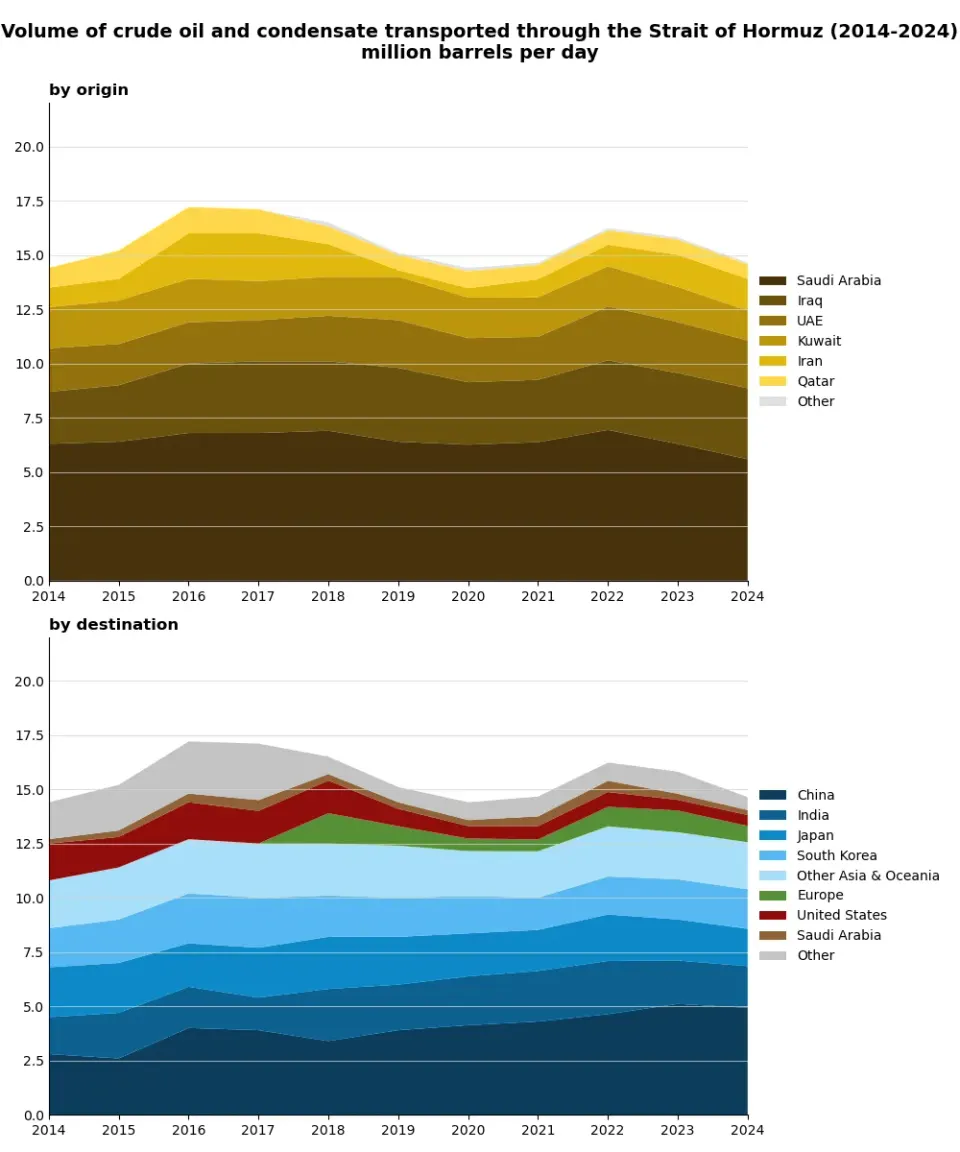
Finally, monitor the energy transition signals. While the EU is pushing heavily toward renewables—with 87% of citizens supporting a transition away from oil—the immediate reality for Iran is still tied to the Strait. The long-term trend toward green energy, as shown in recent surveys, might eventually lower oil's geopolitical weight, but for the next few years, the Strait of Hormuz remains the 'jugular vein' of the global economy. Staying informed through tools that track both the gold ounce and the local Toman rate is your best defense against the 'wild west' of modern markets.
Concept Diagram
Frequently Asked Questions
چرا با وجود کاهش قیمت دلار، قیمت طلا در ایران افزایش یافته است؟
آیا خرید تتر در زمان تنشهای دریایی امنتر از دلار کاغذی است؟
استراتژی ورود پلهای چیست و چرا اکنون توصیه میشود؟
Gold as a Safe‑Haven Hedge Against Geopolitical and Currency Risk
Gold has long been classified as a safe‑haven asset – a store of value that tends to retain purchasing power when other investments falter. Unlike equities or bonds, gold does not generate cash flows, but its scarcity, universal acceptance, and low correlation with most financial markets give it a unique defensive profile. When investors fear inflation, currency devaluation, or political turmoil, they often shift a portion of their portfolios into physical gold or gold‑linked securities to preserve wealth.
Geopolitical flashpoints such as the Strait of Hormuz can dramatically amplify market anxiety. The narrow waterway carries a sizable share of the world’s oil trade; any threat of naval confrontation—whether involving Iran’s expanding fleet, South Korea’s Cheonghae unit, or U.S. naval forces—can trigger spikes in oil prices and heightened risk aversion. In such environments, investors typically seek assets that are insulated from the immediate fallout of trade disruptions, and gold’s historical performance during crises (e.g., the 2008 financial crisis, the 2022 Russia‑Ukraine war) reinforces its reputation as a reliable hedge.
A popular alternative hedge that has emerged in recent years is the stablecoin USDT, which is pegged to the U.S. dollar. While USDT offers liquidity and ease of transfer, it still carries counter‑party risk and is vulnerable to regulatory scrutiny. Gold, by contrast, is a tangible commodity that cannot be “un‑pegged” and is less exposed to digital‑currency volatility. However, gold is less liquid than USDT for day‑to‑day transactions and incurs storage or custodial costs, so many investors allocate a mix of both depending on their risk tolerance and horizon.
For residents of Iran looking to protect their savings, buying gold can be done through several channels: local banks that sell gold coins or bars, licensed jewelry shops, and increasingly, online platforms that allow purchase of gold‑backed exchange‑traded funds (ETFs) listed on foreign exchanges. Because the Iranian rial experiences pronounced volatility, converting a modest portion of cash into gold can act as a buffer against devaluation. Investors should watch the gold‑to‑rial exchange rate, consider transaction fees, and be aware of any import restrictions on gold bullion.
In summary, gold’s role as a safe‑haven asset makes it a powerful tool for hedging against both geopolitical shocks—such as rising naval tensions near the Strait of Hormuz—and domestic currency instability. By understanding its strengths and limitations relative to digital assets like USDT, savers can craft a balanced strategy that preserves wealth in uncertain times.