USS Ford's Return Signals Shift in Middle East Stance Amid Global Tensions; Iran Eyes BRICS for New Order
بازگشت ناو هواپیمابر فورد، نشانهای از تغییر رویکرد در خاورمیانه در بحبوحه تنشهای جهانی؛ ایران به بریکس برای نظمی نوین مینگرد
The USS Gerald R. Ford's return from its longest deployment since Vietnam, explicitly linked to the 'Iran war,' signals a potential shift in regional dynamics. Meanwhile, Australia grapples with domestic backlash over a proposed nuclear submarine base, highlighting geopolitical costs. Iran actively pursues a multipolar world through BRICS, aiming to reshape global governance.
At time of publishing
USD
180,100
Toman
Gold 18K
19.80M
Toman / gram
Bitcoin
$78,088
US Dollar
Tether
17,993.9
Toman
Market Open
As the markets awaken this Sunday morning, we observe a calm across key domestic indicators. The U.S. Dollar against the Iranian Rial remains steady at 180,100 Toman, showing no movement over the past 24 hours. This stability in the primary foreign exchange rate often reflects a holding pattern, perhaps as traders await fresh catalysts from global developments or domestic policy signals after a quiet weekend.
Similarly, the price of 18-karat gold per gram has held firm at 19,795,696 Toman, mirroring the dollar's static performance. However, the Emami coin has seen a slight uptick, rising from 193,500,000 Toman to 194,000,000 Toman, marking a modest 0.3% increase. This minor appreciation in the coin market suggests a localized demand or hedging activity, despite the broader stability in other precious metal and currency segments.
In the volatile realm of cryptocurrencies, Bitcoin is currently trading at 78,088 USD. While we don't have a 24-hour delta for BTC, its current valuation continues to draw significant attention, reflecting its persistent role as a major alternative asset. The relative calm in traditional markets today might prompt some investors to look towards digital assets for potential movement, though the overall market sentiment remains finely balanced.
USS Ford's Return: A Shifting Naval Stance in a Tense Region
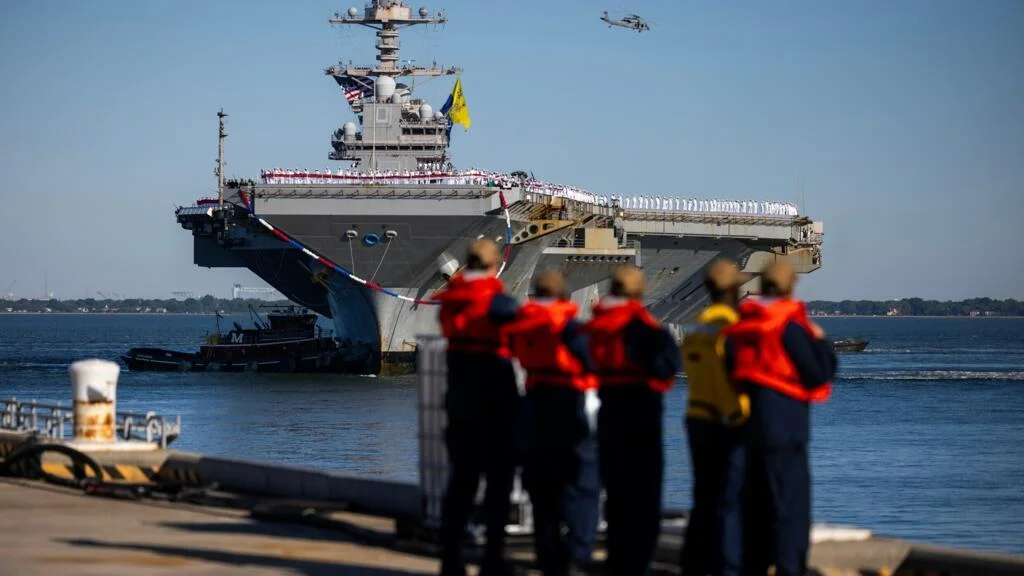
In a development that resonates deeply across global security landscapes, the USS Gerald R. Ford, the world's largest aircraft carrier, has concluded its 326-day deployment – its longest since the Vietnam War – returning home to Virginia. This monumental mission was explicitly linked to the "Iran war" and involved extensive military operations not only in the Middle East but also stretching to the Caribbean, where it reportedly participated in the capture of Venezuela's Nicolas Maduro. This extended tour underscores the persistent and wide-ranging nature of U.S. naval commitments in an era of complex geopolitical challenges.
The deployment's duration and scope highlight the sustained pressure and strategic repositioning undertaken by the U.S. in response to ongoing conflicts and perceived threats, particularly those involving Iran. The return of such a formidable asset could be interpreted in several ways: a strategic rotation of forces, a temporary de-escalation in a specific theater, or a reassessment of resource allocation. However, the explicit mention of the 'Iran war' in the context of its deployment firmly places the Middle East's security dynamics at the forefront of its operational rationale, even as its activities spanned disparate regions.
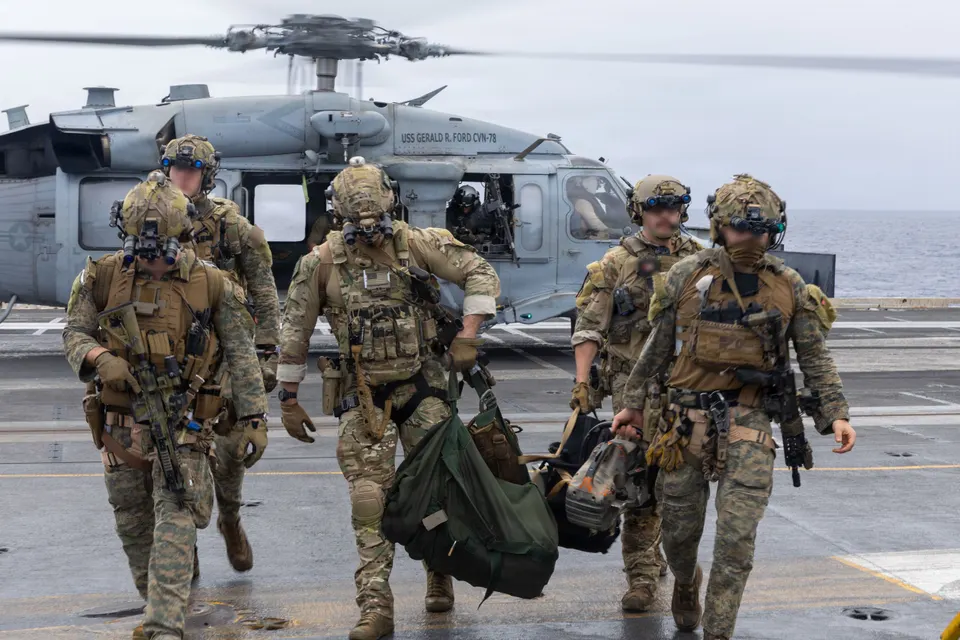
For Iran and the broader Middle East, the presence and subsequent return of the USS Ford are significant markers of the enduring U.S. military footprint and its readiness to project power. While its departure might offer a momentary sigh of relief for some, the underlying tensions that necessitated such a prolonged deployment remain pertinent. Economically, persistent geopolitical instability, especially involving crucial maritime choke points like the Strait of Hormuz, can lead to elevated shipping insurance costs, disrupt trade routes, and generally dampen investor confidence, creating ripples that affect regional and global markets alike. The operational scope, from the Persian Gulf to the Caribbean, paints a picture of interconnected global security challenges.
AUKUS Submarine Base Sparks Outcry in Australia
Across the Indo-Pacific, a proposed nuclear submarine base for the AUKUS security pact has ignited a fierce debate in Australia. Newly declassified documents have identified Port Kembla, a suburb of Wollongong in New South Wales, as a preferred site for the East Coast base, immediately drawing sharp condemnation from the local labour union. The South Coast Labour Council has vociferously warned that establishing such a facility would "place a massive target on our backs" and lead to significant "political fallout," specifically citing concerns about "surrendering Port Kembla to Trump's Navy."
This strong domestic opposition underscores the significant internal challenges and costs associated with Australia's participation in the AUKUS agreement. While the pact aims to bolster regional security and counter growing Chinese influence, the practical implications of hosting nuclear-powered submarines – from environmental concerns to perceived security risks – are proving highly contentious. The union's reference to 'Trump's Navy' also highlights lingering political sensitivities and potential shifts in U.S. foreign policy, adding another layer of complexity to the debate.
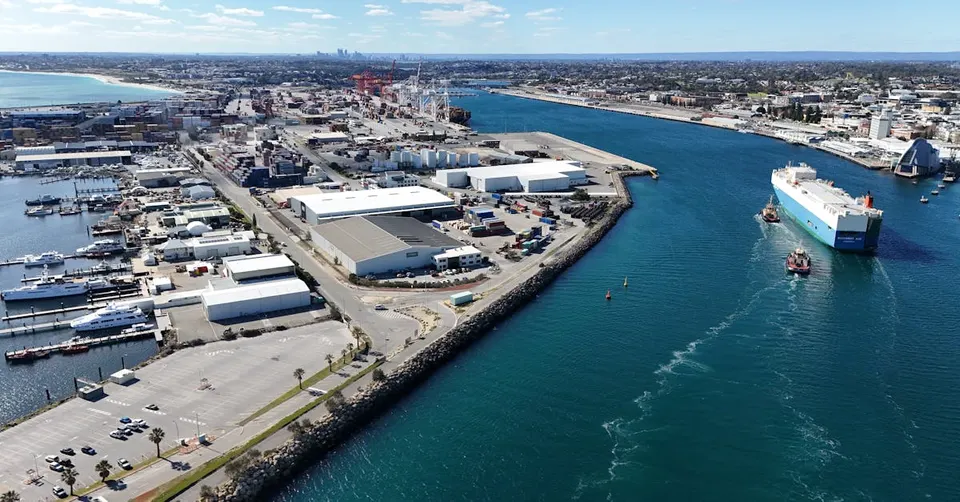
For global geopolitics, the AUKUS agreement remains a cornerstone of the Western strategy to maintain a balance of power in the Indo-Pacific. However, the domestic resistance in Australia serves as a potent reminder that grand strategic alliances come with tangible local consequences and political hurdles. For Iranian readers, while geographically distant, increased militarization in the Indo-Pacific and the formation of new security blocs can influence global trade dynamics, shift international priorities, and potentially impact the broader geopolitical chessboard, indirectly affecting Iran's strategic calculations and economic environment. It reflects a worldwide trend of nations grappling with the implications of enhanced military capabilities and alliances.
Iran's Diplomatic Push: BRICS and Global Governance Reform
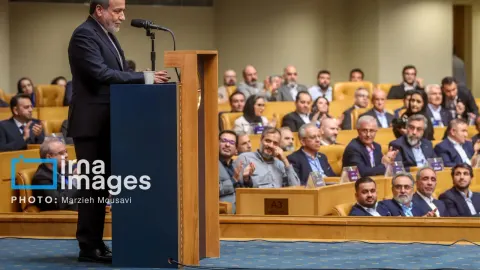
Shifting our focus to Iran's diplomatic endeavors, Foreign Minister Abbas Araghchi has provided insights into his recent engagements, including a visit to India and participation in the BRICS foreign ministers' meeting. Araghchi highlighted a series of bilateral talks with senior officials from several BRICS member states, underscoring Iran's active pursuit of strengthened ties with this influential bloc of emerging economies. A central theme of his discussions was Iran's call for a fundamental reform of global governance, advocating for a more equitable and multipolar international system.
Iran's robust engagement with BRICS is a clear strategic move to diversify its international partnerships and reduce its reliance on Western-dominated institutions. By fostering closer economic and political ties with countries like India, China, and Russia, Tehran aims to build a more resilient economic framework that can better withstand external pressures, including sanctions. The emphasis on global governance reform aligns with Iran's long-standing advocacy for a world order that reflects the growing power of non-Western nations, challenging existing hegemonies and creating new avenues for cooperation.
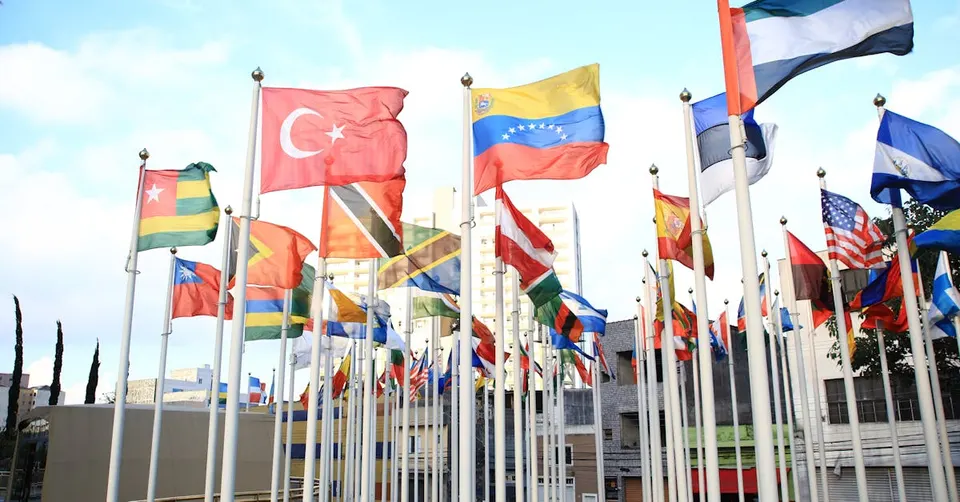
For the Iranian populace, these diplomatic efforts carry significant weight, promising potential avenues for increased trade, investment, and technological exchange. Strengthening relationships within BRICS could help mitigate the impact of ongoing sanctions, open new markets for Iranian goods, and enhance the country's diplomatic leverage on the global stage. This strategic pivot towards a multipolar world is not merely about political alignment; it's about actively shaping an alternative economic and security architecture that offers Iran greater autonomy and opportunities in a rapidly evolving international landscape. It represents a proactive approach to navigating complex global challenges and forging new alliances that serve national interests.
Frequently Asked Questions
What is the significance of the USS Gerald R. Ford's return?
How does the AUKUS submarine base debate affect Australia and the region?
What is Iran's objective in engaging with BRICS and calling for global governance reform?
How do global geopolitical developments, like the USS Ford's deployment or AUKUS, impact Iran's economy?
What was the market's reaction to these overnight developments?
BRICS Expansion and Its Geopolitical Implications
The BRICS grouping—Brazil, Russia, India, China, and South Africa—started in 2009 as a loose association of emerging economies that together accounted for about 40% of the world’s population and a similar share of global GDP. Over the past decade the bloc has moved beyond pure economic coordination toward a more political stance, creating institutions such as the New Development Bank and the Contingent Reserve Arrangement to offer alternatives to Western‑led financial mechanisms like the IMF and World Bank. This evolution reflects a desire among members to reshape global governance and reduce dependence on the dollar‑centric system.
In 2023 the BRICS leaders opened membership to new countries, signaling a strategic shift from a purely economic club to a broader geopolitical alliance. Nations such as Saudi Arabia, Argentina, and Iran have expressed interest, attracted by promises of trade in local currencies, investment projects, and a platform to voice dissent against what they perceive as Western hegemony. Iran’s overtures are especially noteworthy because they come amid heightened tensions with the United States and a renewed focus on regional security in the Middle East.
For Iran, joining BRICS could provide several tangible benefits. Economically, it would grant access to financing that bypasses sanctions‑prone Western channels, potentially easing the strain on its oil exports and enabling infrastructure development. Politically, membership would place Tehran alongside other major powers that are willing to challenge the United Nations Security Council’s status quo, offering a diplomatic counterweight to U.S. pressure in the region. The move also aligns with Tehran’s broader foreign‑policy pivot toward non‑Western partners, as seen in its growing ties with Russia and China.
However, BRICS expansion also carries risks. The bloc lacks a unified foreign‑policy agenda, and internal disagreements—particularly between Russia and India or China and Brazil—can limit its effectiveness as a cohesive counterbalance to the West. Moreover, the inclusion of countries with strained relations with the United States may provoke further sanctions or diplomatic backlash, potentially complicating the economic calculations that initially motivate membership. Understanding the dynamics of BRICS therefore provides a window into how emerging powers are reshaping the international order and why states like Iran view the grouping as a new avenue for influence.
Topics
Related Articles