Global Markets Shudder as Oil Hits $111: The $25 Billion Cost of Regional Tension
لرزه بر اندام بازارهای جهانی با نفت ۱۱۱ دلاری؛ هزینه ۲۵ میلیارد دلاری تنشهای منطقهای
While Sydney trials a future of quiet electric ferries, the rest of the world is paying a $25 billion bill for the ongoing Middle East crisis. With Brent crude breaching $111 and Bitcoin slipping below $77,000, the 'inflation tax' of regional conflict is hitting portfolios from Wall Street to Tehran.
At time of publishing
USD
180,400
Toman
Gold 18K
19.84M
Toman / gram
Bitcoin
$76,884
US Dollar
Tether
18,099.4
Toman
Market Open — Toman Stability Meets Global Volatility
Good morning from the Arzbin desk. As Tehran wakes up this Monday, the local currency and gold markets are showing a rare moment of stillness in a sea of global turbulence. The US Dollar (USD/IRR) is holding steady at 180,400 Toman, showing no change (0.0%) over the last 24 hours. Similarly, the benchmark Gold 18k per gram remains fixed at 19,839,558 Toman, and the Emami coin reflects this local equilibrium at 194,500,000 Toman. While the local numbers suggest a pause, the underlying global sentiment is anything but calm.
Outside our borders, the energy and crypto markets are screaming. Brent crude has surged past $111 per barrel, driven by renewed drone strikes in the region and a lack of diplomatic breakthroughs. This spike in energy costs is casting a long shadow over the Iranian market's opening hours, as traders weigh the stability of the Toman against the rising tide of global inflation. Bitcoin has reacted poorly to these macro pressures, slipping below the $77,000 mark as investors flee to safer havens.
The $25 Billion Bill: The Real Cost of Regional Stalemate
While headlines often focus on geopolitical rhetoric, the cold, hard math of the current Middle East crisis is finally coming into view. A bombshell report from Reuters indicates that the ongoing conflict involving the U.S., Israel, and Iran has already cost global businesses a staggering $25 billion. This isn't just a theoretical loss; it represents real defensive actions taken by 279 major corporations—ranging from price hikes to production cuts and even the suspension of dividends—to cushion the blow from soaring energy prices.
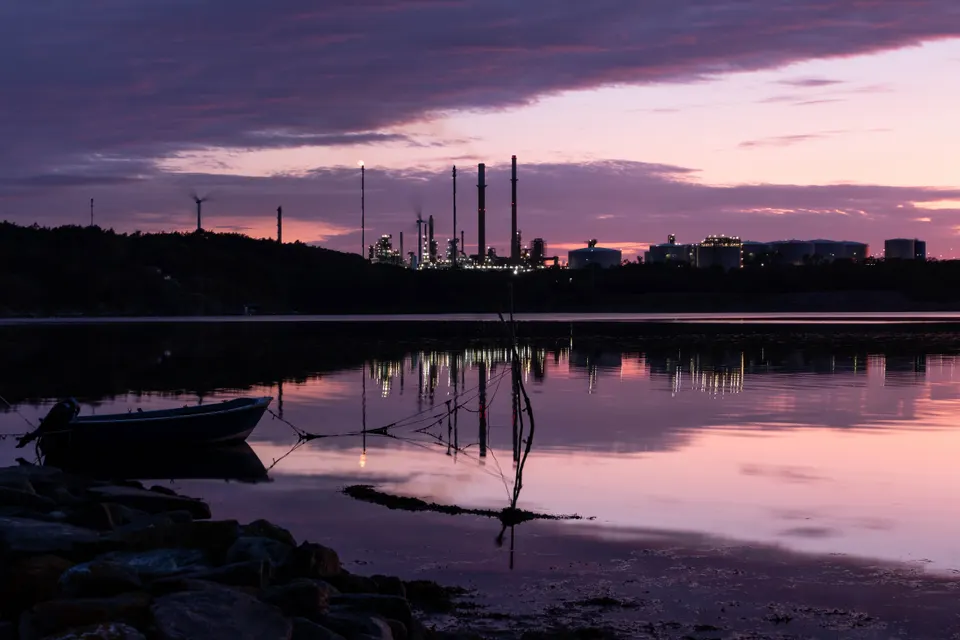
The economic contagion is spreading through supply chains faster than expected. With Brent crude breaking $111 and WTI trading at $108.20, the 'energy tax' on global commerce is intensifying. For the Iranian reader, this is a double-edged sword: while higher oil prices theoretically benefit the national budget, the resulting global inflation and heightened regional risk premiums make imports more expensive and keep the threat of further sanctions-related volatility high on the horizon.
Sydney’s Electric Dream vs. The Global Oil Reality
In a striking contrast to the smoke and fire of the energy markets, Sydney has announced it will finally move forward with a trial for a 24-meter battery-electric ferry. Though the project faced a two-year delay, the New South Wales government has signed contracts for a 12-month trial starting in 2028. This 'quieter and cleaner' alternative is slated to serve the iconic Sydney Fish Market by 2029. It serves as a poignant reminder of where the world wants to go—a future decoupled from the volatility of fossil fuels.
However, for now, that future remains a distant shore. The delay in Sydney’s project mirrors the broader global struggle to transition away from oil while regional conflicts continue to dictate market terms. While electric ferries in Australia represent a niche technological shift, they underscore the long-term pressure on oil-dependent economies. For Iran, the message is clear: the global race toward decarbonization continues, even if the current geopolitical mess has temporarily made oil the most precious commodity on the planet.

Crypto Bleeds as Trump’s Rhetoric and Inflation Fears Collide
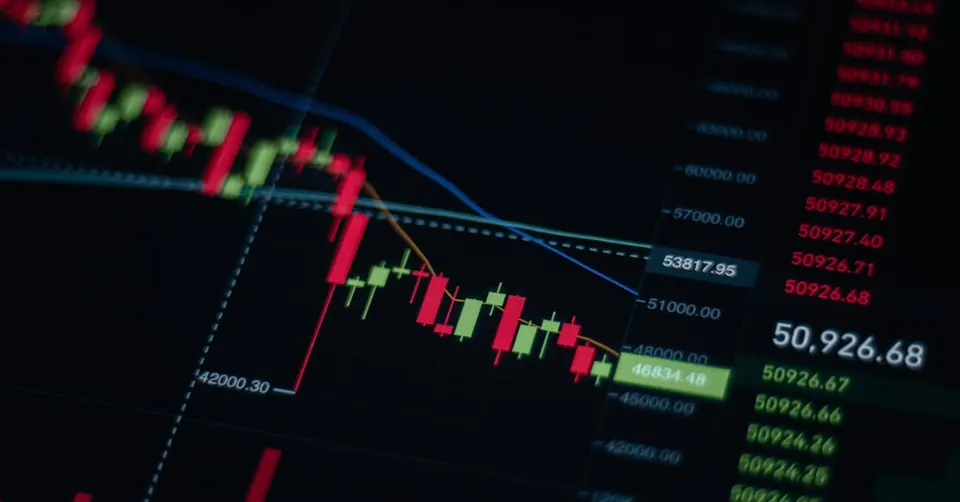
The digital asset market is currently the 'canary in the coal mine' for global risk appetite. Bitcoin has dropped below the critical $77,000 threshold, triggered by a combination of Donald Trump’s renewed threats regarding Iran and mounting fears that high oil prices will force the Federal Reserve to keep interest rates higher for longer. This 'risk-off' environment led to $563 million in liquidations over the last 24 hours, with Ethereum and Bitcoin holders bearing the brunt of the sell-off.
Inside Tehran, the 36th Regional Planning Council of the Economic Cooperation Organization (ECO) is convening to discuss regional trade and cooperation. This meeting is a strategic attempt to build economic resilience amidst the global storm. For the average Iranian investor, the lesson is one of diversification. As global yields rise and crypto slips, the importance of monitoring both regional diplomatic efforts like the ECO and the aggressive rhetoric from Washington has never been higher. The stalemate in the 'Iran war' narrative is keeping markets stuck in a high-volatility loop that demands a cautious approach to any new positions today.
Frequently Asked Questions
Why did Bitcoin drop below $77,000 today?
How is the $25 billion cost of the Middle East crisis calculated?
Is the Toman affected by the surge in global oil prices?
Understanding the Geopolitical Risk Premium in Oil Markets
When headlines speak of global markets shuddering as oil prices surge due to regional tensions, they are often referring to the concept of a Geopolitical Risk Premium. This isn't just about the immediate supply and demand of oil; it's an additional cost built into the price of crude oil (and other commodities) that reflects the market's perception of potential future disruptions stemming from political instability, conflicts, or major policy shifts in key producing or transit regions.
This premium arises from the inherent uncertainty surrounding geopolitical events. Even if current oil production isn't directly affected, the threat of future supply interruptions – perhaps due to conflict escalating, shipping lanes being blocked, or infrastructure being targeted – prompts traders, refiners, and investors to factor in a higher price. This fear-driven component can be significant, sometimes adding several dollars per barrel, and it can fluctuate wildly with every new development in a crisis zone. It's a form of insurance cost that the market bakes in against potential future chaos.
The mechanism behind the geopolitical risk premium involves various market behaviors. Speculators might buy oil futures, anticipating higher prices if tensions worsen. Companies might increase their inventories to hedge against potential shortages. Shipping costs and insurance premiums for tankers operating in high-risk areas can also rise, further contributing to the overall cost of oil. This collective response, driven by risk aversion and the desire to secure future supply, pushes prices upward well beyond what current physical supply-demand fundamentals might suggest.
The impact of a significant geopolitical risk premium on oil prices is far-reaching. Higher energy costs translate into increased expenses for businesses, from transportation to manufacturing, and directly affect consumers through higher fuel prices and, subsequently, inflation. This can dampen economic growth, erode purchasing power, and contribute to broader market volatility, extending beyond oil to other assets like stocks and even cryptocurrencies, as investors seek safer havens or react to the overall economic uncertainty. Understanding this premium is crucial for deciphering why global markets react so strongly to political developments in oil-rich regions, even before any actual barrels of oil are taken off the market.
Topics
Related Articles