Hormuz Thaw? Trump Claims Peace Deal 'Largely Negotiated' as Pakistan Steps in as Mediator
یخزدایی در هرمز؛ ادعای ترامپ درباره توافق «تقریباً نهایی» و میانجیگری پاکستان
A diplomatic bombshell overnight as Donald Trump claims a deal with Iran is nearly finalized, while Pakistan prepares to host historic peace talks. As the UK prepares to clear mines from the Strait of Hormuz, markets are reacting to the most significant shift in regional geopolitics in years.
At time of publishing
USD
177,500
Toman
Gold 18K
19.20M
Toman / gram
Bitcoin
$76,742
US Dollar
Tether
167,230
Toman
Market Open — Tensions vs. Technicals
Good morning from the Arzbin desk. This Sunday morning, the Tehran market is opening with a complex mix of geopolitical optimism and local liquidity pressure. The US Dollar (USD/IRR) has edged up slightly, rising from 176,100 to 177,500 Toman, a 0.8% increase over the last 24 hours. This modest climb suggests that while international headlines are buzzing with peace talk rumors, the local demand for hard currency remains persistent as traders hedge against the finality of these diplomatic claims.
In the gold sector, we are seeing a notable divergence. While the 18k gold gram remains stagnant at 19,204,487 Toman (0.0% change), the Emami coin has seen a sharp correction, falling from 189,000,000 to 185,000,000 Toman, a significant 2.1% drop. This suggests a cooling of the speculative 'bubble' premium in the coin market. Meanwhile, Bitcoin is hovering around the $76,742 mark, attempting to find a floor after the volatility of the past week. The global gold ounce stands at a staggering $4,510.50, reflecting the long-term inflationary environment of 2026.
Trump’s 'Largely Negotiated' Deal and the Pakistani Bridge
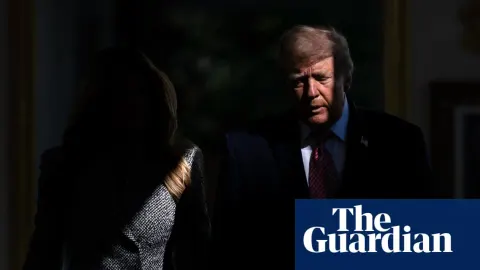
The biggest story globally over the last 12 hours is the sudden acceleration of US-Iran diplomacy. Former President Trump claimed late Saturday that a deal with the Islamic Republic is "largely negotiated," specifically mentioning the reopening of the Strait of Hormuz as a core component of the agreement. This was followed closely by a statement from Pakistani Prime Minister Shehbaz Sharif, who expressed hope that Islamabad would host formal peace talks "very soon." The involvement of Pakistan as a neutral ground suggests a serious logistical shift from mere rhetoric to actual diplomatic infrastructure.
However, the road to peace remains littered with obstacles. Even as these claims surfaced, the situation on the ground in Lebanon remains volatile, with reports of an Israeli strike destroying a civil defense facility in Nabatieh. This contrast between high-level diplomatic optimism and continued regional kinetic action is why the Iranian Rial hasn't seen a massive rally yet. Professional traders are waiting for a "signature on paper" rather than just social media posts or verbal claims from world leaders. If the talks in Pakistan materialize, we could see a fundamental repricing of risk in the Tehran market.
Clearing the Path: Britain Prepares for a Post-Blockade Hormuz
In a move that signals the West is taking the possibility of a deal seriously, British forces at Gibraltar are reportedly preparing a mission to deploy autonomous mine-hunting equipment. The objective is clear: if a peace agreement is finalized, the Strait of Hormuz must be cleared of any maritime threats to allow the free flow of global oil and gas. This isn't just a military exercise; it is a massive economic signal. The closure of the Strait has forced countries like Norway to double down on fossil fuel production to save Europe from an energy collapse, and a reopening would fundamentally shift global energy prices.
For the Iranian reader, the reopening of the Strait and the clearing of mines mean more than just safe shipping; it represents the potential return of normalized oil exports and a reduction in the "sanction premium" on every imported good. The UK's readiness to assist in this technical capacity suggests that the "Largely Negotiated" claim by Trump might have more substance behind the scenes than skeptics initially thought. It indicates a coordinated international plan to reintegrate the Persian Gulf into the global supply chain, provided the diplomatic hurdles are cleared.
Bitcoin’s Identity Crisis: Peace Rally or 2026 Lows?
Crypto markets are currently caught in a tug-of-war. On one hand, Bitcoin rose slightly to $76,742 following Trump’s announcement, as crypto is often viewed as a "freedom asset" that thrives on deregulation and trade. On the other hand, seasoned analysts are warning that the current price is still nearly 40% below the all-time high of $126,000 reached in late 2025. There is a very real fear that if the peace deal fails to deliver concrete results, BTC could crash back to the $60,000 level, revisiting the lows we saw earlier this year.

The broader market context is also heavy. The European Central Bank has recently warned that easing rules on stablecoins could weaken the entire banking system, adding a layer of regulatory pressure. For Iranians using Tether (USDT) as a primary tool for capital preservation, this volatility is a double-edged sword. While the Toman price of USDT remains high at 167,230, the underlying asset's global stability is being questioned by central banks. Today’s market is not for the faint of heart; it requires a balance of geopolitical hope and cold, hard technical analysis.
Frequently Asked Questions
Why is the Emami coin falling despite the dollar rising?
What does Pakistan's involvement as a mediator mean for the talks?
Is the $60,000 Bitcoin forecast realistic?
Why is the UK preparing mine-hunters for the Strait of Hormuz?
The Geopolitical Lifeline: Understanding the Strait of Hormuz
The Strait of Hormuz is a narrow, strategically vital waterway connecting the Persian Gulf to the Arabian Sea and the broader Indian Ocean. At its narrowest point, it is only about 21 nautical miles (39 kilometers) wide, with shipping lanes just two miles wide in either direction. Despite its modest size, this chokepoint is arguably the most important maritime oil transit point in the world, making it a focal point of international energy security and geopolitical tension.
Economically, the Strait of Hormuz is indispensable. An estimated one-fifth of the world's total petroleum consumption, and roughly one-third of the world's liquefied natural gas (LNG), passes through this strait daily. Countries like Saudi Arabia, Iran, Iraq, Kuwait, Qatar, and the UAE rely on it to export their vast hydrocarbon resources to global markets. Any disruption, even a temporary one, can send shockwaves through international oil and gas prices, impacting economies worldwide and highlighting its critical role in global energy supply chains.
Geopolitically, the Strait has long been a flashpoint, particularly due to its proximity to Iran, which controls its northern coast. The potential for naval blockades, mine-laying operations, or other forms of interference poses a constant threat to international shipping and stability in the region. This strategic vulnerability necessitates a significant military presence from various global powers, including the United States and its allies, to ensure the freedom of navigation and protect vital trade routes. Historical incidents, from tanker wars to recent seizures, underscore the fragility of peace in this crucial maritime corridor.
Therefore, any discussions of peace deals or de-escalation between major powers like the US and Iran inherently involve the security of the Strait of Hormuz. A stable and open Strait is not just beneficial for regional players but is a prerequisite for global economic stability. Understanding its profound economic and geopolitical significance is key to grasping the stakes in any diplomatic efforts aiming to reduce tensions in the Middle East.
Topics
Related Articles