Peace on the Horizon? Oil Tumbles as U.S.-Iran Deal Nears Completion and Hormuz Reopens
نفس راحت بازارها؛ سقوط قیمت نفت در پی زمزمههای نهایی شدن توافق ایران و آمریکا
Global energy markets are in a tailspin this morning as reports suggest a breakthrough in U.S.-Iran negotiations. With the Strait of Hormuz poised to reopen and oil prices slipping below $100, the geopolitical landscape is shifting faster than traders can keep up.
At time of publishing
USD
174,100
Toman
Gold 18K
19.05M
Toman / gram
Bitcoin
$77,301
US Dollar
Tether
175,299
Toman
Market Open — Stability Amidst Global Shifts
Good morning. As of 09:30 Tehran time, the domestic market is holding its breath. The US Dollar (USD/IRR) remains flat at 174,100 Toman, showing no change over the last 24 hours. Similarly, 18k gold is trading at 19,052,356 Toman per gram, mirroring the dollar's stability. However, the coin market is showing signs of life; the Emami coin has jumped to 188,000,000 Toman, a 1.6% increase from yesterday's 185,000,000.
In the digital realm, Bitcoin continues its strong performance at $77,301, while Tether (USDT) is slightly premium at 175,299 Toman. The global gold ounce is hovering at a staggering $4,554.70, reflecting a world that is still hedging against long-term uncertainty despite the overnight diplomatic breakthroughs. Iranian investors seem to be cautiously optimistic, with the rise in coin prices suggesting a local hedge against any potential volatility as the week unfolds.
The Big Breakthrough: Hormuz Reopening and the Peace Deal
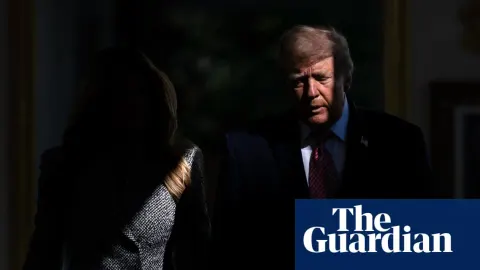
The single most significant story overnight is the palpable progress toward a U.S.-Iran peace deal. Reports from the BBC and New York Times indicate that a formal agreement to end the current state of hostilities is closer than ever. President Trump stated on Saturday that the deal would include the full reopening of the Strait of Hormuz, a move that would restore one of the world's most vital energy arteries to full capacity. While a senior U.S. official cautioned that it could still take "days to nail down," the principle of the agreement is reportedly set.
Beyond the shipping lanes, the deal hinges on two major pillars: the reopening of maritime trade and Iran’s commitment to disposing of its highly enriched uranium. This is a massive shift in regional dynamics. For the Iranian reader, this means a potential easing of the suffocating sanctions regime and a return to more predictable trade cycles. However, the "no rush" rhetoric from the White House suggests that while the finish line is in sight, the final lap will involve intense technical and political maneuvering.
Energy Markets React: Oil Plunges Below $100
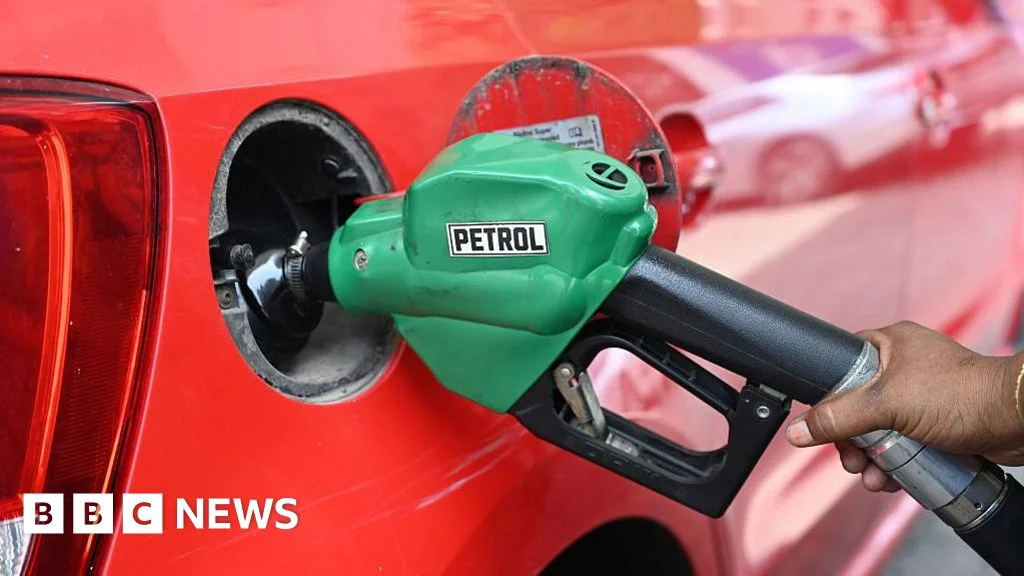
The mere hint of peace has sent shockwaves through the energy sector. Brent crude has plummeted by over 5%, breaking back below the psychological $100 barrier to trade at $98.27, while WTI has slid to $91.63. This is a direct reaction to the prospect of Iranian oil returning to the global market and the removal of the "war premium" that has kept prices elevated. Traders are pricing in the sudden influx of supply and the reduction of risk in the Persian Gulf.

This price collapse is a double-edged sword. While lower energy costs could cool global inflation, the volatility is creating a headache for institutional investors. Interestingly, the market's optimism was slightly tempered on Sunday when President Trump posted on social media that he had instructed his team "not to rush." This created a brief bounce in prices, but the overall trend remains bearish as the reality of a reopened Hormuz becomes the dominant narrative. For the global economy, this could be the cooling mechanism needed to prevent a recession.
Global Oversight: France’s Child Abuse Scandal and Regional Ties
Away from the oil markets, a massive social scandal is rocking France. Paris police are investigating over 100 allegations of child abuse and sexual assault involving school staff at state nursery and primary schools. The scandal has sparked nationwide outrage, with parents' groups accusing the government of ignoring years of warnings. This story highlights a growing crisis of institutional trust in Europe, which may have long-term political consequences for the French administration as they face a public that feels betrayed by the very systems designed to protect the most vulnerable.
Meanwhile, in a symbolic gesture of solidarity, Nicaragua has named a street in the city of Corinto "Minab Angels" to honor Iranian schoolchildren. While geographically distant, this move underscores the continuing strength of Iran's diplomatic ties in Latin America. Simultaneously, U.S. Secretary of State Marco Rubio has been in New Delhi trying to mend ties with India, which have been strained by aggressive trade policies. These shifting alliances show a world in a state of flux, where old partnerships are being tested and new symbolic gestures are taking center stage.
Frequently Asked Questions
Why did oil prices drop below $100 today?
What are the main conditions of the reported U.S.-Iran deal?
How has the Iranian domestic market reacted to the peace rumors?
What is the significance of the France child abuse scandal?
The Strategic Importance of the Strait of Hormuz in Global Oil Markets
The Strait of Hormuz is one of the world's most critical maritime chokepoints, a narrow waterway connecting the Persian Gulf to the Arabian Sea and the broader Indian Ocean. Its strategic significance stems from the fact that a substantial portion of the world's seaborne oil and liquefied natural gas (LNG) passes through it daily. For decades, geopolitical tensions in the region, particularly involving Iran, have kept the Strait under constant scrutiny, making it a focal point for global energy security concerns. Any perceived threat to its navigability can send shockwaves through international energy markets.
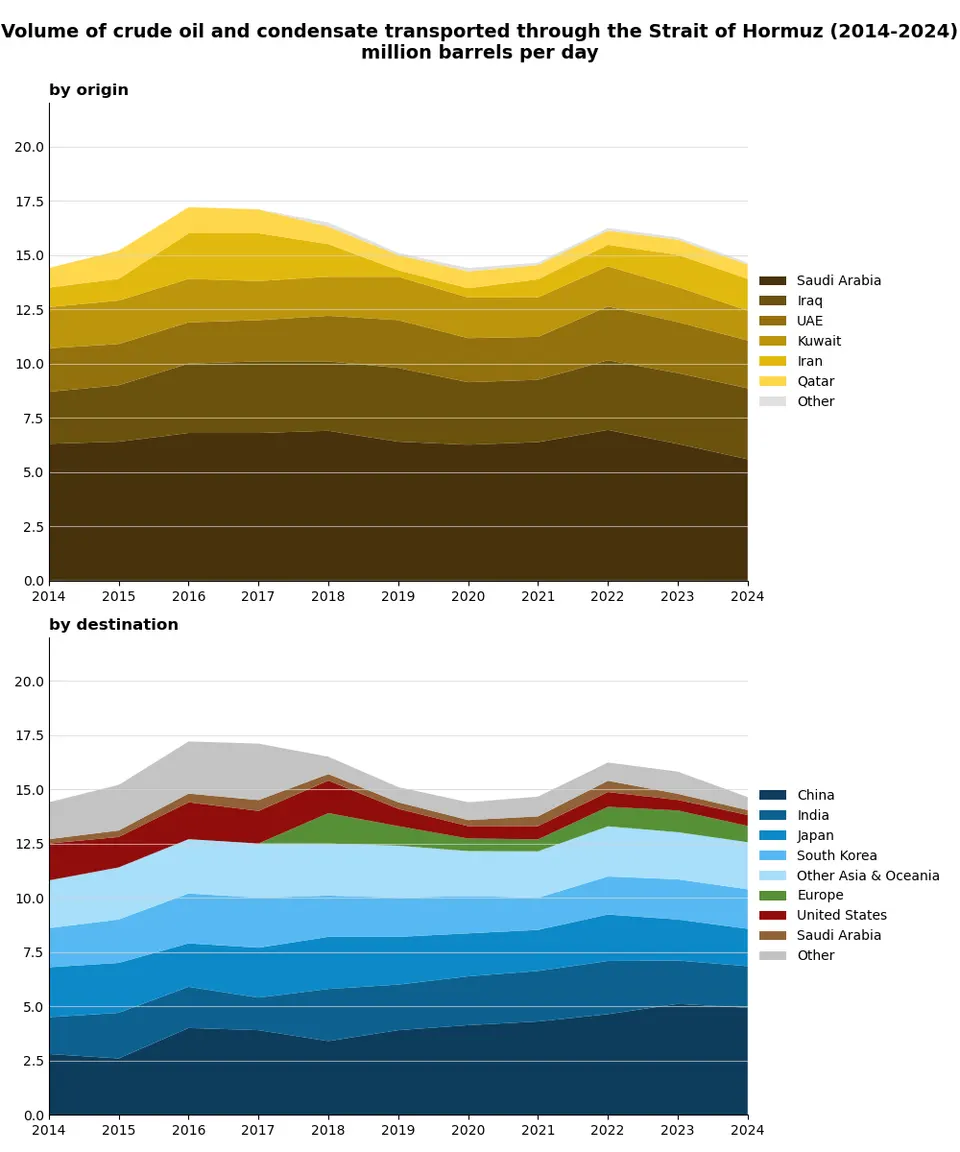
Roughly one-fifth of the world's total petroleum consumption, and about one-third of all seaborne-traded oil, transits through the Strait of Hormuz. This includes nearly all oil exports from Saudi Arabia, Iran, Iraq, Kuwait, Qatar, and the UAE. Given these immense volumes, the Strait's closure or even the credible threat of disruption would immediately constrain global supply, leading to sharp spikes in crude oil prices. Conversely, a de-escalation of tensions or a significant diplomatic breakthrough, such as a U.S.-Iran deal, can reduce the "geopolitical risk premium" embedded in oil prices, signaling increased stability and potentially smoother transit, thus pushing prices downwards.
The headline's mention of an "Oil Tumbles" scenario linked to a "U.S.-Iran Deal Nears Completion and Hormuz Reopens" perfectly illustrates this principle. A diplomatic resolution would likely mean a reduction in the likelihood of naval confrontations or blockades, assuring the continuous flow of oil. This increased confidence in supply, combined with the potential return of Iranian oil to global markets if sanctions are eased, directly impacts the supply-demand balance. The market anticipates greater availability of crude, leading to a downward adjustment in prices, as seen with Brent crude potentially falling below $100.
Understanding the Strait of Hormuz's role is crucial for grasping how geopolitical events directly translate into economic consequences on a global scale. It highlights the interconnectedness of international relations, energy policy, and daily economic realities, from fuel prices at the pump to the fiscal health of oil-dependent nations.
Topics
Related Articles