Hormuz Under Pressure: US Strikes Hit Iran’s Coast as Internal Fray Deepens for Putin
تنش در هرمز؛ حملات موشکی آمریکا به سواحل ایران همزمان با تزلزل در کرملین
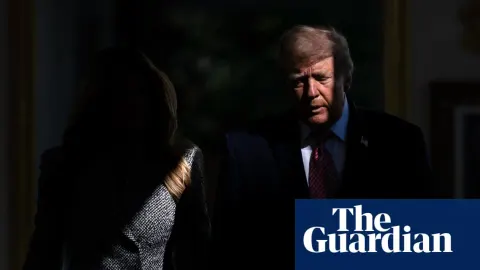
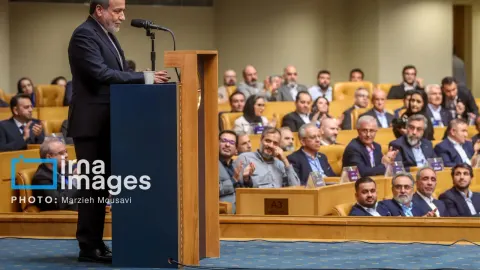
As diplomats gather in Doha for critical peace talks, US Central Command has launched strikes on Iranian missile sites. Meanwhile, reports from Moscow suggest the 'unwritten contract' between Putin and the Russian elite is beginning to fracture.
At time of publishing
USD
173,000
Toman
Gold 18K
19.14M
Toman / gram
Bitcoin
$76,776
US Dollar
Tether
173,827
Toman
Market Open — The Rial’s Calculated Calm
The Tehran market opened this Tuesday morning with a surprising degree of resilience despite the overnight military escalations. The US Dollar (USD/IRR) saw a marginal decline, moving from 173,600 to 173,000 Toman, a decrease of 0.3%. This suggests that local traders had already priced in a certain level of regional friction, or perhaps they are placing their bets on the success of the ongoing diplomatic efforts in Qatar rather than the kinetic actions on the coast.
Gold and coinage remain remarkably steady. The 18k gold gram is holding firm at 19,141,234 Toman, showing 0.0% change over the last 24 hours, while the Emami coin remains anchored at 184,500,000 Toman. In the digital space, Bitcoin is showing signs of fatigue, stalling near the $76,776 mark. For the Iranian investor, this stability in the face of headlines is a 'wait-and-see' signal; the market is holding its breath for the outcome of the Doha summit before committing to a clear directional break.
The Kremlin’s Fraying Contract — Why Putin’s Unease Matters
As we move into mid-2026, the geopolitical landscape is shifting under the feet of Vladimir Putin. When the invasion of Ukraine began four years ago, the Russian leadership promised a quick resolution and a new era of dominance. Today, the reality is a scaled-down victory parade in Moscow and a stuttering economy that is starting to alienate even the most loyal elites. This 'unwritten contract'—where the public and the oligarchs trade political freedom for stability and national pride—is now under immense pressure as Ukrainian drones reach the capital and military hardware remains scarce.
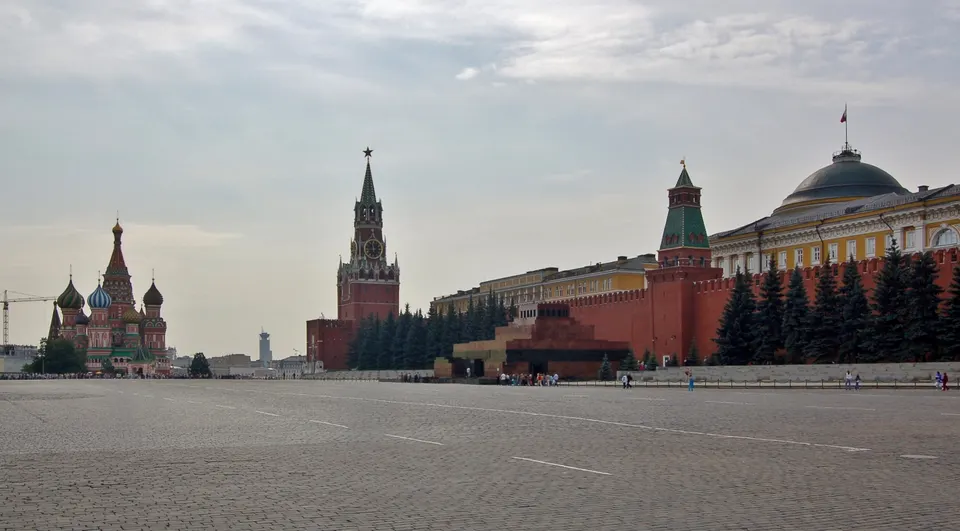
For Iran, the stability of the Russian regime is more than just a diplomatic curiosity. As Tehran has pivoted significantly toward the East, any internal fracturing in Moscow could weaken a key strategic and economic partner. If the Russian elites begin to prioritize their own survival over the current geopolitical alignment, the 'Eastward' axis that Iran relies on for sanctions-evasion and military cooperation could face its most significant challenge yet. This internal unease in Russia is the silent variable that could redefine regional power balances by the end of the year.
Diplomacy Under Fire — US Strikes vs. Qatar Talks
In a stark display of 'coercive diplomacy,' US Central Command launched targeted strikes against missile sites and naval assets on Iran’s southern coast just as senior Iranian negotiators arrived in Doha. The US claims these actions were taken in 'self-defense' to protect shipping lanes, while Tehran’s representatives in Qatar continue to engage in talks aimed at ending the protracted regional conflict. This paradox—bombs falling while pens are moving—highlights the extreme tension of the current peace process.
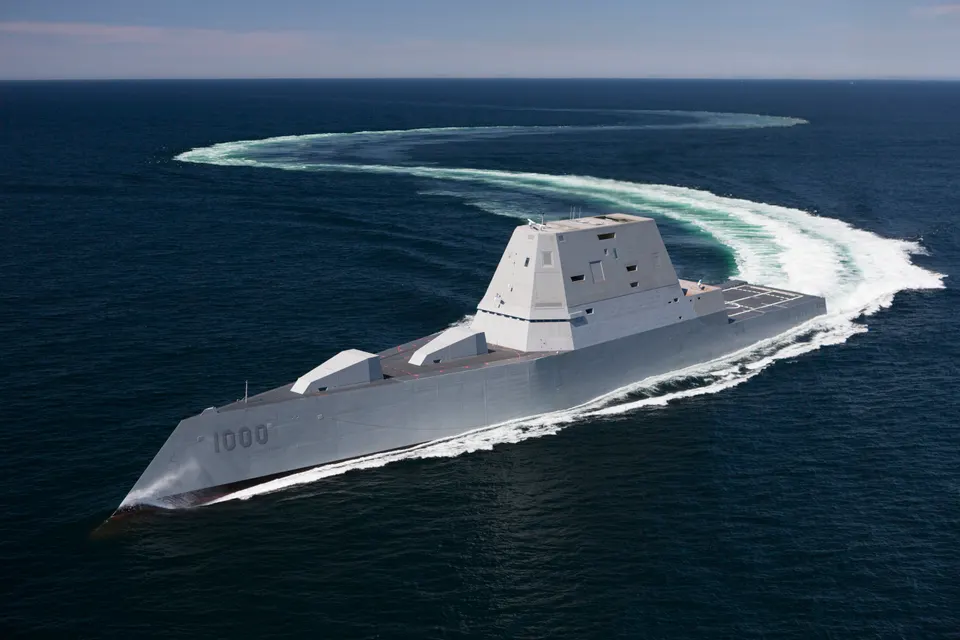
Tehran’s response has been one of 'resolute support' for its regional allies, with officials like Ebrahim Rezaei warning that 'time is against the Americans.' The rhetoric from the Iranian Parliament suggests that if the US continues to use force as a bargaining chip, the response could involve economic levers, specifically pointing to the possibility of '$6 gas' for Western consumers. This economic threat is a reminder that while the military strikes are localized, the consequences of a failed negotiation in Qatar would be felt globally at every fuel pump and in every supply chain passing through the Strait of Hormuz.
Markets in Flux — Oil Spikes and Crypto Stalls
The immediate reaction to the strikes was felt most acutely in the energy markets. Brent crude, which had plunged 7% on Monday due to peace deal optimism, jumped back toward $98.39 as the reality of the strikes hit trading screens. This volatility underscores the 'Hormuz Risk' that remains the primary driver of global inflation. Investors are caught in a whipsaw between the hope of a reopened strait and the fear of a broader military escalation that could keep oil above $100 for years.
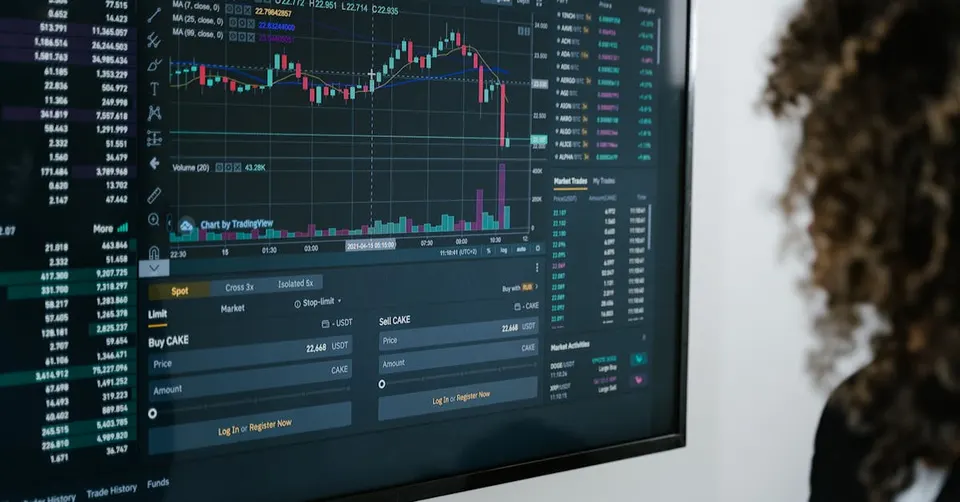
In the crypto markets, the 'digital gold' narrative for Bitcoin is being tested. BTC is currently trading at $76,776, failing to capitalize on the geopolitical chaos as a safe-haven asset. Instead, we are seeing a 'macro wait-and-see' approach where traders are de-risking into stablecoins like USDT (currently at 173,827 Toman). Privacy tokens like ZEC and XMR have also slipped, suggesting that the initial shock of the Middle East tension is causing a general retreat from risk rather than a flight to decentralized alternatives. For the Iranian crypto holder, the priority remains monitoring the USDT/IRR spread, which often acts as the first responder to overnight news.
Frequently Asked Questions
Why did the US launch strikes during diplomatic negotiations in Qatar?
How does the internal situation in Russia affect the Iranian economy?
Why is the Rial stable despite military escalations?
The Strategic Chokepoint: Why the Strait of Hormuz Matters
The Strait of Hormuz is a narrow waterway that links the Persian Gulf with the Gulf of Oman and the wider Indian Ocean. At its narrowest point it is only about 21 nautical miles (39 km) wide, making it one of the world’s most constrained maritime passages. Because the strait sits between the oil‑rich nations of Iran, Iraq, Kuwait, Saudi Arabia and the United Arab Emirates, it has become the primary conduit for the bulk of the region’s hydrocarbon exports.
Despite its modest size, roughly 20‑30 % of the world’s daily oil consumption passes through the Hormuz corridor. In 2023, the International Energy Agency estimated that about 21 million barrels per day of crude and petroleum products transit the strait, a figure that spikes during periods of heightened geopolitical tension. This concentration of flow gives the waterway outsized influence over global oil prices; any perceived threat to safe passage can trigger sharp price spikes on the spot markets.
The strategic importance of Hormuz has repeatedly translated into military posturing. The United States Central Command (CENTCOM) has maintained a naval presence in the region for decades, and in May 2026 a series of precision strikes against Iranian targets on the Iranian coast were launched from carrier groups operating near the strait. Those actions, coupled with Iran’s threats to close the passage, sent immediate ripples through the oil market, lifting Brent crude by several dollars per barrel within hours. Historical flashpoints—such as the 2019 tanker attacks and the 2020 drone incidents—demonstrate how quickly a localized confrontation can reverberate through global supply chains.
Beyond the immediate security calculus, the strait’s status influences diplomatic initiatives. The Doha (Qatar) peace talks, aimed at de‑escalating the broader Iran‑U.S. confrontation, often reference the need to keep Hormuz open for commercial shipping. Negotiators understand that a stable Hormuz is a prerequisite for any lasting settlement, as it underpins not only regional economies but also the broader stability of the global energy market.
For investors and policymakers, the health of the Hormuz corridor is a barometer for several financial variables: the USD/IRR exchange rate, the price of oil‑linked assets, and even the appetite for alternative stores of value such as Bitcoin in Iran. When the strait is under threat, Iranian rial volatility typically rises, prompting some Iranians to turn to cryptocurrencies as a hedge. Thus, the Strait of Hormuz is more than a geographic pinch point; it is a linchpin that connects geopolitics, energy economics, and financial markets.
Topics
Related Articles