Israel-Hezbollah Ceasefire Holds Amidst Iran Talks Disruption
آتشبس اسرائیل و حزبالله در بحبوحه اختلال در مذاکرات ایران
Overnight, a fragile ceasefire between Israel and Hezbollah was renewed following intense clashes that disrupted crucial Iran talks. This delicate de-escalation impacts regional stability and influences global market sentiment, particularly for oil prices and investor confidence.
At time of publishing
USD
158,950
Toman
Gold 18K
15.92M
Toman / gram
Bitcoin
$63,601
US Dollar
Tether
160,523
Toman
Market Open — A Cautious Start
The Iranian Rial experienced a slight uptick overnight, with the USD/IRR pair moving from 158,750 to 158,950, marking a modest 0.1% increase. This suggests a degree of stability, though the broader regional tensions could introduce volatility throughout the day. Gold gram prices remained flat, holding steady at 15,918,324 Toman, indicating no significant shifts in its safe-haven appeal. However, the Emami coin saw a notable surge of 1.6%, climbing to 163,000,000 Toman, hinting at a localized demand or a broader sentiment shift within the domestic market.
Bitcoin, the leading cryptocurrency, traded at $63,601, showing a slight downward pressure from its previous day's performance, though a specific 24-hour delta was not provided in the current snapshot. The broader crypto market is often sensitive to geopolitical developments, and the renewed ceasefire in Lebanon, coupled with the disruption of Iran talks, adds a layer of uncertainty that could impact digital asset prices. Investors will be closely watching for any escalation or de-escalation on the ground, as this will likely dictate risk appetite across all asset classes.
---
Israel-Hezbollah Ceasefire Renewed Amidst Disrupted Iran Talks
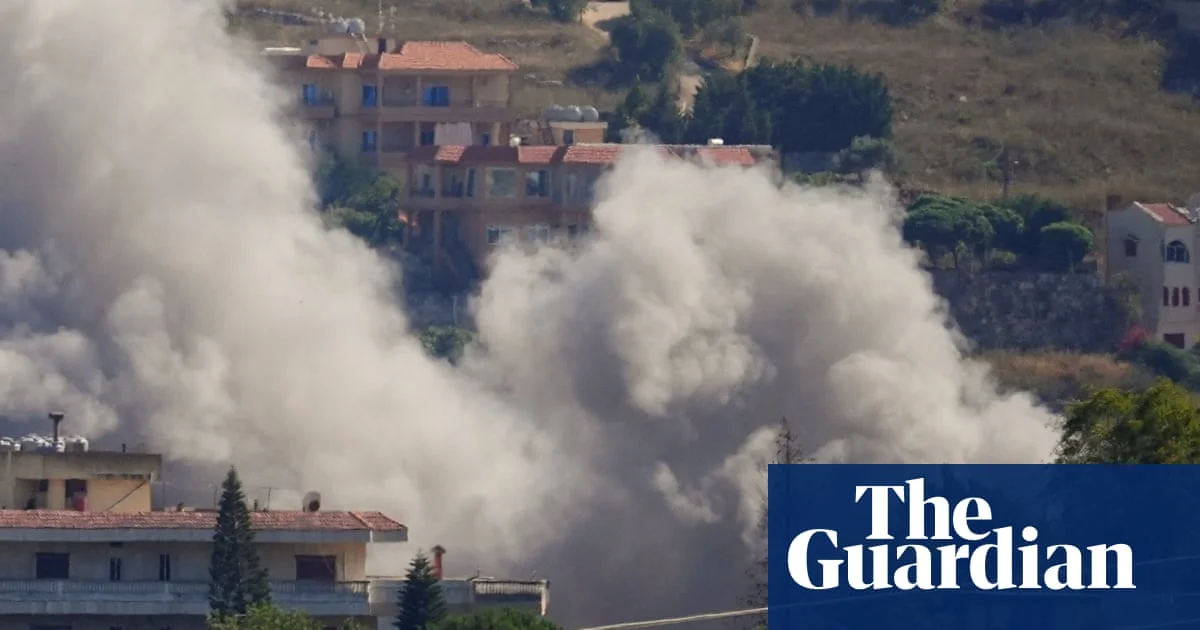
A fragile ceasefire between Israel and Hezbollah was renewed on Friday after a tense 24-hour period of intense violence that threatened to derail crucial diplomatic efforts. The clashes, which saw Hezbollah claim responsibility for killing four Israeli soldiers and Israel respond with a wave of airstrikes across southern Lebanon and the Bekaa Valley, resulted in significant casualties, with reports indicating at least 47 deaths on the Lebanese side. This flare-up directly disrupted a scheduled meeting in Switzerland between the United States and Iran, intended to discuss the implementation of a new peace deal. The violence underscored the delicate nature of the current regional security landscape and the persistent challenges in maintaining stability.

The immediate cause of the renewed violence appears to be a response to ongoing Israeli military operations in Lebanon, which Hezbollah vowed to retaliate against. The timing, however, is particularly sensitive given the ongoing diplomatic push for de-escalation and the scheduled talks. The disruption of these high-level discussions raises concerns about the pace and effectiveness of the peace process. For Iran, the implication is a potential setback in its efforts to normalize relations and ease international pressure, which could indirectly affect its economic outlook and currency stability. The continued presence of Israeli troops in Lebanon, as indicated by an ambassador, also suggests that the underlying tensions remain unresolved, setting the stage for potential future confrontations.
---
Regional Instability's Ripple Effect on Markets and Diplomacy
The renewed ceasefire, while a temporary reprieve, highlights the volatile geopolitical environment that continues to impact global markets. The Middle East remains a critical nexus for energy supply routes, and any significant escalation in conflict can send shockwaves through oil prices and financial markets worldwide. While the direct impact on the Iranian Rial might be muted in the short term due to the specific data provided, sustained regional instability generally dampens investor confidence and can lead to capital flight from emerging markets. For Iranian businesses and individuals, this translates to potential currency fluctuations, increased import costs, and a general sense of economic uncertainty.
Furthermore, the disruption of the US-Iran talks in Switzerland is a significant diplomatic development. These negotiations are crucial for managing the broader US-Iran conflict, which has far-reaching implications for regional security and global trade. A stalled diplomatic process can prolong sanctions, hinder economic recovery for Iran, and maintain a heightened risk premium for investments in the region. The international community will be watching closely to see if diplomatic channels can be reopened and if the ceasefire can hold, as the alternative is a dangerous escalation with unpredictable consequences for both regional stability and the global economy.
---
World Cup Buzz and Tech's Quiet Evolution
Beyond the immediate geopolitical tensions, the global sports scene continues to capture attention. The World Cup is providing moments of excitement and drama, with fans reacting to key match outcomes. In a unique event, the US team secured a win against Australia, advancing to the knockout rounds, a development that brought delight to US supporters and disappointment tempered with hope for Australian fans. Separately, in a first for the tournament, Paraguay's Miguel Almiron was sent off for covering his mouth during a match, highlighting new disciplinary measures in place.

While the headlines are dominated by conflict and sports, the world of technology continues its steady march forward. News emerged of doctors in Australia potentially facing silenced criticism of Israel due to the adoption of a contested definition of antisemitism by a health watchdog. This raises important questions about free speech and the intersection of health policy with geopolitical sensitivities. In the digital realm, the crypto market is bracing for a significant Bitcoin options expiry, with bears appearing to hold the upper hand, suggesting potential further downside for the leading cryptocurrency. Additionally, regulatory developments continue, with WhiteBIT securing an EU MiCA license in Austria, signaling the ongoing evolution of the cryptocurrency regulatory landscape across Europe.
Frequently Asked Questions
What is the current status of the Israel-Hezbollah ceasefire?
How did the recent clashes impact the US-Iran talks?
What is the current trend for USD/IRR and gold in Iran?
How is the Bitcoin market performing, and what are the immediate concerns?
What are the broader economic implications of the regional instability?
Understanding Safe-Haven Assets Amidst Geopolitical Turmoil
In times of global uncertainty, such as the fragile Israel-Hezbollah ceasefire or disruptions in critical diplomatic talks, investors often seek refuge in what are known as safe-haven assets. These are investments that are expected to retain or even increase in value during periods of market volatility and economic or political instability. The primary goal for investors shifting towards these assets is capital preservation, rather than growth, as they aim to shield their wealth from the potential downturns in riskier markets.
The most classic and universally recognized safe-haven asset is gold. For centuries, gold has been valued for its intrinsic worth and its historical role as a store of value, making it a reliable choice when confidence in paper currencies or other financial instruments wanes. Beyond gold, certain national currencies, like the U.S. Dollar (USD), Japanese Yen (JPY), and Swiss Franc (CHF), are also considered safe havens due to the economic stability and strong financial systems of their respective countries. Similarly, government bonds, particularly those issued by highly stable nations like U.S. Treasuries, often see increased demand during crises.
The recent geopolitical developments in the Middle East, including the delicate balance of the Israel-Hezbollah ceasefire and the stalled Iran talks, serve as prime examples of events that can trigger a flight to safety. When tensions escalate or diplomatic efforts falter, the perceived risk in global markets rises. This leads investors to pull money out of more volatile assets, such as stocks or emerging market currencies, and reallocate it into safe havens. This shift reflects a collective investor sentiment of fear and a desire for security.
Understanding safe-haven assets is crucial for comprehending how global events, particularly geopolitical ones, ripple through financial markets. Their price movements often act as a barometer for market sentiment regarding risk and uncertainty. A surge in gold prices or increased demand for U.S. Treasuries, for instance, can signal growing investor anxiety about the future, providing valuable insights into the broader economic and political landscape.