World Cup Heartbreak, IRGC Strikes, and Trump's Tariff Threat Shake Global Markets
شوک جام جهانی، حملات نیروی دریایی سپاه، و تهدید تعرفه ترامپ بازارهای جهانی را لرزاند
Iran's World Cup dreams face an anxious wait after a VAR decision, while IRGC strikes raise regional tensions. Meanwhile, Trump threatens Europe with steep tariffs, and a billionaire faces renewed scrutiny over Epstein ties. Get ready for a day of geopolitical and market shifts.
At time of publishing
USD
164,950
Toman
Gold 18K
16.23M
Toman / gram
Bitcoin
$60,114
US Dollar
Tether
167,619
Toman
Market Open
Good morning, Arzbin readers. As the markets stir, we're seeing some interesting movements that set the tone for the day. The US Dollar against the Iranian Rial has shown a slight uptick overnight, rising from 164,750 to 164,950, a modest increase of 0.1%. This marginal shift suggests a degree of stability, or perhaps a cautious sentiment, in the currency market as traders digest the latest global headlines.
Meanwhile, the gold market presents a mixed picture. The price of 18k gold per gram remained perfectly flat at 16,229,281 Toman, indicating no significant price pressure in either direction over the last 24 hours. However, the Emami coin experienced a notable surge, climbing from 163,000,000 Toman to 168,000,000 Toman, marking a substantial 3.1% gain. This divergence between raw gold and coined gold often points to specific domestic demand factors or investor sentiment towards tangible assets in the local market.
In the crypto sphere, Bitcoin is trading around 60,114 USD, while Ethereum is at 1,575.44 USD. The stablecoin USDT is hovering at 167,619 Toman. Without 24-hour delta data for these cryptocurrencies in our snapshot, we observe their current positions as a reflection of the broader digital asset landscape, which has seen some volatility recently as global economic factors and regulatory discussions continue to influence investor behavior.
World Cup Heartbreak for Iran as VAR Disallows Winner
In a dramatic turn of events overnight, Iran was denied an automatic spot in the World Cup last 32 after a last-gasp injury-time winner against Egypt was controversially disallowed by VAR. Shoja Khalilzadeh's header, which would have secured a historic 2-1 victory and guaranteed progression, was ruled out, leaving the Iranian squad and millions of fans in anxious suspense. This decision means Iran must now await the results of other group matches to see if they qualify as one of the best third-placed teams, a far less certain path than the direct qualification they believed they had earned.
The match, which was a nail-biting affair from start to finish, saw both teams battling fiercely for supremacy. The disallowed goal, coming so late in the game, was a crushing blow, transforming what could have been a moment of national jubilation into one of profound disappointment and frustration. For a nation that pours so much passion into its football, this outcome is more than just a sporting setback; it's an emotional rollercoaster that reverberates far beyond the pitch, highlighting the fine margins that define success and failure on the global stage.
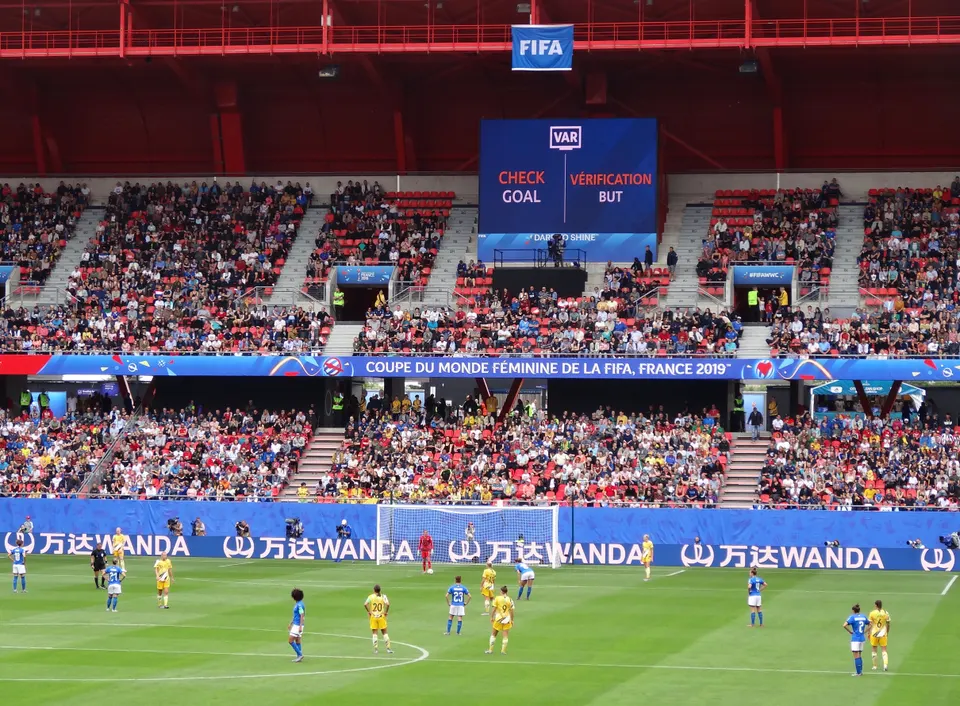
The immediate aftermath saw scenes of dejection among the players and coaching staff, while fans around the world expressed their disbelief. While Belgium and Egypt celebrated their advancement to the knockout stage – with Belgium demolishing New Zealand 5-1 to top Group G – Iran's fate now hangs precariously. This incident underscores the increasing, and often controversial, role of technology in modern football, where VAR decisions can dramatically alter the course of tournaments and national sentiment. The wait for other results will be a tense period for the country, as hopes for World Cup glory are now tempered by uncertainty.
IRGC Navy Strikes US Positions Amid Rising Regional Tensions
In a significant escalation of regional tensions, the Islamic Revolution Guards Corps (IRGC) Navy announced overnight that it had targeted several US military positions. This action was described by IRNA, the official news agency, as a "retaliation for an American act of aggression against Iran’s southern coast." Details regarding the specific nature of the US aggression or the targets struck remain scarce, but the declaration itself signals a dangerous uptick in the long-standing geopolitical friction between Tehran and Washington.
This retaliatory strike follows a period of heightened rhetoric and sporadic confrontations in the Persian Gulf and surrounding areas. Such incidents have historically sent ripples through global markets, particularly impacting oil prices due to concerns over the security of vital shipping lanes. The US military subsequently confirmed a retaliatory strike on Iran, further pushing oil prices higher in after-hours trading, underscoring the immediate economic consequences of these geopolitical maneuvers.
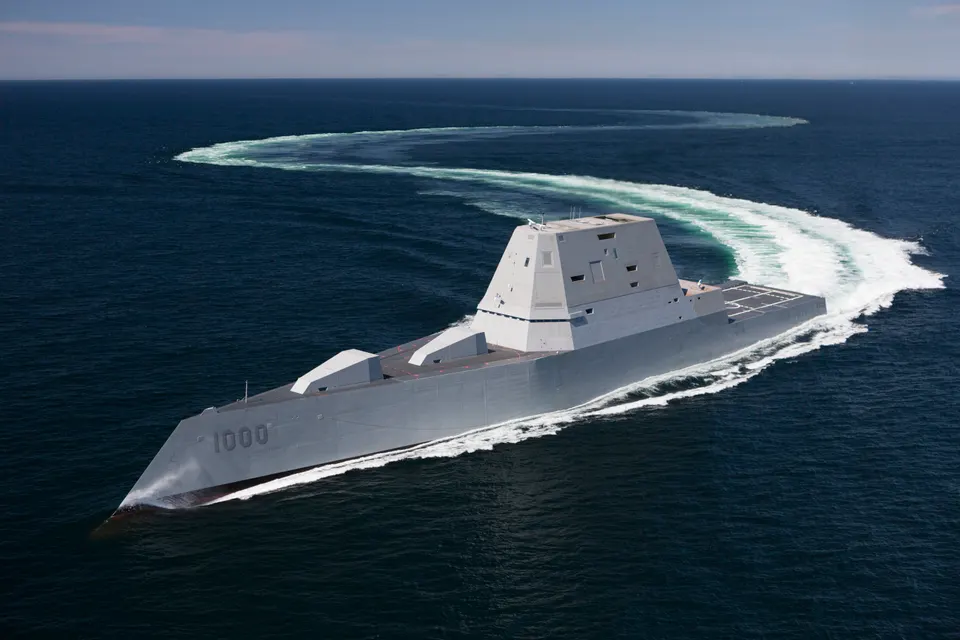
The direct targeting of military positions marks a serious turn, moving beyond previous "harassment" incidents. It raises the specter of a wider conflict in a region already grappling with complex power dynamics and proxy rivalries. For Iran, such actions are often framed domestically as a defense of national sovereignty and a projection of strength. Internationally, they will be viewed with alarm, potentially leading to increased diplomatic pressure, further sanctions, and a general increase in the risk premium associated with doing business in the Middle East. The immediate future will likely see both sides carefully calibrating their next moves, but the underlying tensions remain acutely high.
Trump Threatens 100% Tariffs on Europe Over Tech Tax
Former US President Donald Trump, a figure whose pronouncements still carry significant weight, has threatened to impose a staggering 100% tariff on European nations if they proceed with plans for a tech tax. Speaking amidst discussions among "numerous European countries" about implementing such a levy, Trump's warning signals a potential return to the aggressive trade policies that characterized his previous administration. This move could reignite a transatlantic trade war, creating significant economic uncertainty for businesses and consumers alike.
The dispute centers on proposed digital services taxes (DSTs) by European nations, which aim to levy taxes on the revenues of large tech companies, many of which are American, operating within their borders. From the US perspective, these taxes are seen as discriminatory and unfairly targeting American innovation. Trump's threat of punitive tariffs is a direct response, intended to compel European countries to abandon their plans or face severe economic repercussions on their exports to the lucrative American market.
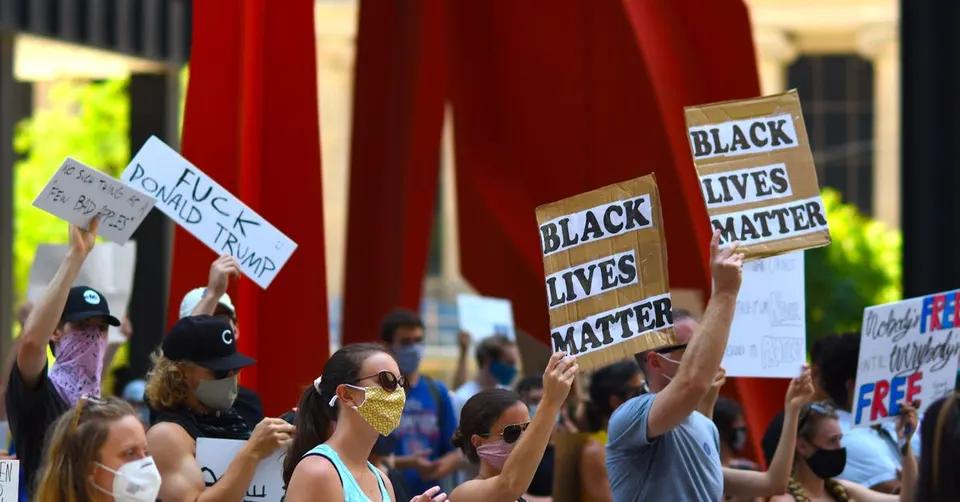
The implications of a 100% tariff would be profound, effectively doubling the cost of imported European goods and services in the US. This would undoubtedly lead to higher prices for American consumers, harm European exporters, and disrupt global supply chains. For the global economy, already navigating post-pandemic recovery and inflationary pressures, a renewed trade war between two of its largest blocs would be a significant headwind, potentially dampening growth and increasing volatility in financial markets. Businesses in Iran, though not directly involved, would feel the ripple effects through altered global demand, commodity price shifts, and a general increase in geopolitical and economic risk.
Billionaire Leon Black Abruptly Exits Epstein Investigation Hearing
Billionaire Leon Black, co-founder of the prominent private equity firm Apollo Global Management, abruptly walked out of a congressional hearing investigating his ties to the disgraced financier Jeffrey Epstein overnight. His sudden departure prompted the House panel to immediately issue subpoenas, demanding that Black testify on camera and under oath regarding his relationship with Epstein. This development reignites scrutiny into the extent of Epstein's network and the accountability of powerful figures associated with him.
Black's association with Epstein has been a source of significant controversy for years, leading to his stepping down from leadership roles at Apollo. He has consistently maintained that his financial dealings with Epstein were for tax and estate planning advice, not related to Epstein's criminal activities. However, the congressional panel's determination to compel his testimony underscores a continued public and political demand for full transparency regarding who enabled Epstein and who may have benefited from his illicit operations.
This incident highlights the ongoing efforts by legislative bodies to hold influential individuals accountable, even years after Epstein's death. The issuance of subpoenas suggests that the committee believes Black's testimony is crucial and that his previous explanations have not fully satisfied their inquiries. For the financial world, this saga serves as a stark reminder of the reputational risks and legal liabilities that can arise from associations with unsavory figures, regardless of one's own alleged involvement in their crimes. It also reinforces the public's expectation for higher ethical standards and greater transparency from those at the pinnacle of global finance.
Frequently Asked Questions
What are the immediate implications of Iran's World Cup result for the country?
How might the IRGC Navy's strike affect global oil markets?
What is the background of Trump's tariff threat against Europe?
What are the potential economic consequences of a US-Europe trade war ignited by tariffs?
Why is Leon Black's testimony regarding Jeffrey Epstein still a significant issue?
Geopolitical Risk Premium: Why Politics Moves Markets
When investors hear about a missile launch by the IRGC, a tariff threat from a former U.S. president, or a controversial VAR decision in a World Cup match, they often wonder why such seemingly unrelated events cause stock prices to jump or fall. The answer lies in the geopolitical risk premium – an extra return that investors demand for holding assets that could be affected by political instability, military actions, or policy shocks. In practice, this premium is baked into bond yields, equity valuations, and currency prices, reflecting the market’s assessment of the probability and potential severity of geopolitical events.
The premium works through two main channels. First, political turmoil can directly disrupt cash flows: sanctions on Iran can cripple its oil exports, reducing revenues for companies that depend on Iranian oil, while tariffs can raise costs for manufacturers importing goods. Second, uncertainty about future policy decisions raises the cost of capital. When Donald Trump hinted at reinstating tariffs on steel and aluminum, investors priced in higher risk for firms exposed to those supply chains, causing their stock prices to adjust even before any policy was enacted. This forward‑looking behavior is a hallmark of modern financial markets.
Quantifying the geopolitical risk premium is challenging because it blends measurable factors—like the number of armed conflicts or sanctions lists—with intangible perceptions of stability. Researchers often use indices such as the Geopolitical Risk Index (GPR) to correlate spikes in political tension with movements in asset prices. A sharp rise in the GPR typically precedes higher sovereign bond yields for the affected country and a flight to safe‑haven assets like U.S. Treasuries or gold.
For investors, understanding this premium is crucial for portfolio construction. Diversifying across regions, sectors, and asset classes can mitigate exposure, but it also presents opportunities: assets that are undervalued due to overblown risk perceptions may offer higher expected returns once the political climate stabilizes. In a world where a World Cup VAR controversy can spark market volatility just as much as a missile test, the geopolitical risk premium remains a central concept for anyone navigating global finance.
Topics
Related Articles