Oil Sinks to Pre-War Lows as Peace Talks Gain Ground; Tehran Taps Frozen Qatar Funds
سقوط قیمت نفت به کف سالانه همزمان با پیشرفت مذاکرات؛ آغاز بهرهبرداری ایران از منابع قطر
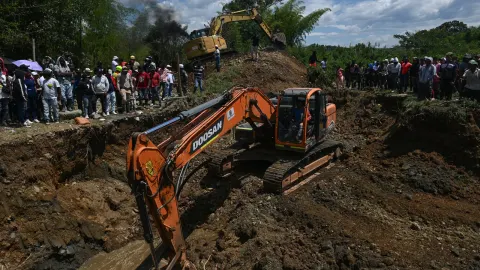
Global oil prices have plunged below $71 for the first time since the regional conflict began, signaling a massive shift in market sentiment. As Tehran prepares to use its frozen billions in Qatar for essential goods, the US has resumed dollar transfers to Iraq, altering the regional financial landscape.
At time of publishing
USD
174,050
Toman
Gold 18K
17.38M
Toman / gram
Bitcoin
$60,426
US Dollar
Tether
176,094
Toman
Market Open — Gold Shines as Rial Edges Higher
Good morning from the Arzbin newsroom. This Thursday, the Iranian markets are opening with a mix of cautious optimism and a notable surge in precious metals. The US Dollar (sell) has edged up slightly to 174,050 Toman, representing a marginal 0.1% increase from yesterday's 173,850. While the currency remains relatively stable, the real movement is in the gold sector. Gold 18k per gram has climbed 1.0% to reach 17,383,074 Toman, tracking a global rally that has seen the ounce hit a staggering $4,071.20.
The Emami coin has followed suit, rising 0.9% to settle at 176,000,000 Toman. This divergence—a stable dollar but rising gold—suggests that while domestic currency pressure is currently contained, Iranian investors are still seeking refuge in hard assets amid the shifting geopolitical sands. Meanwhile, in the digital realm, Bitcoin has successfully reclaimed the $60,400 level after comments from Fed officials suggested inflation risks are finally cooling, providing a much-needed breath of fresh air for crypto enthusiasts who endured a difficult second quarter.
The Great Oil Deflation: Brent Dips Below $71
The most significant story overnight is the dramatic collapse of the 'war premium' in the global energy markets. For the first time since the start of the US-Israel-Iran conflict, Brent crude has fallen below the $71 per barrel mark. This is a psychological and economic threshold that few analysts expected to see so soon. The primary driver is a wave of optimism surrounding peace talks, which has led traders to liquidate long positions that were previously betting on a supply disruption in the Persian Gulf.
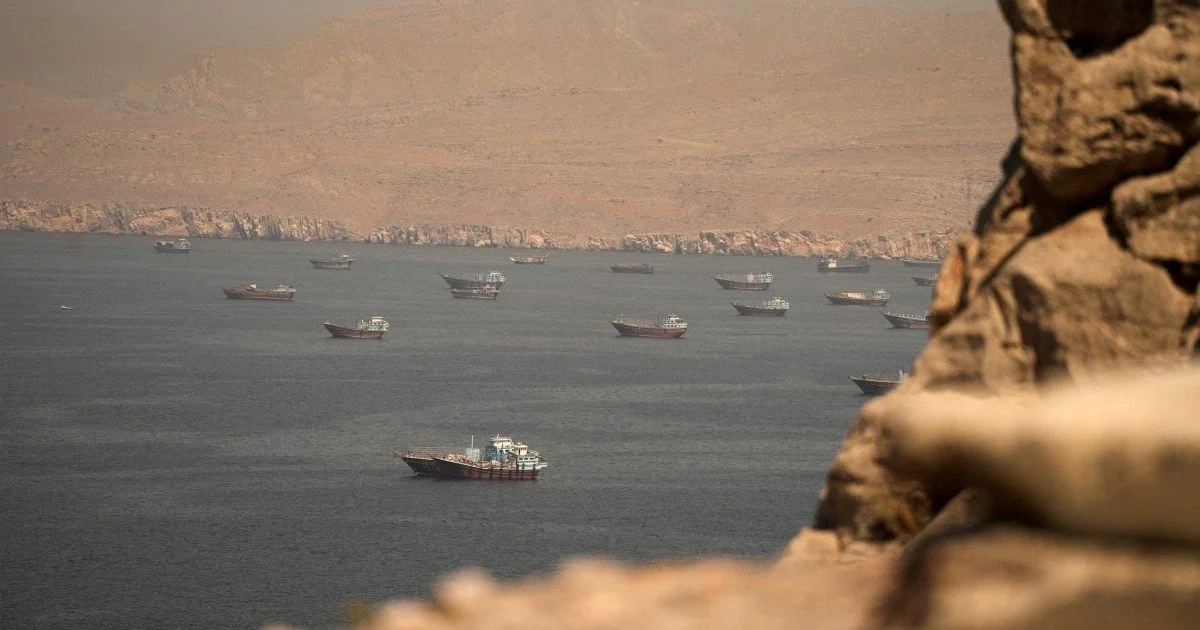
For the Iranian economy, this is a double-edged sword. On one hand, the cost of diesel and global transportation is seeing its biggest monthly fall in 26 years, which could eventually help cool the imported inflation that has plagued the domestic market. On the other hand, a lower oil price directly impacts the government's export revenue. When you combine this with reports that Iran is currently holding 58 million barrels of crude in floating storage—tankers sitting at sea with no clear destination—it becomes clear that the 'volume vs. price' battle is entering a critical phase. If peace is achieved, Iran may find it easier to sell, but it will be selling into a much cheaper market.
The Dollar Pipeline: US Resumes Transfers to Iraq
In a move that caught regional analysts by surprise, the US administration has resumed dollar transfers to Iraq after a monthslong suspension. Previously, Washington had choked off the flow of physical greenbacks to Baghdad to pressure the Iraqi government into distancing itself from Tehran's financial networks. The resumption suggests a tactical shift or a potential 'de-escalation' reward as part of the broader regional negotiations.

This matters immensely for the Iranian market because Iraq has long served as a vital 'gray market' for dollar liquidity. When the tap is turned back on in Baghdad, the spillover effect often leads to a more stable Rial in Tehran, as the supply of hard currency in the region increases. However, the US is likely to maintain strict oversight on where these dollars go, meaning the 'cat and mouse' game of regional sanctions evasion is far from over. For the average reader, this is a signal that the extreme dollar scarcity of the past few months might see some temporary relief.
Qatar Funds and the 'Premium' Paradox
Iranian Deputy Foreign Minister Kazem Gharibabadi confirmed overnight that Tehran is finally moving to use its frozen assets in Qatar to purchase 'required goods.' This follows a memorandum of understanding tied to the broader cessation of hostilities. While these funds are restricted to humanitarian and non-sanctioned items, the move frees up other parts of the national budget, acting as a significant fiscal lubricant for a government that has been operating under extreme pressure.

Interestingly, while the government moves to tap these funds, a Bloomberg report highlights a paradox: Iran is reportedly attempting to export crude at a 20% premium even as unsold barrels pile up at sea. This suggests that while the diplomatic channels are opening, the commercial reality of selling oil in a well-supplied global market remains difficult. The coming weeks will reveal whether the 'peace dividend'—the economic benefit of ending the conflict—will outweigh the loss of high oil prices that war usually brings.
Frequently Asked Questions
Why is the oil price falling if there is still regional tension?
How does the resumption of US dollar transfers to Iraq affect the Toman?
What is the status of the 58 million barrels of Iranian oil at sea?
Understanding Economic Sanctions: How Geopolitics Shapes Global Finance and Energy
Economic sanctions are powerful foreign policy tools employed by nations or international bodies to pressure target countries into changing their behavior without resorting to military force. These measures can take various forms, including trade embargoes, restrictions on financial transactions, travel bans, and crucially, the freezing of assets held abroad. When a country's assets are frozen, it means that its government, central bank, or designated entities cannot access or move funds held in foreign banks or financial institutions, directly impacting its ability to engage in international trade and investment. The recent reports of Tehran tapping into frozen funds in Qatar highlight the intricate mechanisms by which these restrictions are applied and, eventually, eased.
The immediate impact of sanctions on a targeted economy can be severe. Financial isolation makes it difficult for a country to conduct international transactions, procure essential goods, or repatriate earnings from exports. This often leads to a depreciation of the national currency, as seen with the Iranian Rial, and can fuel inflation and economic instability. Furthermore, restrictions on dollar transfers, such as those impacting Iraq's dealings with Iran, underscore how sanctions can ripple through regional financial systems, complicating even humanitarian trade and aid flows by limiting access to the global reserve currency.
The easing or lifting of sanctions, conversely, can have significant positive repercussions for the targeted economy and global markets. The release of frozen funds, like Iran's access to its assets in Qatar, provides an immediate injection of capital that can stabilize the national currency, fund imports, and stimulate domestic economic activity. From a global perspective, a reduction in geopolitical tensions and the potential for a previously sanctioned country to increase its participation in global markets can influence commodity prices. For instance, the prospect of increased oil supply from a major producer returning to the market due to peace talks can contribute to a decline in Brent oil prices, affecting global energy markets and highlighting the direct link between geopolitics and commodity valuations.
Ultimately, economic sanctions are a core component of 'Geopolitics Finance,' where political objectives are pursued through financial and economic means. Their efficacy is a subject of ongoing debate, but their capacity to alter financial flows, impact currency values, influence global energy prices, and reshape international economic relations is undeniable. Understanding these mechanisms is key to interpreting global news, from shifts in oil prices to the complex movements of international capital.