Harvard Astronomer Leads UFO Hunt, Iran's Football Team Returns, Nord Stream Blast Suspect Charged
ستارهشناس هاروارد شکارچی یوفو شد، تیم ملی فوتبال ایران بازگشت، مظنون انفجار نورد استریم متهم شد
A Harvard astronomer is spearheading a new Pentagon initiative to investigate Unidentified Aerial Phenomena, while Iran's national football team receives a hero's welcome after the World Cup. Meanwhile, a Ukrainian national has been charged in Germany in connection with the Nord Stream pipeline explosions, raising geopolitical tensions.
At time of publishing
USD
173,150
Toman
Gold 18K
17.20M
Toman / gram
Bitcoin
$60,077
US Dollar
Tether
175,372
Toman
Harvard Astronomer Leads UFO Investigation with Pentagon Backing
Avi Loeb, a controversial cosmologist from Harvard University, is now at the forefront of a secretive White House panel tasked with investigating Unidentified Aerial Phenomena (UAP), formerly known as UFOs. Loeb, who has previously theorized about alien lifeforms disguised as meteors, and his hand-picked committee have begun scrutinizing reported encounters and incidents. The panel has formally requested videos, images, and documents from the Pentagon related to these phenomena, signaling a significant, albeit unconventional, step in official UAP research.
This development marks a shift in how such sightings are being officially addressed, moving beyond mere dismissal to active scientific inquiry, albeit with a controversial figure at its helm. The implications for global confidence and the potential for new technological or existential revelations are substantial. For Iran, while not directly related to immediate economic concerns, the government's engagement with such phenomena and the transparency (or lack thereof) from global powers can influence international perceptions and potentially affect future diplomatic or security dialogues. The focus on human-made origins initially by Loeb’s panel also suggests a pragmatic approach, aiming to first rule out terrestrial explanations before delving into more speculative theories, which could have long-term implications for defense spending and scientific priorities worldwide.

---
Iran's World Cup Team Celebrates Hero's Welcome Amidst Global Tensions
Iran's national football team has returned home from the FIFA World Cup to a jubilant reception, with fans and officials alike expressing pride in their performance despite acknowledging a degree of 'bad luck' on the field. Head coach expressed gratitude for the public's overwhelming support, highlighting the team's efforts in a challenging global tournament. The scenes of celebration underscore the unifying power of sport, particularly in a region often marked by geopolitical complexities.
The return of the national team offers a moment of national pride and a welcome distraction from the persistent economic pressures and international sanctions that continue to shape the daily lives of Iranians. While the team's performance on the global stage does not directly alter currency exchange rates or market prices, such moments of collective achievement can bolster national morale and foster a sense of unity. This can indirectly influence consumer confidence and the broader economic sentiment, providing a brief respite from the challenges of managing household budgets amidst fluctuating commodity prices and the ongoing complexities of international trade. The outpouring of support also signals the deep connection between the populace and national symbols, reinforcing cultural identity.

---
Ukrainian Charged in Germany Over Nord Stream Blasts
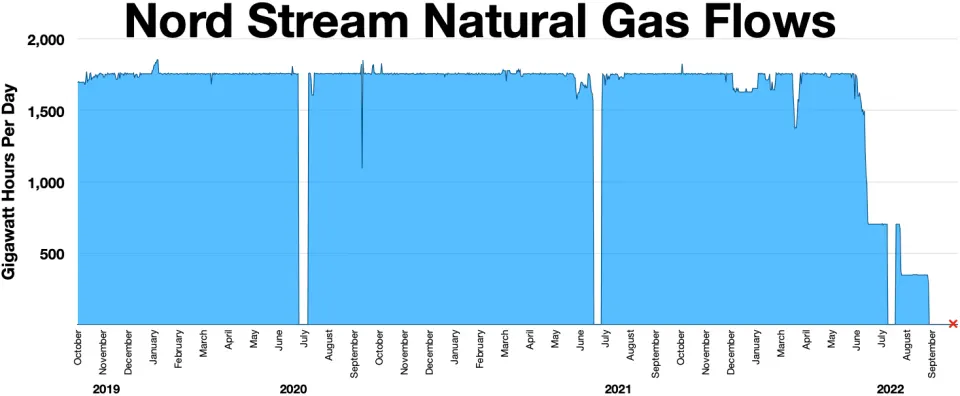
Authorities in Germany have charged a Ukrainian national in connection with the sabotage of the Nord Stream natural gas pipelines. This development carries significant weight, potentially impacting the ongoing investigation into the incident that disrupted energy supplies and raised geopolitical alarms across Europe. The specific nature of the charges and the evidence presented will be crucial in understanding the full scope of the alleged involvement and its implications for Ukraine's relationship with Germany and other European allies.
The Nord Stream pipeline explosions have been a focal point of geopolitical tension, with suspicions cast in various directions. The charging of a Ukrainian national, even if the Ukrainian government denies involvement, could strain diplomatic ties and affect the broader security architecture in Europe. For global markets, particularly those sensitive to energy supply routes and geopolitical stability, this news adds another layer of uncertainty. It may influence energy price volatility, risk appetite among investors, and the ongoing debate surrounding energy security and diversification strategies, especially for nations heavily reliant on natural gas imports. The investigation's outcome could also have ramifications for sanctions regimes and international cooperation on critical infrastructure protection.
---
Krafton Settles Dispute with Subnautica 2 Developer
Video game publisher Krafton has reached a settlement with Unknown Worlds Entertainment, the studio behind the highly anticipated Subnautica 2. The dispute, which began last year after Krafton ousted key figures from Unknown Worlds, has been ongoing. As part of the settlement, Krafton has agreed to pay bonuses to the staff at Unknown Worlds, aiming to mend the relationship and ensure the continued development of the game. This resolution comes after a protracted legal disagreement that threatened to derail the project.
The settlement highlights the complex dynamics within the gaming industry, where large publishers often acquire smaller studios, leading to potential clashes over creative direction and management. For the tech and gaming sector, such disputes can impact investor confidence, talent retention, and the perception of corporate governance. The successful resolution, however, may signal a return to stability for Subnautica 2, a game with significant market anticipation. This event underscores the importance of clear communication and aligned incentives between parent companies and their development subsidiaries, especially in a competitive market where innovative game development is paramount for sustained success and market share.
Frequently Asked Questions
What is the significance of Avi Loeb leading the UAP investigation?
How does the return of Iran's football team impact national sentiment?
What are the potential geopolitical implications of the Nord Stream charges?
Why is the Krafton-Unknown Worlds settlement noteworthy?
What is the current status of the USD/IRR exchange rate?
Understanding Critical Infrastructure Vulnerability
The recent sabotage of the Nord Stream pipelines, a major energy artery connecting Russia and Germany, brought into sharp focus a crucial concept in modern geopolitics: Critical Infrastructure Vulnerability. This incident, where vital energy infrastructure was deliberately damaged, underscored how reliant societies are on these systems and how their disruption can have far-reaching economic, political, and even social consequences. It moved the abstract idea of infrastructure security into a tangible, high-stakes reality.
Critical infrastructure encompasses the essential physical and cyber systems and assets that are indispensable for the functioning of a society and economy. This includes not just energy networks like pipelines and power grids, but also communication systems, transportation networks, water supply, healthcare facilities, and financial services. These systems are the backbone of modern life, and their continuous operation is vital for national security, public safety, and economic stability.
The vulnerability of such infrastructure stems from several factors. They are often geographically extensive, making them difficult to secure entirely. They are increasingly interconnected, meaning a failure in one system can cascade across others. Furthermore, they face a growing array of threats, from physical sabotage and terrorism (as potentially seen with Nord Stream) to sophisticated cyberattacks and natural disasters. The deliberate targeting of critical infrastructure can be a potent tool in hybrid warfare, aiming to cripple an adversary's economy or sow chaos without direct military confrontation.
Understanding critical infrastructure vulnerability is essential for citizens and policymakers alike. It highlights the need for robust security measures, resilience planning, and international cooperation to protect these vital assets. The Nord Stream incident serves as a stark reminder that the stability of our interconnected world depends significantly on the security and integrity of its foundational infrastructure.