Kyiv Under Fire: Massive Russian Strike Kills 13 as Tehran Denies Nuclear Site Access
حمله سنگین به کییف با ۱۳ کشته و تکذیب دسترسی آژانس به سایتهای هستهای توسط ایران
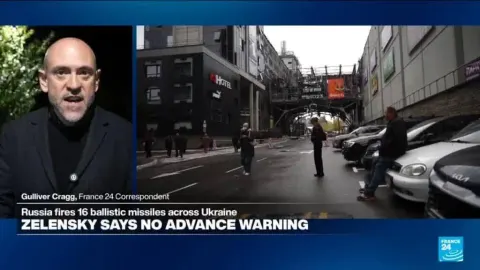
Russia has launched its largest missile assault on Kyiv in weeks, leaving at least 13 dead and rattling global risk sentiment. Meanwhile, Tehran has formally denied granting the IAEA access to bombed sites, a move that could complicate ongoing indirect talks with Washington.
At time of publishing
USD
174,050
Toman
Gold 18K
17.39M
Toman / gram
Bitcoin
$60,408
US Dollar
Tether
175,901
Toman
Kyiv Shudders Under Massive Missile Barrage as Death Toll Rises
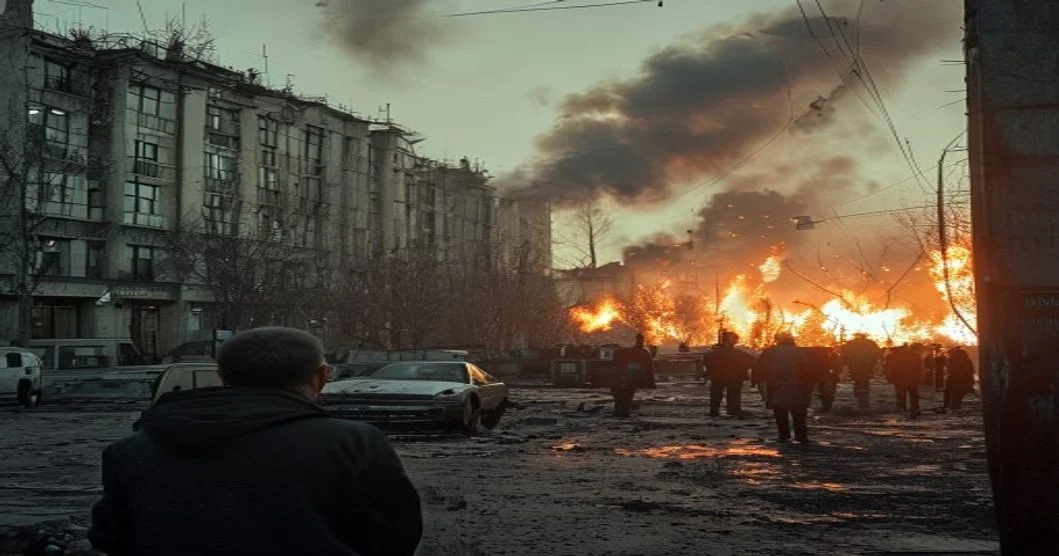
The situation in Eastern Europe has taken a turn for the worse this morning as Russia launched one of its most devastating aerial assaults on the Ukrainian capital in months. At least 13 people, including children, have been confirmed dead following a coordinated wave of missile and drone strikes that rocked residential and infrastructure targets across Kyiv. This escalation comes just hours after President Volodymyr Zelensky warned of an impending "massive strike," signaling a brutal shift in Moscow's tactics as it attempts to reclaim the initiative following recent Ukrainian incursions into Russian territory. The sheer scale of the bombardment has forced thousands into underground shelters, reminiscent of the early days of the conflict.

The strategic objective behind this latest barrage appears to be two-fold: to demoralize the civilian population and to cripple the logistics hubs that support Ukraine's forward-leaning operations. By "taking the war to Russia," Kyiv has managed to put significant pressure on Vladimir Putin's administration, but the response has been a doubling down on long-range devastation. For global markets, this renewed intensity signals that a diplomatic resolution remains a distant hope, keeping energy prices volatile and pushing investors toward safe-haven assets. Analysts suggest that this cycle of escalation could lead to further disruptions in Black Sea trade routes, affecting everything from grain exports to regional energy security.
Tehran Rejects IAEA Access Claims Amid Indirect Negotiations
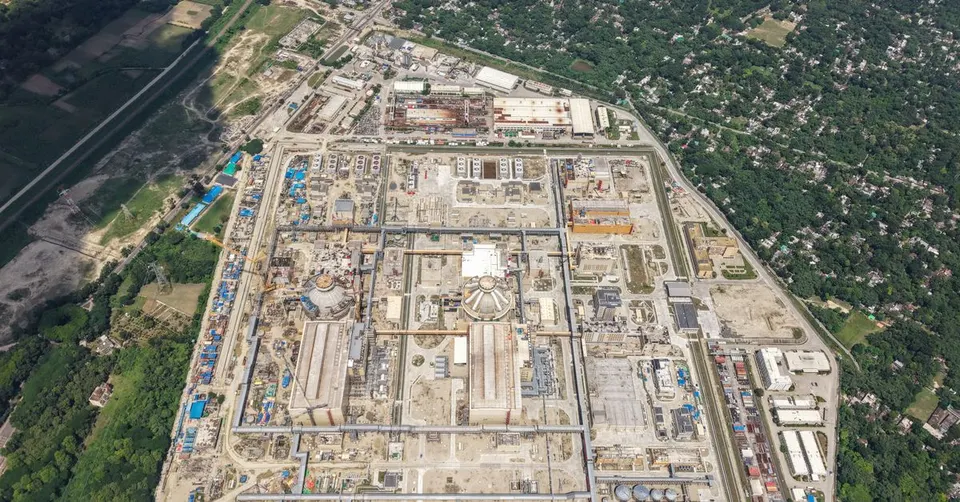
In a significant development for regional diplomacy, Mohammad-Bagher Ghalibaf, head of Iran’s nuclear negotiating team, has explicitly denied reports that International Atomic Energy Agency (IAEA) inspectors were granted access to sites recently damaged in US-Israeli strikes. Ghalibaf clarified that inspectors are currently restricted to the Bushehr nuclear power plant and the Tehran research reactor, dismissing claims of wider transparency as false. This firm stance comes at a delicate time, as indirect talks between Tehran and Washington were reportedly showing "positive progress" just hours earlier, aiming to establish a communication channel for reporting breaches of existing agreements.
The refusal to open these sites suggests a deepening distrust between Tehran and international monitors, potentially stalling the momentum gained in recent memorandum of understanding (MoU) discussions. From an economic perspective, this geopolitical friction directly influences the Iranian Rial's stability. While the USD/IRR pair saw a marginal increase of 0.1% to reach 174,050 Toman, any further breakdown in nuclear cooperation could lead to sharper volatility in the currency markets as traders weigh the risk of renewed sanctions. Furthermore, Iran's ongoing struggle with cross-border issues, such as the recent seizure of 3,600kg of meth destined for Europe, highlights the complex security environment the country faces while under heavy economic pressure.
Gold Surges and Bitcoin Whales Accumulate as Risk Aversion Grows
The combination of escalating conflict in Ukraine and diplomatic tension in the Middle East has sent ripples through the financial markets this Thursday. Gold has emerged as the clear winner this session, with the international spot price hitting a staggering $4,078.70 per ounce. Locally, 18k gold rose 1.1% to 17,394,616 Toman per gram, while the Emami coin climbed 0.9% to 176,000,000 Toman. This flight to quality reflects a broader "risk-off" sentiment among investors who are wary of the unpredictable nature of current geopolitical flashpoints, seeking refuge in assets that historically hold value during wartime.
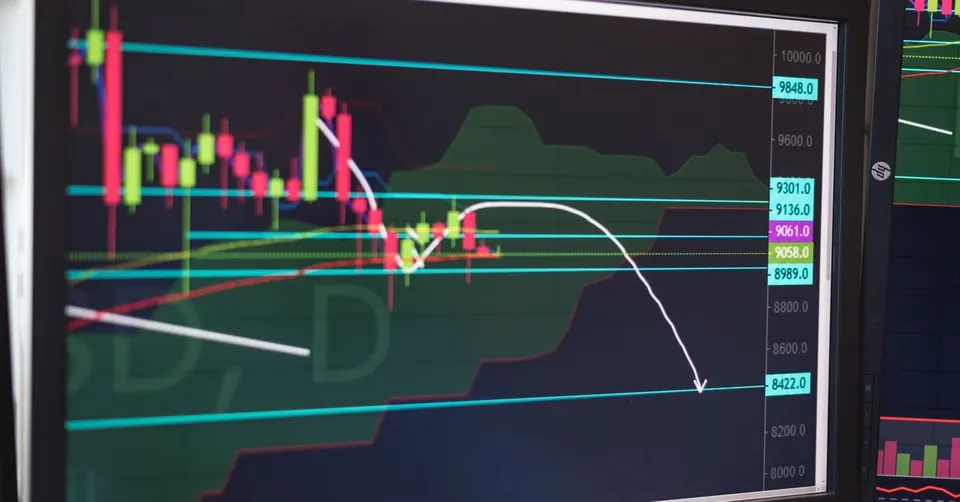
In the digital asset space, Bitcoin is showing signs of resilience despite the macro turbulence. Trading at $60,408, BTC has seen long-term holders shift back into an "accumulation" phase according to recent on-chain data from Glassnode. This suggests that while retail sentiment remains shaky, institutional and long-term "whales" view the current price levels as a strategic entry point. Additionally, the integration of Robinhood with the rebranded Arcus (formerly dYdX) to launch a decentralized exchange highlights the ongoing technological evolution of the sector. As perpetual and tokenized stock trading becomes more accessible, the line between traditional finance and crypto continues to blur, even as the broader market remains cautious due to the global geopolitical climate.
Frequently Asked Questions
Why has the price of gold reached $4,078 per ounce?
What sites in Iran does the IAEA currently have access to?
Is Bitcoin still a 'risk-on' asset given the current accumulation?
How did the USD/IRR exchange rate react to today's news?
Understanding IAEA Safeguards and Nuclear Inspections
The International Atomic Energy Agency (IAEA) is the global watchdog tasked with verifying that civilian nuclear programs are not diverted for weapons use. Its core tool is the safeguards system, a set of inspections, material accountancy, and remote monitoring that states voluntarily accept under the Nuclear Non‑Proliferation Treaty (NPT) or through bilateral agreements. Inspectors verify the amount of uranium and plutonium in a facility, check for undeclared activities, and install cameras and seals to detect any tampering.
When a country like Iran is asked to grant IAEA access, the agency looks for “additional protocol” compliance, which expands the inspector’s right to access any site where nuclear-related material might be present. Denial of such access raises red flags because it limits the IAEA’s ability to confirm that no clandestine weapons‑grade material is being produced. In diplomatic negotiations, the willingness—or refusal—to allow inspections often becomes a bargaining chip, influencing sanctions, diplomatic recognition, and regional security calculations.
The IAEA’s findings are reported to the United Nations Security Council, which can impose sanctions or authorize collective actions if non‑compliance is deemed serious. Conversely, successful inspections can lead to relief from economic sanctions, as seen after the 2015 Joint Comprehensive Plan of Action (JCPOA) when Iran allowed extensive IAEA monitoring in exchange for sanction waivers. Thus, the agency’s technical work has direct political and economic consequences.
For observers, understanding IAEA safeguards clarifies why headlines about “denied access” matter far beyond the immediate site. It signals potential gaps in verification, which can destabilize markets (e.g., spikes in gold prices) and affect regional security dynamics, especially during ongoing conflicts like the Russia‑Ukraine war where energy and strategic resources are already under pressure.
In short, the IAEA’s inspection regime is a cornerstone of the global non‑proliferation architecture. Its ability to provide transparent, credible verification helps prevent nuclear escalation and underpins diplomatic efforts to resolve contentious nuclear programs.