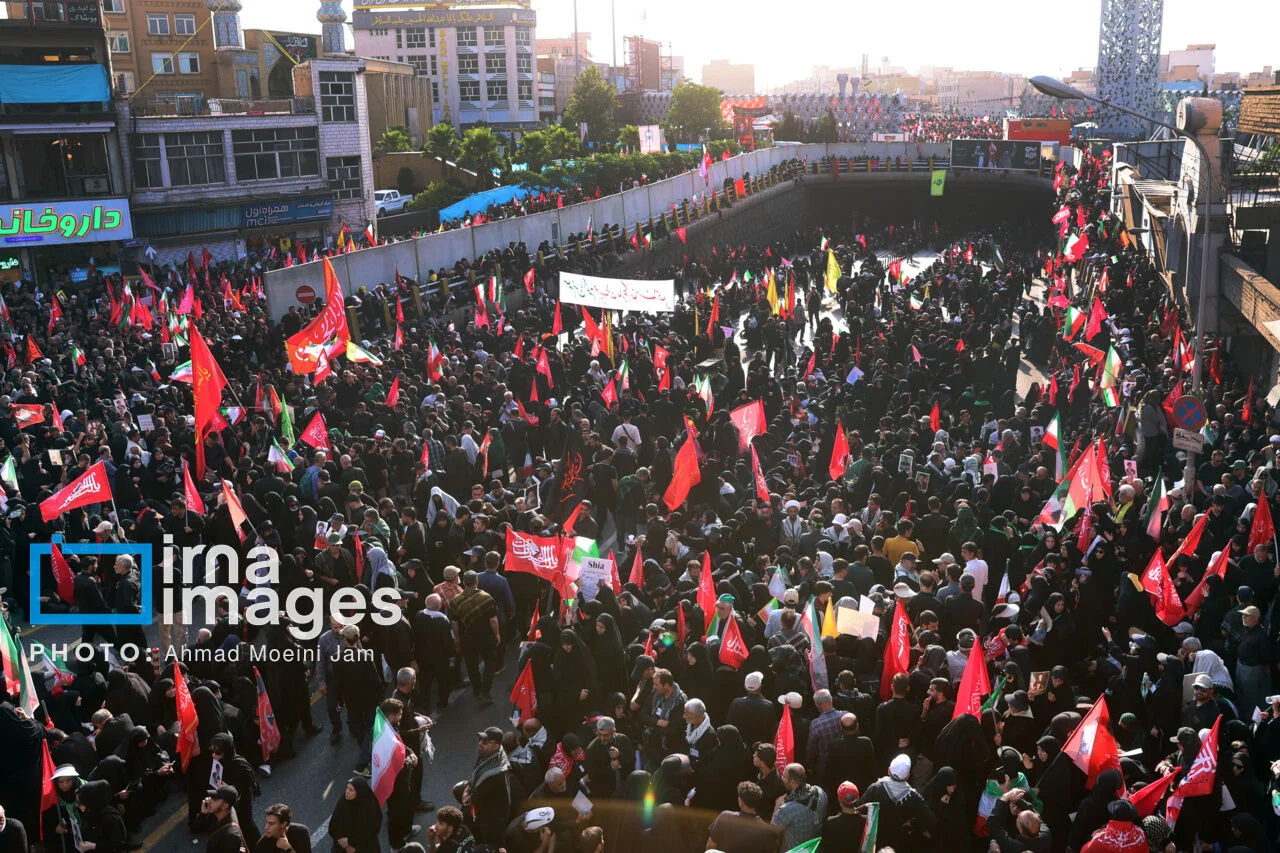
Tehran Stands Still: Massive Funeral Procession for the Late Leader Amid Regional Tensions
تهران در سوگ؛ تشییع پیکر رهبر انقلاب در میان تنشهای بیسابقه منطقهای
Tehran witnesses a massive funeral procession for the late Leader as the nation enters a period of profound transition. Meanwhile, Bitcoin climbs above $63,000 as global markets find relief in easing Fed rate hike fears.
At time of publishing
USD
173,550
Toman
Gold 18K
17.79M
Toman / gram
Bitcoin
$63,060
US Dollar
Tether
175,712
Toman
Market Open — Stability Amid Uncertainty
On this Monday morning, July 6, 2026, the Iranian markets are opening with a heavy air of caution. The US Dollar (USD/IRR) is currently holding steady at 173,550 Toman for selling and 172,523 for buying. Despite the immense domestic political shifts occurring today, the currency market has remained flat over the last 24 hours, showing a 0.0% change. This suggests a market in a 'wait-and-see' mode, where major players are hesitant to make significant moves until the immediate path of the country’s leadership transition becomes clearer.
In the precious metals sector, we see a slight upward tick. Gold 18k per gram rose from 17,729,350 to 17,787,063 Toman, a modest increase of 0.3%. The Emami coin remains unchanged at 177,000,000 Toman. Globally, gold continues to trade at historic highs, currently sitting at $4,149.10 per ounce, reflecting a global flight to safety as geopolitical risks remain elevated across both Eastern Europe and the Middle East. For the Iranian investor, gold remains the primary hedge against the domestic uncertainty that has defined the months since the conflict began in February.

The Final Farewell: Tehran's Massive Procession
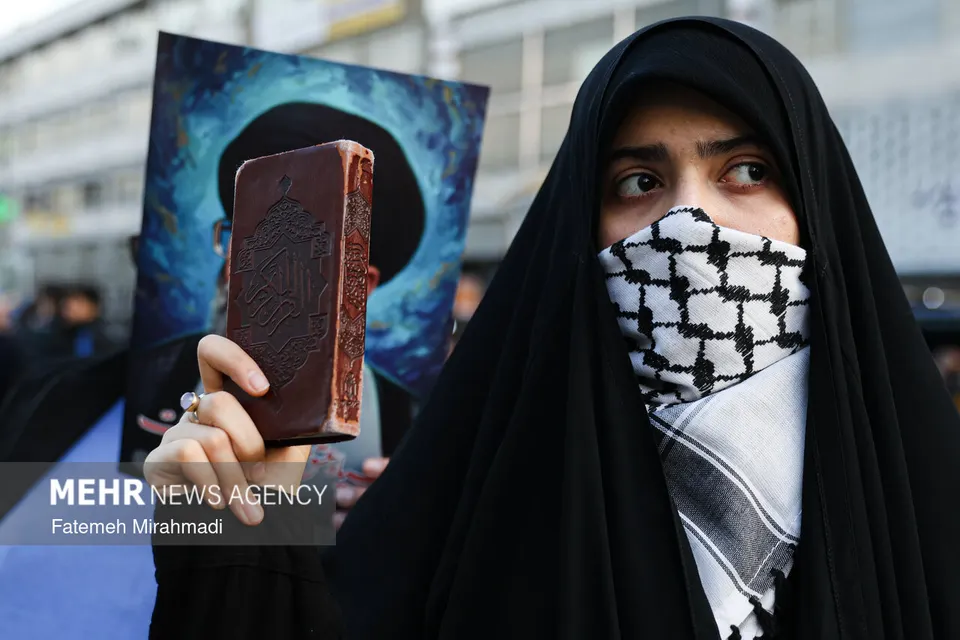
The most significant story this morning is the massive funeral procession for the late Leader of the Islamic Revolution, Ayatollah Seyyed Ali Khamenei. Following his assassination on February 28 at the onset of the war, the nation has been in a state of flux. Today, July 6, marks the culmination of the mourning period with a procession in Tehran that has brought the capital to a complete standstill. Iranian state media reports massive crowds gathering to pay their final respects, a moment that carries immense weight for the future of the country's political structure.
This event is more than just a funeral; it represents a critical juncture for Iran's internal stability and its stance on the world stage. The government has claimed the assassination was a joint operation by the United States and Israel, a narrative that continues to drive the current geopolitical friction. As the procession moves through the streets, the world is watching closely to see how the transition of power will be managed. For the average Iranian, the primary concern remains whether this transition will bring further isolation or a potential path toward de-escalation, though official rhetoric remains firmly entrenched in the latter.
Ukraine’s Strategic Pivot: From Buyer to Defense Provider
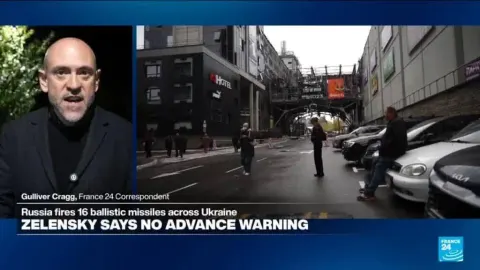
While Tehran mourns, a significant shift is occurring in the global defense landscape. Ukraine is reportedly moving to sign 'drone deals' with seven NATO countries by the end of this year. What makes this particularly relevant for our region is that several Middle Eastern states, previously targeted by Iranian-made Shahed drones during the recent conflict, are now seeking Ukrainian expertise to counter these very threats. Kyiv is positioning itself not just as a recipient of Western aid, but as a provider of battle-tested technology designed to neutralize Iranian military exports.
This development signals a potential erosion of Iran's technological 'edge' in the drone market. For years, the Shahed series provided a low-cost, high-impact tool for regional influence. However, as Ukraine perfects its radar and ground station systems through direct combat experience, the value of Iranian drone technology may face its first major challenge. If Middle Eastern neighbors successfully integrate Ukrainian defense systems, the strategic leverage Iran holds over the Strait of Hormuz and regional shipping lanes—a topic recently highlighted as a risky card to play—could be significantly diminished.
Bitcoin’s $63k Breakthrough and the Fed’s Shadow
In the world of global finance, Bitcoin has managed to climb back above the $63,000 mark. This rally is largely attributed to easing fears regarding Federal Reserve rate hikes in the United States. As inflationary pressures show signs of cooling, investors are returning to 'risk-on' assets, pushing BTC and Ether higher. Ether is currently leading the charge, holding key support levels even as AI and semiconductor stocks show signs of a stalling rebound.
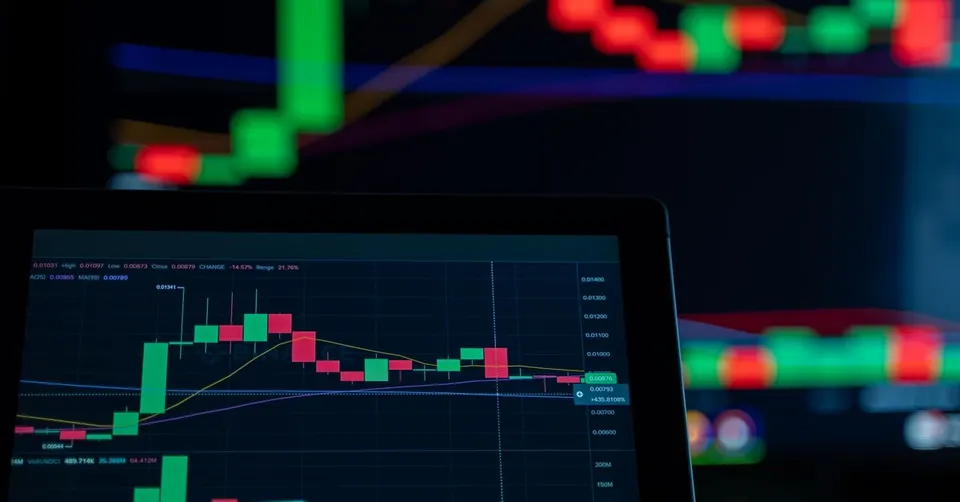
However, this global optimism remains somewhat detached from the reality on the ground in Iran. While the USDT rate in Toman stands at 175,712, reflecting the broader currency peg, the ability of Iranian retail investors to capitalize on this global crypto rally is hampered by domestic banking restrictions and the ongoing economic shadow of the war. Nevertheless, the $63k level for Bitcoin serves as a psychological boost for the local crypto community, which continues to grow as traditional saving methods fail to keep pace with the cost of living.
Frequently Asked Questions
Why is the USD/IRR price flat despite the major political events in Tehran?
How does Ukraine's new drone deals affect Iran's regional influence?
Is the $63,000 level for Bitcoin a sustainable support?
Power Transitions in Authoritarian Regimes: What Happens When a Leader Dies?
When a long‑standing authoritarian leader dies, the ensuing power transition can be far more volatile than in democratic systems. In a democracy, institutional checks, regular elections, and a clear line of succession help smooth the change of leadership. By contrast, authoritarian regimes often rely on personal loyalty, opaque decision‑making bodies, and a cult of personality, which means that the death of a ruler—such as Ayatollah Khamenei—can trigger internal jockeying among elite factions, rapid policy shifts, and heightened external tensions. The funeral procession itself becomes a stage for rival power brokers to signal their influence, while the public is kept under tight control to prevent unrest.
Economic consequences can appear almost immediately. Sanctions that already choke a country’s banking system may tighten as foreign governments anticipate instability, leading to a sharp depreciation of the local currency (e.g., the USD/IRR rate). Investors may also seek alternative stores of value, such as Bitcoin, which has historically surged during periods of geopolitical uncertainty. Moreover, a leadership vacuum can affect strategic industries—like Iran’s drone program—prompting both domestic accelerations in production and foreign powers scrambling to adjust their own counter‑measure strategies.
Geopolitically, a sudden change at the top can reverberate across critical chokepoints such as the Strait of Hormuz. The strait handles roughly a third of global oil shipments, and any perceived threat to its security can trigger spikes in oil prices and prompt naval deployments by NATO or regional powers. Consequently, neighboring states and global actors watch the funeral and subsequent announcements closely, ready to respond to any shift in Iran’s foreign‑policy posture, whether it be a hardening stance toward the West or a more conciliatory outreach to ease sanctions.
Understanding the mechanics of authoritarian succession helps analysts anticipate not only internal power struggles but also the ripple effects on currency markets, commodity flows, and regional security dynamics. While the specifics differ from case to case, the pattern of elite competition, economic shock, and heightened geopolitical risk is a recurring theme in modern history, from the Soviet Union’s post‑Stalin era to recent transitions in North Korea and Myanmar.