Thames Water Bonuses Surge Amid Debt Crisis; US-Iran Strikes Escalate for Fifth Day as Toman Weakens
افزایش پاداشهای Thames Water در بحبوحه بحران بدهی؛ تشدید حملات آمریکا و ایران برای پنجمین روز و تضعیف تومان
Despite facing a staggering £19.7 billion in debt and 'material uncertainty' about its future, UK's Thames Water has controversially increased bonus payouts to senior managers. Meanwhile, geopolitical tensions in the Middle East continue to mount, with the US and Iran exchanging strikes for a fifth consecutive day, directly impacting regional stability and driving up the value of safe-haven assets and foreign currencies in Iran.
At time of publishing
USD
187,500
Toman
Gold 18K
18.28M
Toman / gram
Bitcoin
$64,622
US Dollar
Tether
188,450
Toman
Thames Water Awards Bonuses Amidst Deep Financial Uncertainty
Thames Water, the UK's largest water and wastewater company, has sparked controversy by increasing bonus payouts to senior managers to £4.1 million, even as it grapples with a colossal £19.7 billion net debt. This decision comes despite the company issuing warnings of “material uncertainty” regarding its very future, as it struggles to recapitalize and avoid potential nationalization. The move has drawn sharp criticism from environmental secretary Emma Reynolds, particularly concerning a deferred bonus of £99,000 paid to CEO Chris Weston, which went against a ban on bonuses due to the company's significant pollution failures.
The optics of senior executives receiving substantial bonuses while the company faces such precarious financial health and public scrutiny over environmental performance are particularly damaging. This situation highlights broader corporate governance challenges within essential service providers, where executive compensation often seems disconnected from operational realities and public interest. For global markets, such instability in a major utility in a G7 economy can erode investor confidence, indirectly impacting overall market sentiment and potentially influencing currency expectations, including the Toman, as investors seek stability amidst perceived global corporate mismanagement.

US and Iran Exchange Strikes for Fifth Consecutive Day, Raising Regional Tensions
The United States and Iran are locked in an escalating cycle of hostilities, exchanging strikes for a fifth straight day, marking a dangerous new stage in their ongoing confrontation. This continuous tit-for-tat, which saw the US launch new attacks against Iranian targets hours after Iran struck American military sites, shows neither side backing down. The prolonged exchange of fire underscores the fragility of regional stability and the heightened risk of a wider conflict, a situation that has direct and severe implications for global energy markets and international shipping lanes.
Adding to the gravity of the situation, Iran has reportedly threatened to halt all Middle East energy exports, with Tehran shutting the Strait of Hormuz in response to a renewed US blockade of its ports and ships. Japan's Trade Chief Masahiro Okafuji confirmed that commercial shipping through the Strait of Hormuz is now off-limits due to the spike in risks, forcing vessels to reroute around the Cape of Good Hope. This dramatic escalation immediately impacts global oil prices and supply chains, contributing to inflationary pressures worldwide and driving significant shifts in financial markets, including a noticeable increase in the USD/IRR exchange rate and the price of gold and Emami coin in Iran, as investors seek safe havens amidst the uncertainty.
New US Sanctions Target Russia's Oil Exports and Shadow Fleet
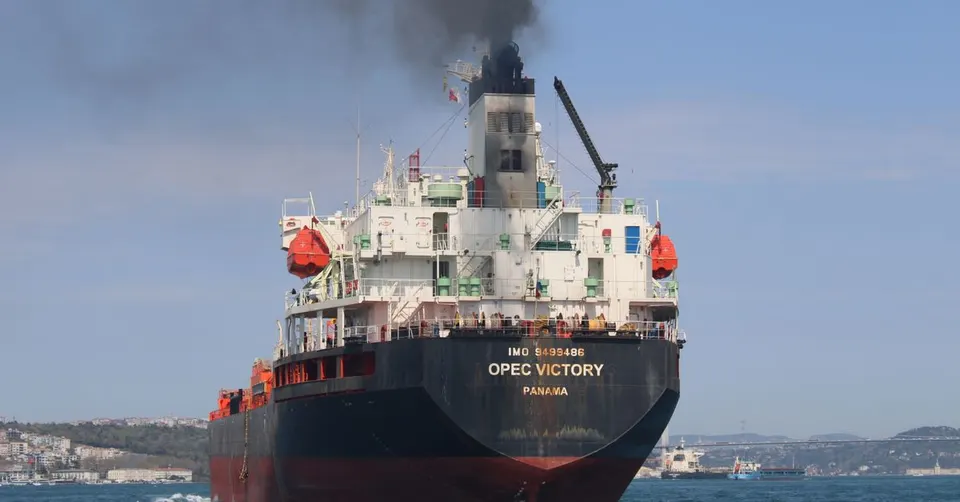
A bipartisan group of US senators has introduced the Sanctioning Russia Act of 2026, a revised package of sanctions and tariffs designed to further squeeze Moscow's war finances by targeting its oil exports and so-called 'shadow fleet.' This legislative effort, which has garnered significant bipartisan support, aims to overcome previous concerns that had stalled similar legislation. The bill's timing and renewed push highlight the persistent international effort to curtail Russia's economic leverage and its ability to fund ongoing conflicts, particularly in the wake of recent political developments, including the death of one of its chief architects, Senator Lindsey Graham.
The implications of these new sanctions are far-reaching for global energy markets. By targeting Russia's oil exports and its discreet shipping network, the US aims to reduce the global supply of Russian crude, potentially leading to increased volatility in international oil prices. For countries like Iran, which also face extensive sanctions on their energy sectors, such moves underscore the ongoing weaponization of economic policy in geopolitics. While intended for Russia, these actions contribute to a broader environment of energy market uncertainty and heightened risk premiums, which can indirectly affect the global demand and pricing dynamics for other oil-producing nations, including those in the Middle East.
US Wholesale Prices Decline, But Inflation Remains a Concern Amid Geopolitical Instability
In a notable development for the US economy, wholesale prices experienced their first drop in nearly a year during June, primarily driven by a decrease in gas prices. This dip offers a glimmer of hope that the persistent inflationary pressures might be easing. However, economists remain cautious, as the overall inflation rate is still considered too high, and the recent slowdown's persistence is now uncertain, largely overshadowed by the renewed hostilities between the United States and Iran.
The geopolitical instability in the Middle East has a direct bearing on inflation expectations globally. Heightened tensions and the threat to crucial shipping lanes like the Strait of Hormuz can easily reverse any gains made from lower energy costs, by disrupting supply chains and driving up commodity prices. For the Iranian market, this global backdrop, coupled with domestic and regional factors, contributes to the observed increases in the USD/IRR exchange rate, which moved from 183,200 to 187,500 (+2.3%), Gold 18k/gram, which rose from 17,856,318 to 18,283,392 (+2.4%), and the Emami coin, which increased from 181,000,000 to 186,000,000 (+2.8%). These movements reflect a flight to perceived safety and a hedge against local currency depreciation amidst both international and regional economic and political uncertainties.
Frequently Asked Questions
Why is Thames Water's bonus payout controversial, and what does it mean for the company's future?
How do the ongoing US-Iran strikes affect global energy markets and the Toman?
What is the new US sanctions bill targeting Russia's oil, and what are its potential global impacts?
Despite a drop in US wholesale prices, why is inflation still a concern, particularly for the Iranian market?
How Geopolitical Tensions and Sanctions Impact a Nation's Currency
The headline highlights a critical economic phenomenon: the direct link between escalating geopolitical tensions and a nation's currency depreciation. When countries like the U.S. and Iran are in conflict, especially concerning vital global trade routes like the Strait of Hormuz and key resources like oil, the ripple effects are felt far beyond the immediate battleground. For a country like Iran, whose economy is already under significant pressure from international sanctions, such escalations can severely undermine confidence in its financial stability, directly impacting the value of its currency, the Toman.
Economic sanctions, often a tool of foreign policy, play a pivotal role in this dynamic. Oil sanctions, for instance, drastically reduce a nation's ability to export its primary commodity, thereby limiting its inflow of foreign currency (like U.S. dollars or Euros). This scarcity of foreign currency makes it more expensive for local businesses and individuals to import goods or conduct international transactions, increasing demand for the limited foreign exchange and weakening the local currency. Furthermore, the heightened political risk associated with military conflict and international isolation deters foreign investment, further choking off potential sources of hard currency.
The weakening of the Toman, as noted in the headline, is a direct consequence of these combined pressures. As the US-Iran conflict escalates, uncertainty grows, prompting both domestic and international actors to divest from assets denominated in Toman. People seek safer havens for their wealth, often turning to stable foreign currencies or tangible assets like gold, which explains the simultaneous rise in gold prices in Iran. This capital flight and reduced demand for the local currency create a downward spiral, exacerbating inflation and eroding the purchasing power of ordinary citizens. Understanding this intricate relationship between geopolitics, sanctions, and currency value is crucial for comprehending the economic challenges faced by nations embroiled in such conflicts.