Deadly Escalation: US Soldier Killed as IRGC Strikes Kuwait Base Amid Hormuz Lockdown Threats
تشدید مرگبار تنشها: کشته شدن سرباز آمریکایی و حمله سپاه به پایگاه کویت همزمان با تهدید انسداد هرمز
The conflict between Washington and Tehran reached a critical tipping point overnight following the death of a US service member and direct IRGC strikes on a Kuwaiti airbase. As oil prices surge past $90, the threat of a total blockade in the Strait of Hormuz looms larger than ever.
At time of publishing
USD
190,200
Toman
Gold 18K
18.46M
Toman / gram
Bitcoin
$64,082
US Dollar
Tether
190,654
Toman
Market Open — The Eye of the Storm
Despite the thunderous drums of war echoing across the Middle East overnight, the Tehran market opened with a surprising, albeit fragile, sense of calm. The US Dollar (sell) edged down slightly to 190,200 Toman, marking a 0.4% decrease from yesterday's 191,000. Similarly, 18-karat gold followed suit, slipping 0.6% to settle at 18,456,530 Toman per gram. The Emami coin also saw a marginal dip of 0.5%, now trading at 188,000,000 Toman. This downward movement in the face of extreme geopolitical risk suggests either heavy-handed intervention by the Central Bank to prevent a panic run or a market that has become temporarily numb to the cycle of escalation.
However, the global context tells a much more volatile story. While the Toman remains tethered for now, Bitcoin is hovering near $64,082, struggling to find a clear direction as investors weigh the 'risk-off' sentiment against the rising cost of energy. Brent crude has already surged past $90.50, a level not seen in months. For the Iranian reader, this divergence between a dipping local USD rate and skyrocketing global oil prices is a classic 'eye of the storm' scenario; the pressure is building behind the dam, and any further military misstep could lead to a rapid correction in the Rial's value.
Deadly Expansion: US Soldier Killed as IRGC Targets Kuwait
The regional shadow war has officially stepped into the light. Overnight, the Pentagon confirmed that a U.S. service member was killed in northern Iraq during an operation to dispose of an Iranian-manufactured drone. This death, coupled with the discovery of 'unidentified remains' in Jordan following previous strikes, has significantly raised the stakes for the Biden administration. For months, Washington has attempted to calibrate its responses to avoid a total war, but the loss of American life on this scale creates immense domestic political pressure for a more devastating retaliation against Iranian assets.
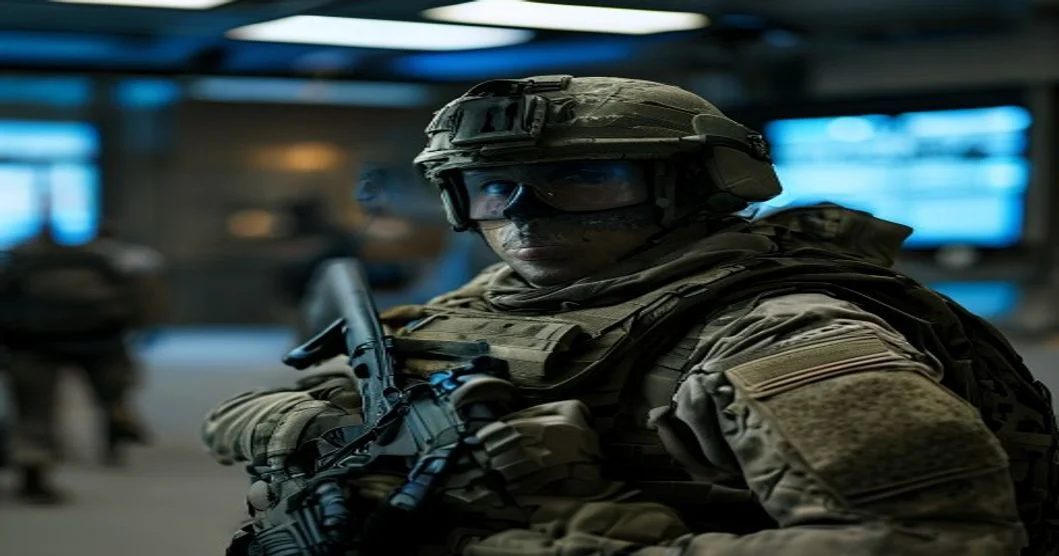
Adding fuel to the fire, the Islamic Revolution Guards Corps (IRGC) claimed responsibility for targeting a US early-warning radar system and military facilities at the Ali Al Salem Air Base in Kuwait. While Iranian state media (IRNA) framed this as a response to 'US aggression,' the geographic expansion of the conflict into Kuwait—a key regional hub—marks a dangerous shift. By targeting facilities in a third country, Tehran is signaling that no US presence in the Gulf is safe, effectively daring Washington to either retreat or escalate into a full-scale regional confrontation.
This is no longer a localized skirmish in Syria or Iraq. The targeting of Ali Al Salem suggests a strategic intent to blind US surveillance capabilities in the region. For the average Iranian, this means the risk of a direct strike on domestic infrastructure has moved from 'theoretical' to 'probable.' The 'Wake Up Moment' described by analysts is here: both sides are now operating on a hair-trigger, and the lack of a diplomatic 'backdoor' means that even a minor tactical error could ignite a fire that neither Tehran nor Washington can extinguish.
The Oil Chokepoint: Hormuz Under Siege
The most immediate economic threat came from a chilling vow by the IRGC: that not a 'single drop' of oil or gas will be permitted to pass through the Strait of Hormuz. This isn't just rhetoric anymore; the Revolutionary Guard reported stopping two tankers in the strait while the US launched its ninth consecutive night of strikes. The impact on global energy markets was instantaneous, with Brent crude jumping 2.72% in early Asian trade to hit $90.50 per barrel. The psychological barrier of $90 has been broken, and traders are now pricing in the very real possibility of a prolonged maritime blockade.
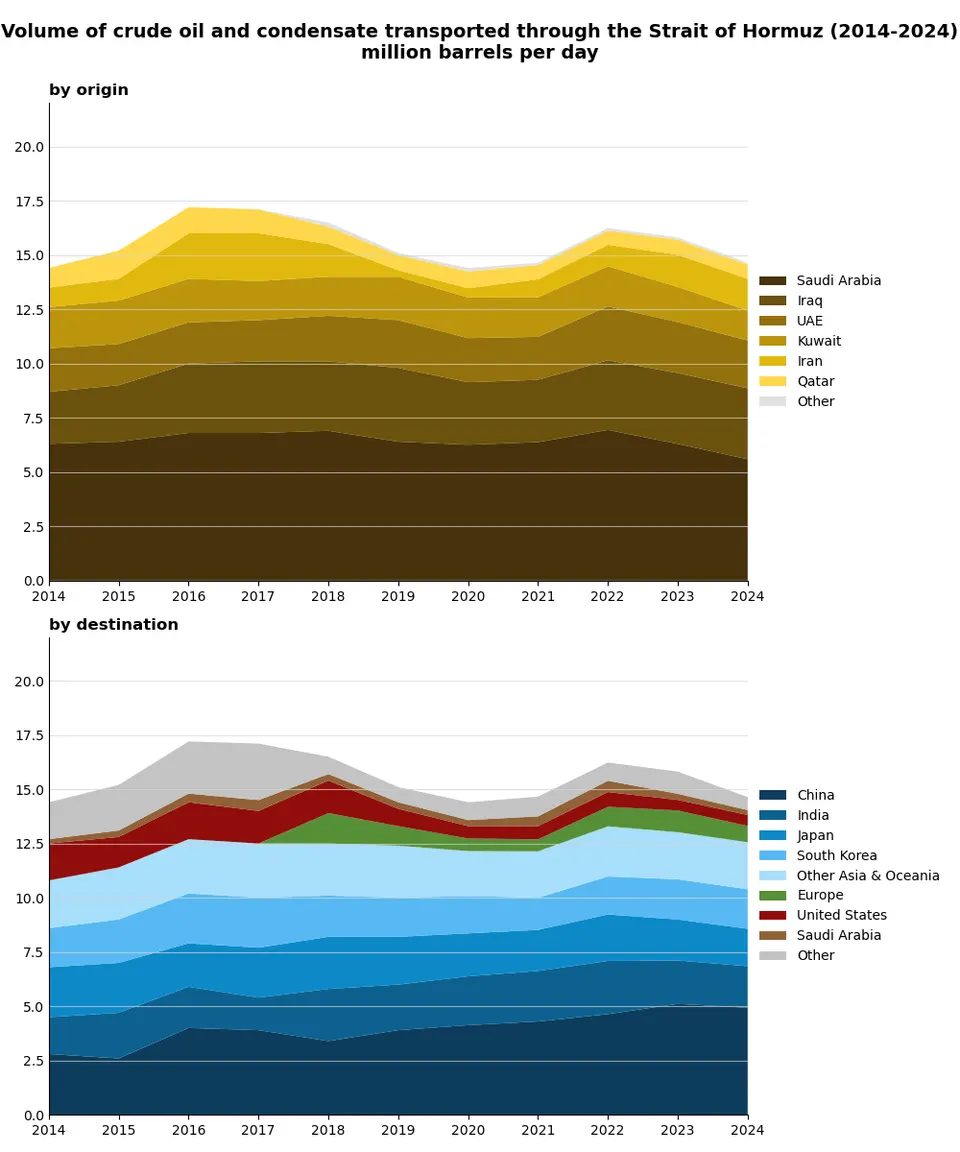
What makes this escalation particularly tragic for the regional economy is the timing. New data from Kpler and Vortexa revealed that Gulf oil exports had briefly recovered to pre-war levels (between 12 and 13.6 million barrels daily) in the first half of July. That recovery is now effectively dead. The 'trickle' of traffic currently navigating the strait is being subjected to extreme insurance premiums and physical risk. For Iran, while higher oil prices usually mean more revenue, a closed strait means they cannot export their own crude effectively, leading to a paradoxical situation where the government's primary source of hard currency is choked by its own military strategy.
This standoff in the world's most important energy artery is a double-edged sword. While Tehran uses the threat of a global energy crisis as leverage, the resulting isolation further cripples the Iranian economy's ability to trade. If the blockade continues, we can expect global inflation to spike, which will eventually circle back to hit the Iranian consumer through more expensive imports and a further weakened Rial. The 'energy weapon' is being unsheathed, but it remains to be seen who it will cut deeper.
A 'Wake Up Moment' for Diplomacy
Analysts are now warning that Tehran and Washington are facing a 'Wake Up Moment'—a realization that the current trajectory leads only to a war that neither side is prepared to win. The cycle of 'tit-for-tat' has evolved into a 'blow-for-blow' escalation where the intervals between attacks are shrinking. The U.S. military, under the direction of the Commander in Chief, has stated it is 'holding Iran accountable,' which in military terms often translates to targeting the command and control centers of the IRGC directly.

The danger lies in the lack of communication. Unlike previous crises where back-channel negotiations through Oman or Qatar could de-escalate the situation, the current atmosphere is one of total distrust. The Iranian government's official stance, as reported by state-controlled outlets, remains defiant, yet the economic reality on the ground suggests a country that cannot afford a high-intensity conflict. For the Iranian public, the 'Wake Up Moment' is about recognizing that the rhetoric of 'strategic patience' has been replaced by a high-stakes gamble with the nation's future.
As we move through today's session, keep a close eye on the USD/IRR rate. While it opened lower, the sheer volume of negative news from the Strait of Hormuz and the death of a US soldier usually takes 24-48 hours to fully digest into the currency markets. If the US announces a major retaliatory package today, the 190,000 support level for the Dollar may not hold for long. Stay informed, stay cautious, and watch the oil charts—they are currently the most accurate pulse of the conflict.
Frequently Asked Questions
Why is the USD/IRR price falling despite the news of a US soldier being killed?
How significant is the IRGC strike on the Ali Al Salem base in Kuwait?
Can Iran actually stop all oil flow through the Strait of Hormuz?
The Strategic Chokepoint: Why the Strait of Hormuz Matters for Global Oil
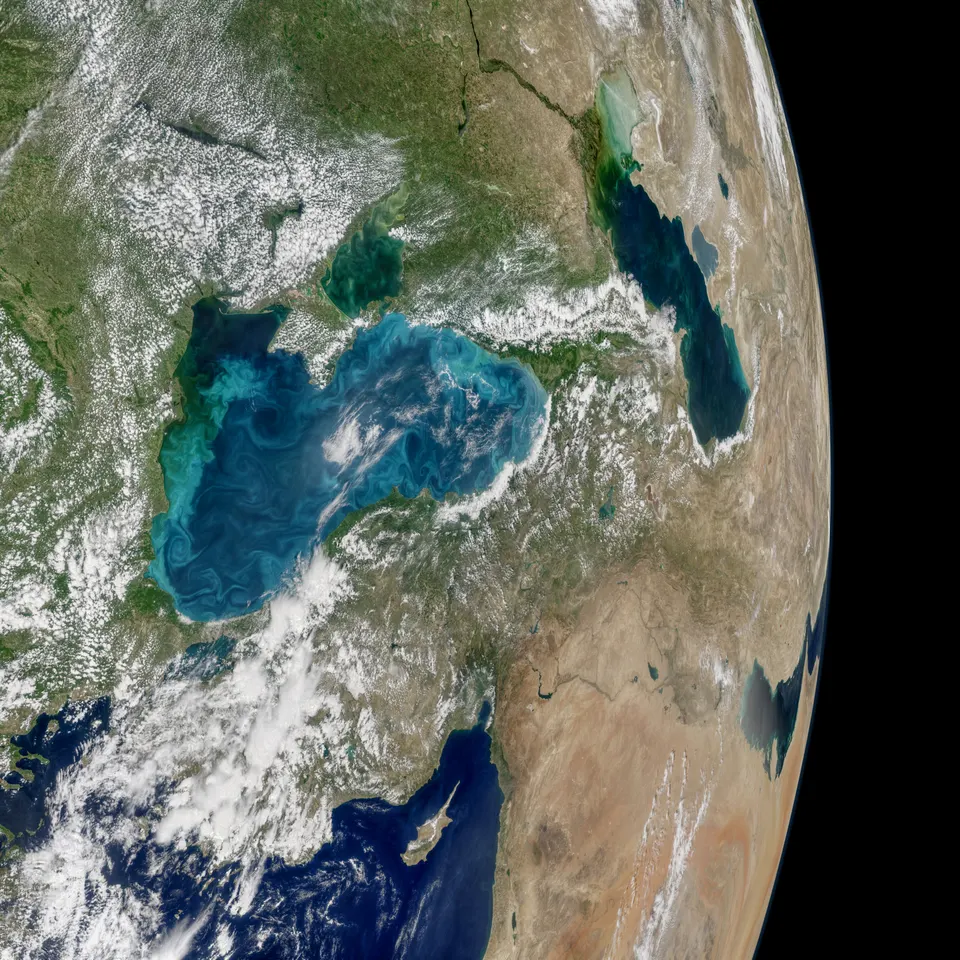
The Strait of Hormuz, a narrow waterway between Iran and Oman, is one of the world’s most critical maritime chokepoints. Roughly 20% of global petroleum—about 21 million barrels per day—passes through its 21‑nautical‑mile channel, making it a linchpin for both oil‑exporting nations and consuming economies. Its geography forces tankers into a tight corridor, which amplifies the impact of any disruption, whether from geopolitical tension, military incidents, or technical accidents.
Because the strait is so vital, even the threat of a temporary closure can trigger sharp moves in oil markets. Traders price in a “risk premium” that pushes benchmark prices such as Brent crude upward; the headline you referenced—Brent hovering around $90 per barrel—reflects precisely that premium. Historical episodes, like the 2019 attacks on oil tankers and the 2021 Iranian missile drills, saw Brent spike by several dollars within hours, illustrating how market psychology reacts to perceived supply constraints.
Economists describe this phenomenon as an "oil price shock" driven by supply‑side uncertainty. The shock is not just a short‑term price bump; it can ripple through exchange rates (e.g., the USD/IRR), inflation, and fiscal balances in oil‑dependent countries. The International Monetary Fund routinely warns that prolonged Hormuz disruptions could force a re‑pricing of global energy risk, affecting everything from transport costs to sovereign debt servicing.
Policymakers therefore treat the strait as a strategic security issue. Navies from the United States, United Kingdom, and other allies maintain a constant presence to ensure freedom of navigation, while Iran has repeatedly signaled its willingness to threaten closure as leverage in broader negotiations. Understanding the chokepoint’s role helps explain why headlines about military strikes in the region—such as the IRGC attack on a Kuwait base—are closely watched by investors and governments alike.