Diplomatic Pause in Hormuz: Oil Plunges 5% as US and Iran Halt Strikes to Give 'Space' for Talks
توقف موقت درگیریها در هرمز؛ سقوط ۵ درصدی قیمت نفت و فرصت دیپلماسی بین ایران و آمریکا
Global markets are breathing a sigh of relief as Washington signals a pause in military operations against Iran, causing oil prices to tumble and Bitcoin to reclaim $65,000. While the Rial shows slight strength, domestic gold continues its climb amid record global ounce prices.
At time of publishing
USD
186,500
Toman
Gold 18K
18.12M
Toman / gram
Bitcoin
$65,353
US Dollar
Tether
187,577.024
Toman
Market Open — The Risk Premium Recedes
The Tehran market opened this Monday with a palpable sense of relief following overnight developments in the Persian Gulf. The US Dollar (USD/IRR) saw a slight correction, falling from 187,000 to 186,500 Toman, a decrease of 0.3%. This minor retreat reflects a cooling of the immediate 'war premium' that has gripped the market for the past two weeks. However, the currency remains at historically elevated levels as traders wait for more than just a temporary pause in hostilities.
In contrast, the gold market continues its upward trajectory despite the cooling of geopolitical heat. Gold 18k per gram rose by 0.6% to reach 18,121,796 Toman, while the Emami coin jumped 0.8% to 183,000,000 Toman. This divergence is driven by the global gold ounce, which is trading at a staggering $4,093.80. Even as the Rial stabilized slightly, the sheer momentum of global bullion is forcing domestic prices higher, making gold a complex hedge for Iranian investors right now.
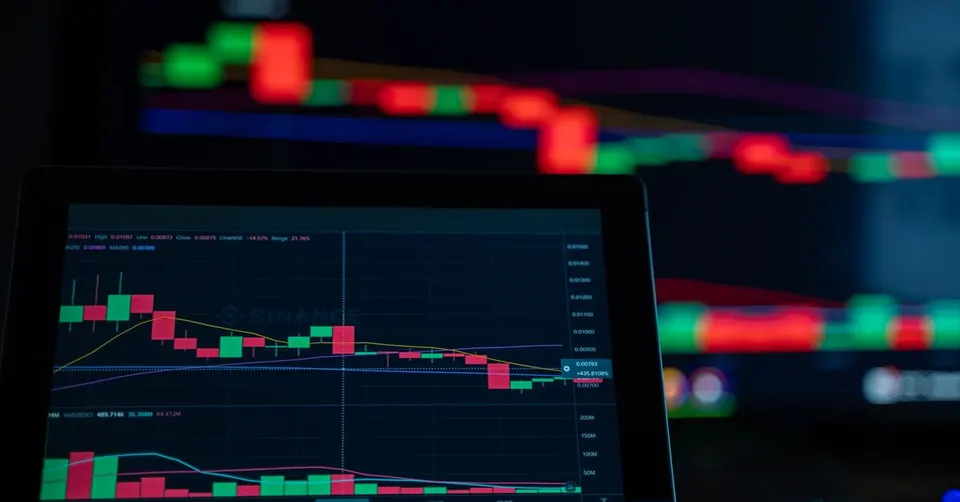
In the crypto space, Bitcoin (BTC) has successfully reclaimed the $65,353 level. The correlation between Middle Eastern de-escalation and risk-on assets was clear overnight: as soon as the 'pause' was announced, capital flowed back into equities and crypto. Ethereum is also showing signs of outperforming, suggesting that if this diplomatic window stays open, we might see a broader altcoin rally throughout the week.
The Great Pause: Diplomacy Takes the Wheel in the Gulf
After thirteen days of intense 'tit-for-tat' strikes that many feared would lead to a total regional collapse, the United States has officially signaled a halt in its bombing campaign, known as Operation Epic Fury. US Ambassador to the UN, Mike Waltz, confirmed that the pause is intended to give 'diplomacy some space.' This shift comes after reports that Pakistan and China have been working behind the scenes to broker a return to the negotiating table, focusing specifically on reopening the Strait of Hormuz to international shipping.
The immediate consequence was a dramatic 5% plunge in global oil prices. Brent crude fell to approximately $91.80, while WTI dropped to $84.47. For the past two weeks, the market had been pricing in a 'worst-case' scenario of a permanent closure of the world’s most vital energy chokepoint. While the pause is a welcome relief for global energy consumers, the underlying tension remains; the Pentagon recently updated its casualty database to include over 600 service members wounded or killed since July 7, highlighting the high cost of the recent escalation.
For the Iranian reader, this pause is a double-edged sword. On one hand, it lowers the immediate threat of infrastructure strikes and has stabilized the Rial. On the other, the 'Trump-led' pause (as noted by US officials) suggests a high-stakes transactional approach to diplomacy. The market is currently in a 'wait-and-see' mode, as any failure in these upcoming talks could see the risk premium return to oil and currency markets with a vengeance by the weekend.
Markets Rally as Wall Street Eyes a Critical Week
Beyond the geopolitical theater, global financial markets are gearing up for one of the most significant weeks of the year. US stock futures rallied overnight, buoyed by the easing of Middle East tensions and the anticipation of a busy earnings season. Investors are pivoting their focus back to the Federal Reserve's upcoming meeting and earnings reports from 'Big Tech' giants. The sentiment is clear: the market wants to move past the war narrative and return to the fundamentals of interest rates and corporate profitability.
However, the 'peace dividend' in the markets is fragile. While Bitcoin’s rise above $65,000 indicates a return of risk appetite, institutional investors remain cautious. The SEC’s recent comments regarding 'crypto vaults' and the potential for new registration requirements for fund managers suggest that the regulatory landscape is still shifting. This means that while the geopolitical tailwinds are currently positive, the structural hurdles for the crypto market are far from over.
From Activism to 'Terrorism': The Barclays Precedent
In a story that marks a significant shift in the intersection of finance and law, five activists from the group 'Palestine Action' are facing sentencing as terrorists in the UK. The group was convicted of causing over £212,000 in damage to a Barclays Bank branch in Burnley, which they targeted due to the bank's shareholding in Elbit Systems, an Israeli defense firm. The judge’s intention to consider a 'terrorist connection' marks a hardening of the legal system against financial disruption.

This development is crucial because it signals a new era where property damage against financial institutions can be elevated to national security threats. For global investors, this highlights the growing 'ESG' and geopolitical risks associated with traditional banking. As banks become targets for political grievances, the cost of security and the potential for legal precedents that limit protest could influence how capital is allocated in Western financial hubs. It’s a reminder that even far from the front lines, the financial system is increasingly being drawn into global conflicts.
Frequently Asked Questions
Why is gold rising in Tehran if oil and geopolitical tensions are falling?
Does the pause in US strikes mean the war is over?
How did the 2026 US-Iran conflict affect oil prices compared to historical norms?
Why are UK activists being sentenced as terrorists for attacking a bank?
The Strategic Chokepoint: Why the Strait of Hormuz Matters to Global Oil Markets
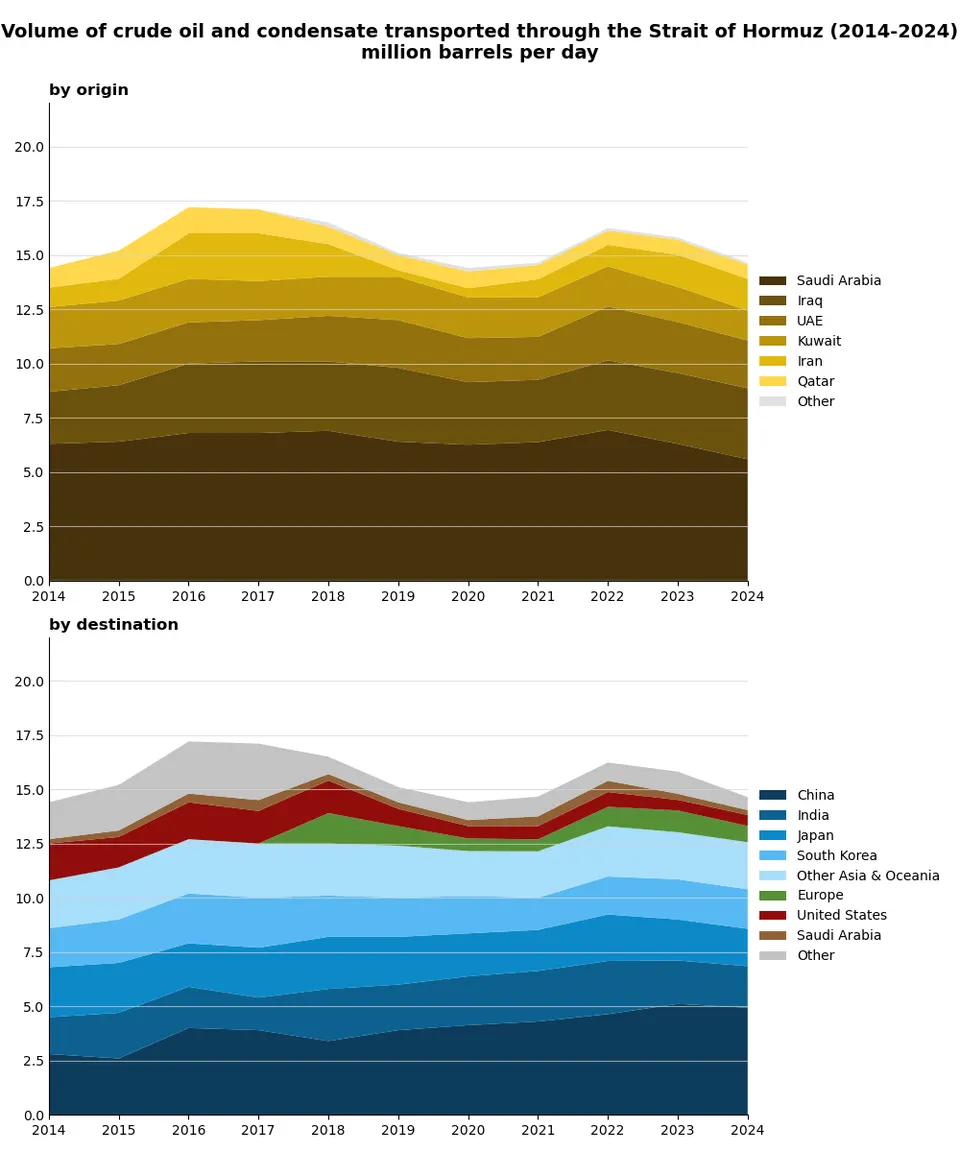
The Strait of Hormuz is a narrow waterway, only about 21 miles (33 km) wide at its tightest point, that links the Persian Gulf with the open ocean. It lies between the Iranian coast to the north and the United Arab Emirates (UAE) and Oman to the south, making it one of the world’s most geopolitically sensitive maritime passages. Because virtually every tanker that carries crude oil out of Saudi Arabia, Kuwait, Iraq, and the United Arab Emirates must pass through this corridor, any threat to its free flow instantly becomes a global concern.
Despite its modest size, the strait handles roughly 20‑25% of the world’s daily oil supply—about 21 million barrels per day—as well as a significant share of liquefied natural gas (LNG) shipments. This concentration means that even a brief slowdown or a single incident can ripple through the entire energy market, prompting price spikes, supply‑chain disruptions, and heightened risk premiums for traders.
History provides stark reminders of the strait’s volatility. During the Iran‑Iraq war (1980‑88), both sides mined the waters, forcing ships to take longer, costlier routes. More recently, in 2019 a series of attacks on oil tankers near Hormuz sparked fears of a deliberate closure by Iran, and in early 2020 the United States and Iran exchanged threats that briefly pushed oil prices above $70 per barrel. Each episode demonstrated how quickly geopolitical tension can translate into market turbulence.
When the strait’s safety appears restored—such as during a diplomatic pause between the United States and Iran—oil prices can tumble, as seen in the recent 5% drop following the announced halt to strikes. The market reacts not only in crude but also in related assets: gold often climbs as investors seek safe‑haven stores of value, while cryptocurrencies like Bitcoin may experience heightened volatility as traders search for alternative hedges.
For investors, policymakers, and anyone tracking global economics, monitoring the Strait of Hormuz is essential. Its status acts as an early‑warning indicator of supply risk, influencing everything from fuel prices at the pump to the cost of manufacturing goods worldwide. Understanding this chokepoint helps make sense of sudden market moves and the broader interplay between geopolitics and economics.
Topics
Related Articles