Oil Plunges as Trump Halts Iran Strikes; Iran Trial Dominates Local Headlines
نفت سقوط کرد؛ ترامپ حملات به ایران را متوقف کرد؛ دادگاه جنجالی در ایران تیتر یک شد
Overnight, oil prices experienced a significant drop following President Trump's decision to halt military strikes against Iran, signaling a potential de-escalation. Meanwhile, a high-profile trial in Sydney involving former broadcaster Alan Jones has captured attention, raising sensitive questions.
At time of publishing
USD
191,400
Toman
Gold 18K
18.31M
Toman / gram
Bitcoin
$62,768
US Dollar
Tether
192,399
Toman
Market Open: Cautious Calm Amidst Global Shifts
The Iranian Toman showed a slight depreciation against the US Dollar overnight, with the sell rate moving from 191,700 to 191,400 Toman, a dip of 0.2%. This mirrors a broader global sentiment of cautiousness, even as major geopolitical tensions appear to be easing. Gold prices also saw a minor retreat, with the 18-carat gram falling by 0.1% to 18,306,477 Toman, and the Emami coin down 0.5% to 183,000,000 Toman. These movements suggest that while immediate risk premiums may be receding, investors are still weighing the implications of shifting global dynamics.
The cryptocurrency market remains volatile, with Bitcoin trading around $62,768. While the price delta for BTC wasn't provided, recent market reports indicate a tight trading range, suggesting a period of consolidation. The global economic backdrop, influenced by geopolitical de-escalation but also persistent inflation concerns, means that markets are likely to remain sensitive to news flow. For Iranian traders, the slight weakening of the Toman against the dollar, coupled with falling gold prices, presents a complex picture, demanding careful navigation of both domestic and international market signals.
Oil Prices Plummet as Trump Halts Iran Strike Plans
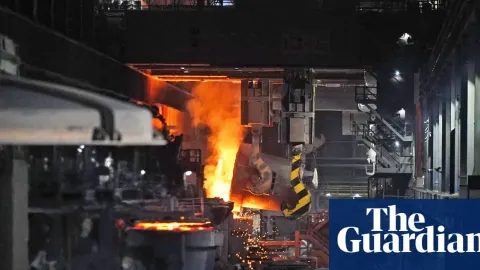
In a move that sent shockwaves through global energy markets, oil prices experienced a sharp decline of approximately 5% in early Asian trade. This dramatic fall was directly attributed to President Trump's decision to call off planned military strikes against Iran. The development has been interpreted as a significant de-escalation of tensions in the Middle East, a region critical for global oil supply. West Texas Intermediate futures dropped to $79.77 per barrel, while Brent futures fell to $83.47, erasing some of the substantial gains seen in July.
Why this matters is multifaceted. Firstly, the immediate impact is a relief for economies sensitive to energy costs, potentially easing inflationary pressures worldwide. For Iran, while the immediate threat of military action has receded, the underlying geopolitical situation remains precarious. This halt in strikes, however, opens a window for diplomatic solutions, as suggested by reports of Trump hinting at new talks. The market's rapid reaction underscores the sensitivity of oil prices to geopolitical stability, particularly concerning the Strait of Hormuz, a vital artery for global oil transport.
The broader implication is a shift in risk appetite across financial markets. A reduction in immediate conflict risk in a major oil-producing region can lead investors to move away from safe-haven assets and towards riskier investments. This could have knock-on effects on currency markets, including the Iranian Rial, and potentially influence investor confidence in emerging markets. The situation remains fluid, and any renewed escalation would likely see prices rebound sharply.
Alan Jones Trial: Sensitive Allegations Surface in Sydney
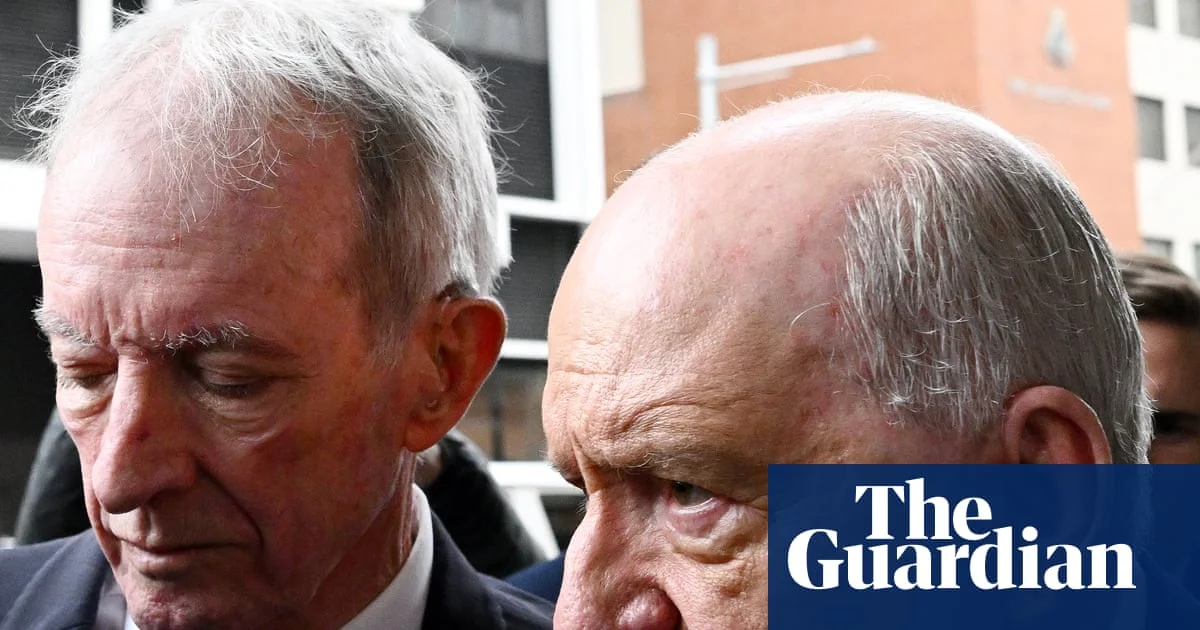
Dominating headlines from Australia, a high-profile trial involving former radio broadcaster Alan Jones has begun, bringing serious allegations to the forefront. Jones, 85, faces 22 charges, including indecent assault and sexual touching, relating to interactions with a champion athlete when the complainant was 14. Court testimony revealed that Jones allegedly befriended the young athlete after he broke a record, subsequently providing him with a mobile phone, a car, and weekly cash payments of up to $600.
This case, unfolding in Sydney, highlights sensitive issues concerning power dynamics and alleged misconduct. Jones has pleaded not guilty to all charges. The testimony from the complainant, identified as J, on the first day of the trial, has drawn significant media attention. The details emerging from the courtroom paint a picture of a relationship that developed under circumstances that are now under intense legal scrutiny. This story, while primarily a domestic legal matter for Australia, resonates globally as a reminder of the complexities and consequences of alleged abuse of power.
For Iranian readers, while the direct financial or geopolitical impact is negligible, such stories often reflect broader societal conversations about accountability, justice, and the media's role. In a country where public discourse is heavily controlled, the airing of such serious allegations in an open court, even in a distant country, can serve as a point of contrast. The unfolding trial serves as a stark reminder of the legal processes and public scrutiny that can follow allegations of wrongdoing, regardless of a person's public standing.
South Korea Swelters Under Record-Breaking Heatwave
South Korea is currently grappling with an unprecedented heatwave, as temperatures soared to record highs, exceeding 42.5C in the southeastern city of Yangsan. This marks the highest temperature recorded since modern weather observations began in 1904. In response to the extreme conditions, authorities have issued urgent warnings, advising citizens to "immediately" cease all outdoor activities and highlighting the dangers of indoor spaces without adequate air conditioning. The Korea Meteorological Administration (KMA) confirmed the staggering figures, indicating a prolonged period of intense heat affecting the nation.
The implications of such extreme weather events extend beyond immediate public health concerns. Record-breaking temperatures can significantly impact agricultural yields, strain energy grids due to increased demand for cooling, and disrupt economic activity. For global markets, a severe heatwave in a major economy like South Korea can lead to supply chain disruptions and affect consumer spending patterns. Furthermore, such events are increasingly seen as stark indicators of climate change, prompting discussions about adaptation strategies and the long-term economic consequences of a warming planet.
While this story is geographically specific, it forms part of a larger global narrative about the increasing frequency and intensity of extreme weather events. The economic fallout from such climate-related disasters can be substantial, affecting everything from commodity prices to insurance markets. As nations grapple with these challenges, the need for robust climate policies and infrastructure resilience becomes ever more apparent, with potential long-term impacts on global trade and investment flows.

Iran Strike Halt's Impact on Regional Stability
The decision by President Trump to halt military strikes against Iran has had a palpable impact on regional stability, albeit with underlying complexities. While the immediate cessation of hostilities has eased fears of a wider conflict, the fundamental geopolitical issues between the US and Iran, and within the region, remain unresolved. Reports suggest Trump is open to new talks, a diplomatic avenue that offers a glimmer of hope for de-escalation, but Tehran's response has been notably absent so far. This diplomatic opening, however fragile, has allowed for a significant reassessment of risk in the energy markets.
For Iran, this development is a double-edged sword. On one hand, it averts immediate military devastation and potential sanctions escalation tied to direct conflict. On the other, it leaves the core issues of Iran's nuclear program, regional influence, and economic isolation unaddressed. The narrative of potential talks, especially if they lead nowhere or result in unfavorable terms for Iran, could further strain domestic confidence. State media has remained largely silent on the direct suggestion of talks, reflecting a cautious approach amid internal political dynamics and external pressures.
The broader regional implication is a temporary reprieve from immediate conflict, but the long-term strategic landscape remains tense. Neighboring countries will be watching closely, as will global powers. The effectiveness of this diplomatic pause hinges on genuine engagement from all parties and a willingness to address the root causes of the conflict. Without substantive progress, the risk of future flare-ups remains, impacting trade routes, investor confidence, and the stability of energy supplies, which directly affects global markets and potentially the value of currencies like the Iranian Toman.

Frequently Asked Questions
What is the immediate impact of Trump halting strikes on Iran?
What are the key allegations in the Alan Jones trial?
How is the heatwave in South Korea affecting the country?
What is the current trend for the USD/IRR exchange rate?
Are there any new developments in the crypto market mentioned?
Geopolitical Risk Premium and Oil Price Shocks
The price of crude oil does not move solely because of changes in supply and demand; it is also heavily influenced by the perceived risk of political events that could disrupt production or transport. This extra component is known as the geopolitical risk premium – a price bump that traders add to the market price to hedge against the possibility of sudden supply interruptions caused by wars, sanctions, or diplomatic crises. When the risk rises, oil prices climb even if physical inventories remain stable; when the risk falls, the premium evaporates, often leading to sharp price drops.
In the context of the Middle East, the risk premium can swing dramatically. A decision by a major power—such as the United States halting planned strikes against Iran—can signal a de‑escalation of conflict, reducing the perceived threat to Iranian oil exports and to regional shipping lanes like the Strait of Hormuz. Traders quickly reassess the likelihood of supply disruptions, and the premium can shrink within hours, causing a price plunge despite unchanged fundamentals. Conversely, announcements of new sanctions or military actions tend to push the premium upward, inflating prices.
Understanding the risk premium helps explain why oil markets often react more violently to headlines than to actual changes in production. It also underlines the importance of political risk analysis for investors, policymakers, and businesses that depend on stable energy costs. By separating the “base price” (reflecting global supply‑demand balance) from the “risk premium” (reflecting geopolitical uncertainty), analysts can better forecast price movements and assess the true impact of diplomatic events.
The concept is not limited to oil; any commodity with a geographically concentrated supply—such as natural gas, rare earth metals, or even agricultural products—can carry a geopolitical risk premium. However, because oil fuels the global economy, its price swings reverberate through inflation, exchange rates, and fiscal budgets worldwide, making the premium a key focus of macro‑economic policy and financial market strategy.