Strait of Hormuz Tensions Flare: Oil Tanker Hit by Explosions Amid Iran-Oman Deal Buzz
تنشها در تنگه هرمز اوج گرفت: تانکر نفتکش دچار انفجار شد، همزمان با خبر توافق ایران و عمان
Overnight, an oil tanker reported explosions near the Strait of Hormuz, escalating regional tensions. This comes as Iran and Oman are reportedly finalizing a deal for joint management of the crucial waterway, a development that could significantly impact global energy markets and regional stability.
At time of publishing
USD
187,400
Toman
Gold 18K
18.58M
Toman / gram
Bitcoin
$64,809
US Dollar
Tether
188,400
Toman
Market Open: Cautious Start as Hormuz Tensions Simmer
The USD/IRR pair has seen a slight uptick overnight, trading at 187,400, marking a 0.1% increase from yesterday's close. This modest rise, while small, occurs against a backdrop of heightened geopolitical risk stemming from the Strait of Hormuz. Gold gram prices also edged up by 0.1% to 18,583,498 Toman, mirroring the cautious sentiment as investors digest the latest developments in the Persian Gulf. The Emami coin, a key indicator of domestic confidence, showed a more robust gain of 0.5%, reaching 185,000,000 Toman, perhaps suggesting that while regional instability is a concern, it hasn't yet dampened local market sentiment significantly.
The broader market mood remains one of watchful anticipation. While the explosions reported near the Strait of Hormuz are a stark reminder of the region's volatility, the simultaneous news of a potential Iran-Oman deal to jointly manage the waterway offers a counterpoint of potential de-escalation. This duality is likely contributing to the mixed signals in the market, with the dollar showing slight upward pressure and gold, a traditional safe haven, also seeing a modest rise. Investors will be closely watching for any further details on the tanker incident and the progress of the Iran-Oman negotiations, as these will be critical in shaping the risk appetite for the day.
---
Oil Tanker Reports Explosions in Strait of Hormuz, Escalating Regional Tensions
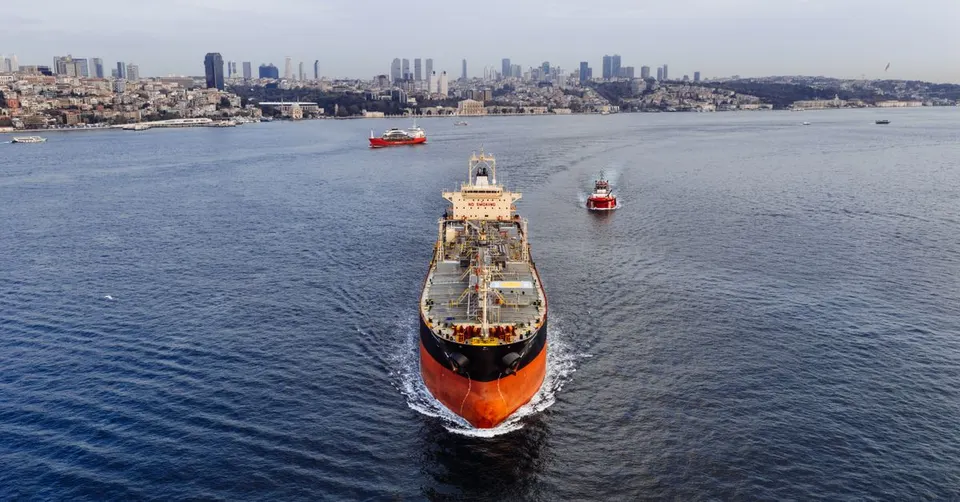
An oil tanker traversing the Strait of Hormuz, a vital chokepoint for global oil supply, has reported hearing two explosions. The incident, confirmed by a British maritime agency, has immediately sent ripples of concern through international markets, particularly in the energy sector. While details remain scarce regarding the nature of the explosions and the identity of the vessel, the mere fact of an incident in such a sensitive area is enough to trigger heightened alert levels. This event underscores the perennial risks associated with maritime security in the Persian Gulf, where geopolitical rivalries and regional tensions can quickly spill over into physical threats.
This development occurs against a complex geopolitical backdrop. Just hours before the explosion report, Iran announced that an agreement with Oman to jointly manage the Strait of Hormuz was in its final stages. This proposed deal, if finalized, could theoretically enhance maritime safety and stability in the region. However, the timing of the explosions, so close to this potentially stabilizing news, raises difficult questions. Was this incident a deliberate act to disrupt the negotiations, a consequence of existing regional friction, or an accident? The ambiguity fuels speculation and adds another layer of complexity to an already volatile situation. International observers will be scrutinizing every piece of information to understand the perpetrators and their motives.
---
Iran and Oman Inch Closer to Strait of Hormuz Management Deal Amidst Rising Risks
In parallel to the alarming reports of explosions, significant diplomatic activity is unfolding concerning the Strait of Hormuz. Iran's foreign ministry spokesman, Esmaeil Baghaei, stated that a landmark deal with neighboring Oman for the joint management of the vital waterway is in its "final stages." This potential agreement aims to enhance the security and smooth passage of vessels through the strait, which handles a significant portion of the world's oil shipments. The initiative, if successful, could be seen as a move towards de-escalating regional maritime tensions and ensuring the continued flow of commerce, a prospect that would be welcomed by global economies heavily reliant on energy imports.
The proposed joint management pact between Iran and Oman comes at a critical juncture. Shipowners have warned that any tolls or fees imposed on passage through the Strait of Hormuz would severely harm global livelihoods, highlighting the waterway's immense importance to international trade. By seeking a cooperative management framework, Iran and Oman appear to be attempting to preempt such disruptive measures while also asserting a degree of regional control. This move could be interpreted as an effort to stabilize a key global artery, potentially mitigating some of the geopolitical risks that have long plagued the region. However, the recent explosion incident casts a long shadow over these diplomatic efforts, suggesting that achieving lasting stability in the Strait of Hormuz remains an uphill battle.
---
Europe's Strategic Tightrope: Navigating a Multitude of Crises
Beyond the immediate concerns in the Strait of Hormuz, Europe finds itself increasingly tested by a confluence of global pressures. A brutal summer has underscored the continent's vulnerability to forces largely beyond its immediate control, ranging from geopolitical conflicts to environmental challenges and migration flows. The ongoing wars in Ukraine and the persistent tensions involving Iran are not merely regional issues; they have tangible impacts on European energy security, economic stability, and diplomatic influence. The continent's efforts to chart an independent course are constantly challenged by these external dynamics, forcing a continuous re-evaluation of its strategic priorities and defense capabilities.
This complex web of crises puts significant strain on European nations. Wildfires raging across southern Europe are a stark reminder of the escalating climate emergency, demanding significant resources and coordinated international action. Simultaneously, migration pressures continue to test national borders and social cohesion, often exacerbated by instability in neighboring regions. The combined effect of these challenges, from the geopolitical theaters of Eastern Europe and the Middle East to the environmental and humanitarian crises, creates a precarious balancing act for European leaders. Their ability to maintain control over their own fate hinges on navigating these multifaceted threats effectively while also managing domestic political pressures and economic headwinds.

Frequently Asked Questions
What happened to the oil tanker in the Strait of Hormuz?
What is the significance of the Strait of Hormuz?
What is the Iran-Oman deal regarding the Strait of Hormuz?
How are these events affecting the Iranian market?
What are Europe's current challenges?
Why the Strait of Hormuz Is a Global Energy Chokepoint
The Strait of Hormuz, a narrow waterway between Iran and Oman, is one of the world’s most critical maritime chokepoints. At its narrowest point the channel is only about 21 nautical miles wide, yet it carries roughly 20‑30% of global oil trade and a significant share of liquefied natural gas shipments. Because almost all of the oil exported from the Gulf‑Coast nations – Saudi Arabia, Iraq, Kuwait, United Arab Emirates and Iran – must pass through this corridor, any disruption can instantly ripple through international energy markets, pushing up crude prices and affecting everything from gasoline to airline tickets.
Geopolitically, the strait sits at the intersection of rival regional powers and global interests. Iran’s strategic doctrine treats control of the waterway as a lever to influence foreign policy, while the United States and its allies maintain a naval presence to ensure freedom of navigation. Incidents such as the recent explosion on an oil tanker illustrate how quickly a localized event can become a flashpoint, prompting insurance premiums to rise, shipping routes to be rerouted, and market participants to price in a “risk premium” for potential supply shocks.
From an economic perspective, the strait’s importance is reflected in the concept of supply‑side risk. When traders anticipate a possible closure, they may engage in forward buying, stockpiling, or hedging with futures contracts, all of which can drive up spot prices even before any physical interruption occurs. This dynamic was evident in the sharp price spikes following the 2019 attacks on tankers in the region, and it recurs whenever tensions flare, underscoring how geopolitical risk is baked into the price of oil.
Understanding the strategic role of the Strait of Hormuz helps explain why seemingly small incidents can have outsized effects on global inflation, exchange rates (including USD/IRR movements), and even the price of safe‑haven assets like gold. It also highlights why policymakers and investors closely monitor diplomatic developments between Iran, Oman, and other regional actors.
Topics
Related Articles