Trade Wars and Territory Claims: Global Tension Spikes as Canada Hits Back at Trump and Ukraine Mourns
جنگ تجاری و ادعاهای ارضی: تنش جهانی با ضدحمله کانادا به ترامپ و سوگ اوکراین بالا گرفت
Global markets face a volatile weekend as Canada vows to match US tariffs dollar-for-dollar, while Trump claims the Strait of Hormuz as 'American territory' amidst escalating strikes in Ukraine.
At time of publishing
USD
190,500
Toman
Gold 18K
20.66M
Toman / gram
Bitcoin
$77,371
US Dollar
Tether
188,664
Toman
Market Open — Gold Surges While Toman Holds Breath
The Tehran market opens this Saturday with a strange decoupling. While the US Dollar remains flat at 190,500 Toman (+0.0%), the gold sector is on fire. The Emami coin has jumped a significant 3.3% overnight, now trading at 206,000,000 Toman. This surge is directly tied to the global gold price, which has reached a staggering $4,604.40 per ounce, driving local 18k gold up by 0.9% to over 20.6 million Toman per gram.
Investors are clearly hedging against geopolitical uncertainty. Bitcoin is holding steady near the $77,371 mark, but the real story is the internal flight to gold. With the dollar stabilized for the moment, the massive premium on coins suggests that local traders are anticipating a shift in the risk environment, likely driven by the aggressive rhetoric coming out of Washington and the escalating conflict in Eastern Europe.
Ukraine Under Fire: The 'Terror by Design' Escalation
The humanitarian and geopolitical situation in Ukraine has taken a darker turn over the last 12 hours. Following a devastating 'double-tap' strike on a shopping mall in Kryvyi Rih—President Zelenskyy’s hometown—which killed at least 16 people, new Russian strikes on Saturday morning have claimed more lives. Local officials report at least two dead in the latest wave of attacks, which targeted civilian infrastructure and residential areas.
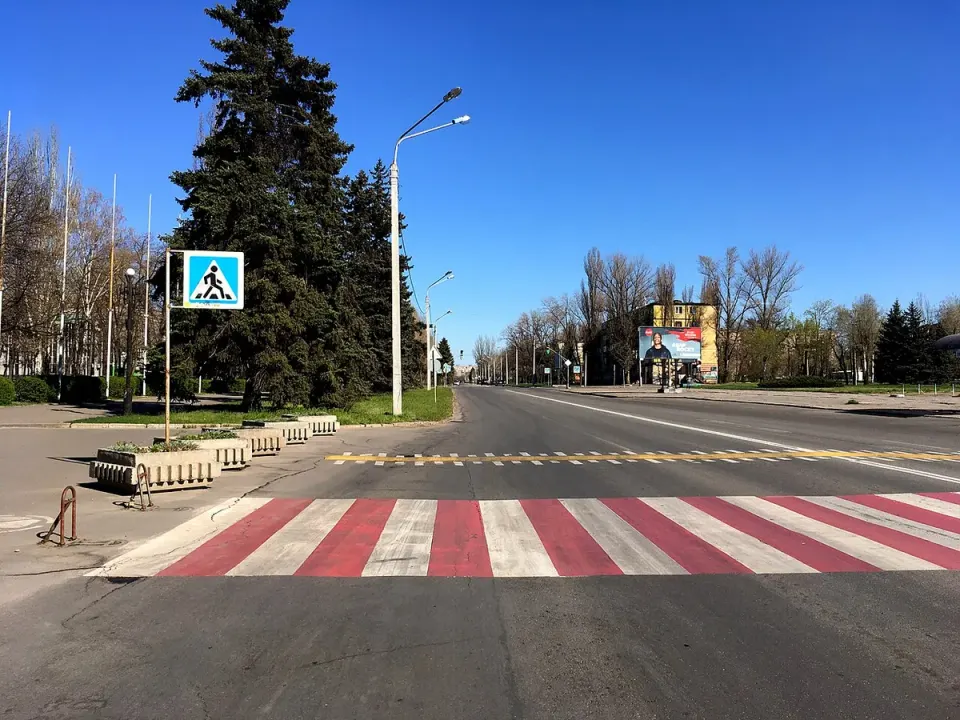
This isn't just another day of war; it is a strategic shift that the EU’s top diplomat, Kaja Kallas, has labeled "terror by design." The international community is preparing for a massive policy response. Kallas has indicated she will propose the most far-reaching sanctions against Russia to date when EU ministers meet next month. For the markets, this means the 'peace dividend' is further away than ever, and the energy and commodity supply chains remain under extreme threat, keeping a floor under global gold and oil prices.
Canada vs. Trump: The Trade War Goes Atomic
In a move that has shocked North American markets, trade negotiations between Canada and the United States have collapsed. Prime Minister Mark Carney has officially suspended talks after accusing the Trump administration of introducing "unfair and uneconomic" last-minute changes to a proposed deal. As of midnight Friday, the U.S. has moved forward with 50% tariffs on $20 billion of Canadian imports.
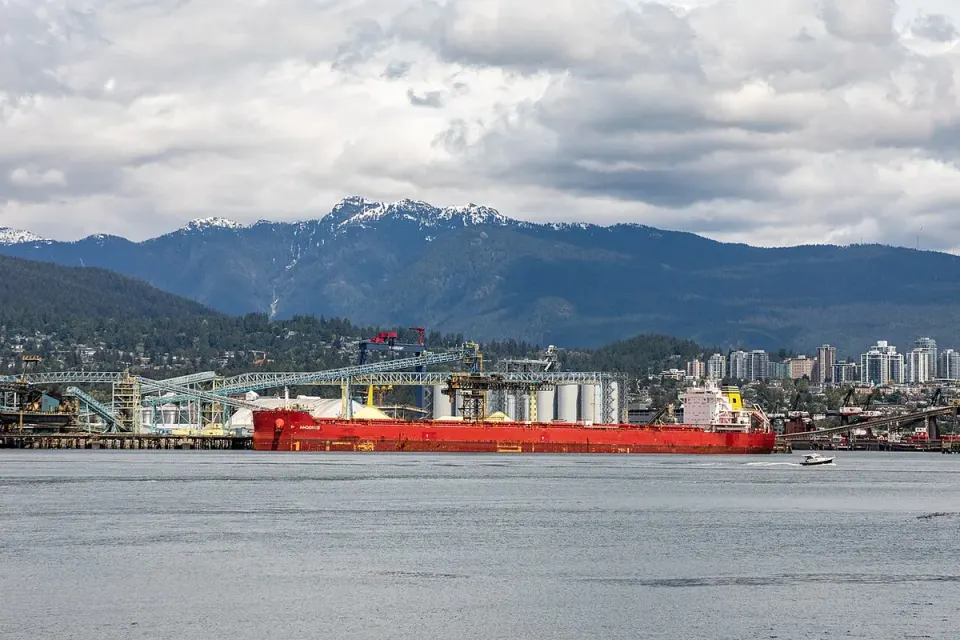
Carney’s response was swift and uncompromising: Canada will match these tariffs "dollar for dollar." This escalation marks the beginning of a full-scale trade war between the world’s largest trading partners. What does this mean for you? It signals a return to global protectionism that will inevitably drive up the cost of goods and fuel inflation globally. If the two most integrated economies in the world can't find common ground, the hope for global trade stability in 2026 is rapidly fading.
The Hormuz Claim: Trump’s New Frontier and the IRGC Response
Closer to home, Donald Trump has sent shockwaves through the region by claiming he views the Strait of Hormuz as "American territory." Speaking at a rally in South Carolina, Trump justified the ongoing U.S. naval blockade by suggesting that the strategic waterway is effectively under U.S. sovereignty. This is a massive departure from international law and a direct provocation to Tehran, which views the strait as its own backyard and a vital national security interest.
In Tehran, the response was immediate if predictable. IRGC Commander-in-Chief Ahmad Vahidi stated that "enemies will never stop plotting" and emphasized the need to double down on defensive production. Iranian state media claims that defense production has already doubled in the past year. While much of this is rhetorical posturing, the combination of Trump’s territorial claims and the IRGC’s vow of resistance keeps the 'war risk' premium high in the Toman market. When the Strait of Hormuz is mentioned in such aggressive terms, the market rarely stays quiet for long.
Frequently Asked Questions
Why did the price of gold coins jump 3.3% while the dollar remained stable?
What are the implications of Trump calling the Strait of Hormuz 'American territory'?
How will the Canada-US trade war affect the global economy?
Understanding Tariffs and Trade Wars
Tariffs are taxes imposed by a government on imported goods, and they are the most common tool used in a trade war. When a country raises tariffs on another nation's products, the targeted country often retaliates with its own duties, creating a cycle that can quickly expand beyond the original dispute. This escalation not only raises the price of consumer goods but also disrupts global supply chains, forcing businesses to seek alternative sources or absorb higher costs.
The economic impact of a trade war is felt in several ways. First, higher import costs can lead to inflation, as households pay more for everyday items ranging from electronics to food. Second, exporters may see reduced demand if their goods become too expensive for foreign buyers, potentially leading to layoffs and slower economic growth. Third, the uncertainty surrounding policy changes can dampen investment, as firms hesitate to commit capital when future market conditions are unclear.
Commodity markets, especially gold, are particularly sensitive to trade‑war turbulence. Investors often view gold as a safe‑haven asset; when tariffs spike and geopolitical tensions rise—such as the US‑Iran standoff in the Strait of Hormuz—gold prices can surge, as seen in early 2026 when the metal broke past the $2,300 per ounce mark. This price movement reflects both inflation fears and the search for assets that preserve value amid currency volatility.
Policymakers like former Bank of Canada Governor Mark Carney have warned that prolonged trade conflicts can undermine monetary policy effectiveness. By feeding inflation and distorting trade flows, tariffs can limit central banks’ ability to control interest rates, creating a feedback loop that complicates efforts to stabilize economies. Understanding the mechanics of tariffs helps citizens grasp why a single policy decision can ripple through everything from grocery bills to global gold prices.
In short, tariffs are more than just a line on a customs form; they are a strategic lever that can reshape international relations, affect inflation, and shift investor behavior. Recognising the broader consequences of trade wars equips consumers, investors, and policymakers to navigate the complex web of modern global trade.