Trump’s Canada Taunts and Tehran’s 'Enemy' Warning: A Sunday of Escalations
تنش در مرزهای شمال و جنوب: از جنگ تجاری ترامپ با کانادا تا خطونشان جدید امنیتی تهران
Donald Trump triggers a historic trade war with Canada, while Iran’s new security chief warns neighbors they will be treated as 'enemies' if they support US sanctions. Meanwhile, Tehran's gold coin market sees a surprising 2.4% jump despite a dip in global gold prices.
At time of publishing
USD
195,400
Toman
Gold 18K
21.38M
Toman / gram
Bitcoin
$76,092
US Dollar
Tether
194,082
Toman
Market Open — Gold Coin Defies Global Gravity
Good morning from the Arzbin newsroom. This Sunday, August 23, 2026, the Iranian market opens with a notable divergence. While the US Dollar (USD/IRR) has remained remarkably flat at 195,400 Toman (+0.0%), the gold market is telling two different stories. Global gold remains historically high at $4,604 per ounce, but local 18k gold grams actually slipped slightly by 0.2% to 21,376,794 Toman.
However, the real action is in the Emami coin, which surged 2.4% to reach 214,000,000 Toman. This decoupling of coin prices from the underlying gold weight suggests a spike in speculative demand or a perceived shortage in the physical market. Bitcoin continues its consolidation phase, trading at $76,092, as the crypto world watches the fallout from yet another high-profile exchange leadership disappearance. For the Iranian saver, the message is clear: the 'bubble' in minted coins is expanding even as the currency finds a temporary, if fragile, floor.
The North American Divorce: Trump vs. Carney
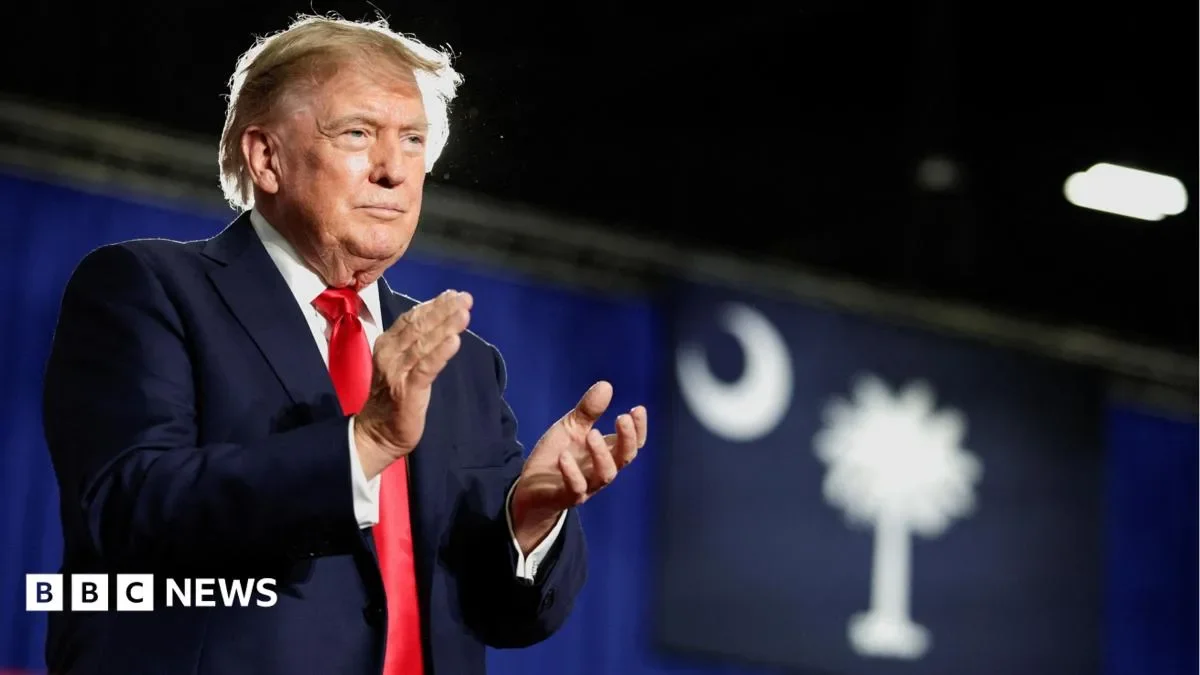
In a move that has sent shockwaves through global markets, President Donald Trump has effectively declared a trade war on Canada, suggesting the northern neighbor merely wants the "benefits" of being a US state without the obligations. Canadian Prime Minister Mark Carney, in a sharp departure from traditional diplomatic reserve, has announced "dollar-for-dollar" retaliatory tariffs on American steel, electronics, and other goods starting September 8. Carney described the US move as a massive "miscalculation" that threatens the integrated supply chains of the entire continent.
This is not just a regional spat; it is a fundamental shift in the global economic order. For years, the US-Canada relationship was the bedrock of Western trade stability. By imposing these tariffs, Trump is signaling a move toward a more isolationist, fortress-like American economy. For global investors, this means increased volatility and potential inflationary pressure as cheap Canadian resources become more expensive for US manufacturers. The breakdown in talks over the weekend suggests that neither side is ready to blink, turning one of the world's most peaceful borders into a front line of economic combat.
Tehran’s Security Chief Issues a Regional Ultimatum
Closer to home, Mohsen Rezaei, the newly appointed head of Iran’s Supreme National Security Council, has used his first major interview to draw a hard line in the sand. Rezaei warned that any neighboring countries that assist the United States in its "economic war" against Tehran will be officially classified as "enemies." He specifically threatened to target alternative oil-shipping routes in the Gulf if Iran's own interests are compromised by US-led efforts to squeeze the economy.

This rhetoric marks a significant escalation in regional tensions. By suggesting that neighbors joining US sanctions regimes would be treated as combatants, Tehran is attempting to create a security perimeter that forces Gulf states to choose between Washington and their own immediate safety. While Rezaei’s claims are framed as defensive measures against "American aggression," they introduce a high level of risk for maritime trade in the Strait of Hormuz. For the Iranian reader, this implies that the geopolitical risk premium on the Toman is unlikely to fade anytime soon, as the threat of regional friction remains at its highest point in years.
Political Instability from Mexico to Australia
Beyond the major trade and security headlines, the global geopolitical landscape is shifting underfoot. In Mexico, the Governor of Sinaloa, Rubén Rocha Moya, has once again left office following intense pressure and allegations from the US regarding ties to cartels. This political vacuum in a key Mexican state adds another layer of uncertainty to the North American trade dynamic, especially as the US looks to secure its southern border while simultaneously fighting a trade war on its northern one.
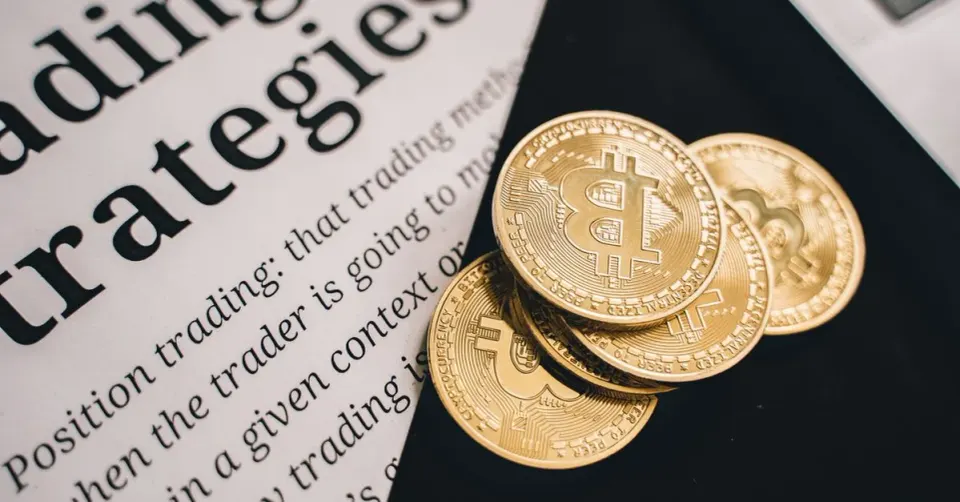
Meanwhile, in Australia, political confusion reigns as the One Nation party struggles to differentiate its migration targets from the Labor government’s policies. These seemingly disparate events—from Mexican corruption scandals to Australian electoral disputes—point to a world where established political norms are being challenged by populist movements and internal strife. For those watching the markets, this global instability reinforces the appeal of "hard assets" like gold and Bitcoin, which continue to attract capital as traditional political and economic alliances fray at the edges.
Frequently Asked Questions
Why is the Emami coin rising while gold grams are falling?
What does the US-Canada trade war mean for global inflation?
How serious is Mohsen Rezaei's warning to neighboring countries?
Why the Strait of Hormuz Matters: The World’s Most Critical Oil Chokepoint
The Strait of Hormuz is a narrow waterway that links the Persian Gulf with the Gulf of Oman and the open ocean. At its narrowest point it is only about 21 miles (34 km) wide, yet more than 20% of the world’s daily oil consumption – roughly 18‑20 million barrels – passes through it each day. Because so much oil, as well as liquefied natural gas, must squeeze through this bottleneck, any disruption can instantly reverberate through global energy markets, pushing prices for crude and even gold higher, as investors seek safe‑haven assets.
A “strategic chokepoint” is a geographic location where a small amount of terrain controls the flow of a large volume of trade or military movement. The Hormuz corridor fits this definition perfectly: it is the only maritime exit for the oil‑rich nations of Saudi Arabia, Kuwait, the United Arab Emirates, Qatar and Iran. Because the United States and its allies maintain a naval presence there, the strait also serves as a flashpoint for geopolitical rivalry. When Iran’s Revolutionary Guard threatens to close the strait in response to sanctions or military actions, the world watches for a sudden spike in oil prices and a scramble for alternative routes.
History shows how volatile the strait can be. During the 1980‑88 Iran‑Iraq War, both sides launched “tanker wars” that saw dozens of vessels attacked, prompting the U.S. Navy’s “Operation Earnest Will” to escort commercial ships. More recently, in 2019 the United Kingdom’s HMS Duncan seized a vessel suspected of carrying Iranian weapons, and Iran responded with missile drills near the waterway. Each incident, even when short‑lived, caused Brent crude to jump several dollars per barrel, illustrating the market’s sensitivity to perceived supply risks.
Today, the strait’s importance is amplified by broader trade tensions. U.S. and Canadian retaliatory tariffs, as well as Iran’s “economic war” against Western sanctions, create a backdrop where any escalation in Hormuz could be used as leverage. Energy analysts therefore monitor naval deployments, satellite imagery of ship traffic, and diplomatic statements closely. Understanding the strait’s role helps explain why headlines about gold prices hitting $4,600 per ounce or sudden spikes in Iranian coin values often trace back to a single, narrow channel of water.
In short, the Strait of Hormuz is more than a geographic curiosity; it is a linchpin of the global energy system. Its vulnerability underscores why countries invest heavily in naval security, diversify supply routes, and maintain strategic petroleum reserves. For anyone watching the headlines about tariffs, oil routes, or commodity price swings, grasping the concept of a strategic chokepoint provides a clear lens through which to interpret the underlying dynamics.
Topics
Related Articles