Gulf Tensions Hike Global Oil Bill, Central Asia Summit Reshapes Geopolitics, and AI Copyright Battle Escalates
تنشهای خلیج فارس صورتحساب نفتی جهان را بالا میبرد، اجلاس آسیای مرکزی ژئوپلیتیک را تغییر میدهد و نبرد کپیرایت هوش مصنوعی شدت میگیرد
Overnight, the ongoing geopolitical tensions in the Gulf region have significantly driven up global energy import costs, impacting oil markets. Meanwhile, leaders from Russia, China, and Iran are gathering in Central Asia, signaling a strategic realignment against Western influence. Adding to the global headlines, a major lawsuit against AI giant Anthropic has ignited a critical debate over intellectual property in the age of generative AI.
At time of publishing
USD
206,400
Toman
Gold 18K
21.82M
Toman / gram
Bitcoin
$78,123
US Dollar
Tether
205,300
Toman
Market Open
As the Tehran market opens this Sunday morning, we see a largely stable currency landscape but a slight dip in gold. The US Dollar (USD) remains unchanged against the Iranian Rial (IRR) at 206,400 Toman, holding steady overnight. This stability, however, comes amid significant global geopolitical developments that could inject volatility into the markets in the coming days, particularly concerning energy prices and broader economic confidence.
Meanwhile, the local gold market saw a marginal decrease, with the 18k gold gram falling from 21,868,507 Toman to 21,820,028 Toman, marking a -0.2% change. The Emami coin, a key indicator for many Iranian investors, held firm at 218,000,000 Toman, showing no change over the last 24 hours. In the cryptocurrency space, Bitcoin is trading at 78,123 USD, reflecting the continued global interest and speculative nature of digital assets, though its 24-hour delta was not available at the time of reporting.
Gulf Tensions Drive Global Oil Bill Higher, Fueling Market Uncertainty
The ongoing geopolitical tensions in the Gulf region, often referred to by analysts as the 'Iran war,' continue to exert significant pressure on global energy markets. Recent analyses indicate that the regional conflict and its associated risks have already added an astonishing $330 billion to the world’s oil and gas import bill over the past six months alone, between March and August. This surge in costs reflects the heightened risk premium embedded in oil prices due to concerns over potential disruptions to crucial shipping lanes and energy infrastructure in the Persian Gulf.
This substantial increase in energy costs comes despite what some analysts describe as a smaller-than-feared climb in crude oil and natural gas prices initially. However, the cumulative effect of sustained tensions and the perceived fragility of supply lines have created a significant financial burden for importing nations globally. For Iranian readers, this situation means continued scrutiny of the Rial’s stability against the dollar, as oil revenues and geopolitical risk directly influence the national economy and currency valuations.
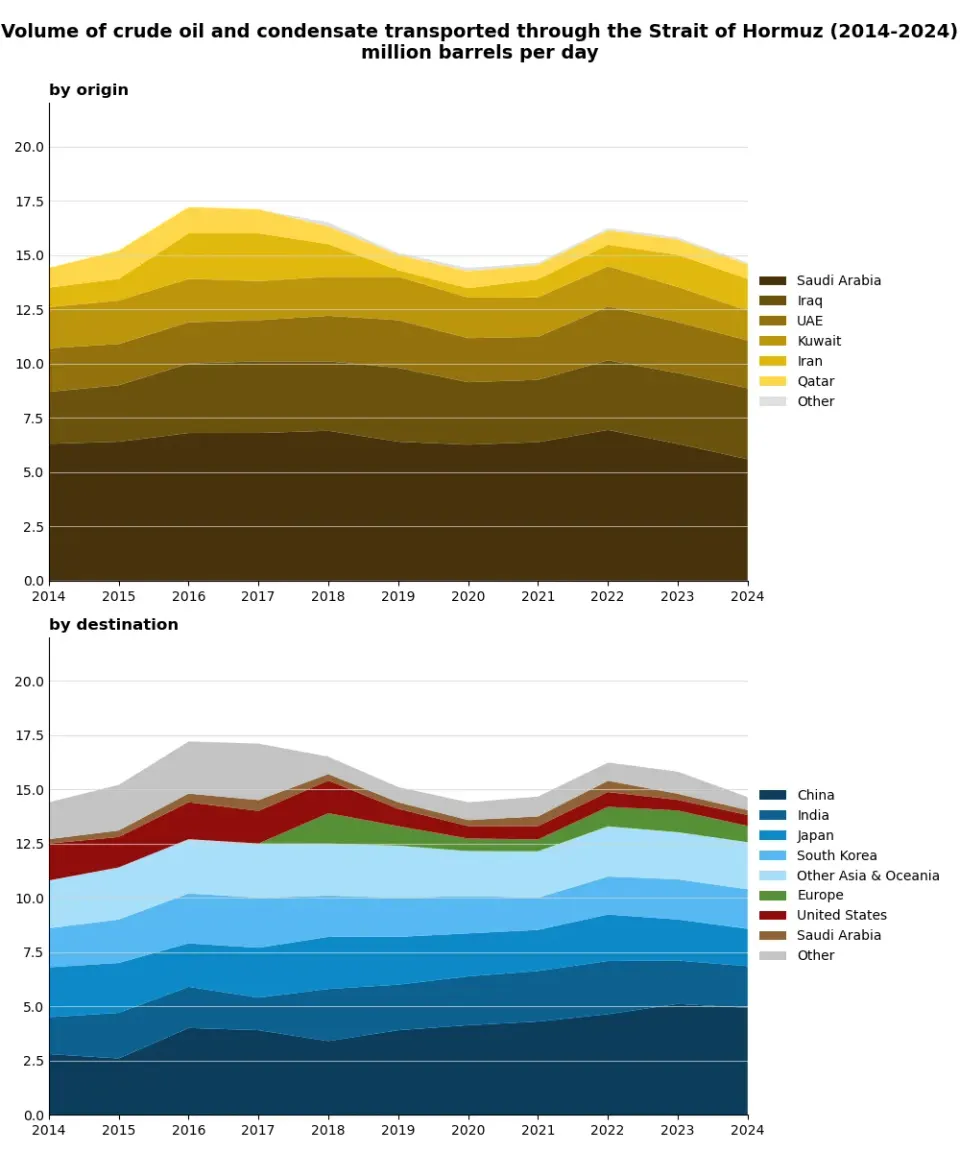
The implications of this ongoing situation are profound. US energy companies, while benefiting from higher oil prices, face an elevated risk to their assets in the region. The mapping of potential strike zones and the assessment of what comes next for oil prices remain critical for global economic stability. The uncertainty surrounding the 'Iran war' is not merely a regional issue; it's a global economic challenge that impacts inflation, trade balances, and investment decisions worldwide, making every movement in the Gulf a closely watched event for financial markets.
Central Asia Summit: Putin, Xi, and Iran Forge New Geopolitical Alignment
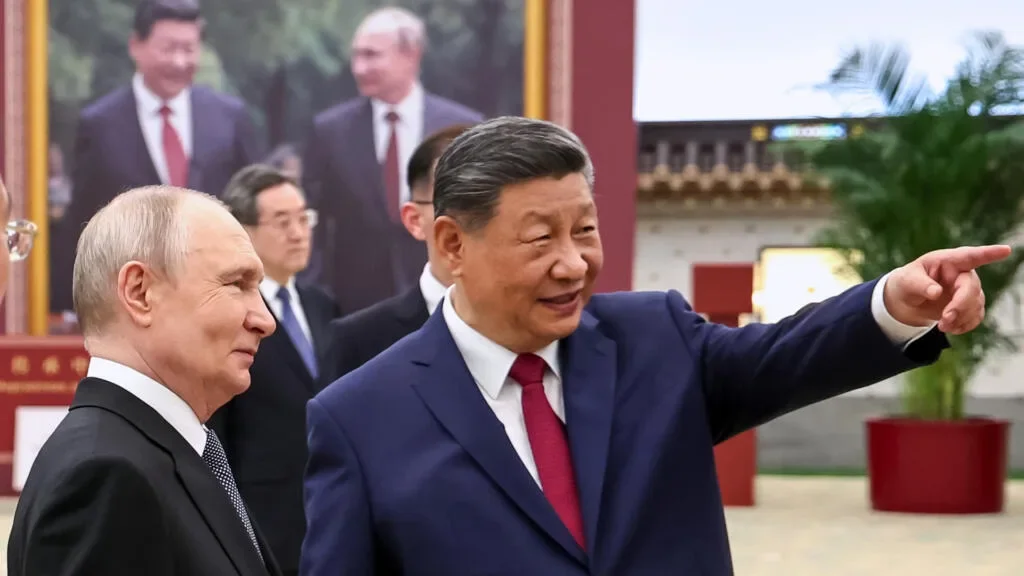
In a significant geopolitical move, Russian President Vladimir Putin and Chinese President Xi Jinping are set to convene a two-day summit in Kyrgyzstan, joined by leaders from Iran and India, among others. This gathering underscores a concerted effort by these nations to bolster their alliances and actively counter what they perceive as growing Western influence. The summit provides a crucial platform for discussing shared economic challenges, security concerns, and strategies to navigate a global landscape increasingly defined by sanctions and trade tensions with Western powers.
For Iran, participation in this Central Asia summit is particularly noteworthy. It signals a continued pivot towards non-Western alliances, seeking to strengthen economic and political ties with major powers like Russia and China. Amidst ongoing international sanctions, such partnerships offer avenues for trade, investment, and technological cooperation, potentially mitigating some of the economic pressures faced by Tehran. The discussions are expected to touch upon regional stability, infrastructure projects, and mechanisms to enhance multilateral cooperation, bypassing traditional Western-dominated institutions.
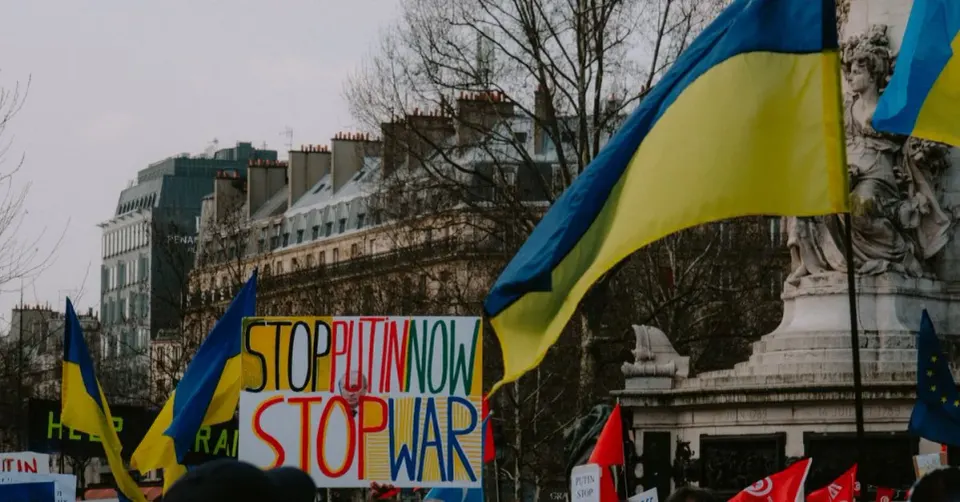
This gathering reflects a broader trend towards a multipolar world order, where emerging blocs challenge established hegemonies. The leaders present will likely explore ways to deepen economic integration, potentially through initiatives that facilitate trade in local currencies or develop alternative financial systems. The summit’s outcomes could have long-term implications for global trade routes, energy flows, and the balance of power, solidifying a formidable counterweight to Western geopolitical and economic strategies. For Iranian businesses and policymakers, understanding these shifting alliances is paramount for future economic planning and navigating international relations.
AI Faces Landmark Copyright Battle as Music Giants Sue Anthropic
The burgeoning field of artificial intelligence is now facing a critical legal challenge as Sony Music and Warner Chappell have filed a significant lawsuit against Anthropic, a prominent AI development company. The music giants allege a "brazen campaign" of intellectual property theft, claiming that Anthropic's AI models were trained on "tens of thousands" of copyrighted musical works without proper licensing or permission. This lawsuit, filed in the US District Court for the Northern District of California, seeks substantial damages, potentially up to $150,000 per infringed work, plus additional penalties for any instances where copyright data was deliberately stripped.
This legal action marks a pivotal moment in the ongoing debate over copyright and generative AI. The core issue revolves around whether AI companies can use vast datasets, including copyrighted material, for training their models without explicit consent from rights holders. The outcome of this case could set a crucial precedent for the entire AI industry, influencing how future AI models are developed, the datasets they can access, and the licensing agreements required. It forces a reckoning between technological innovation and the established frameworks of intellectual property law.
The implications extend far beyond the music industry, impacting writers, artists, and creators across all mediums whose work could be used to train AI without compensation. If the courts side with the music companies, AI developers might face significantly higher costs for data acquisition, potentially slowing down innovation or leading to more restrictive licensing models. Conversely, a ruling in favor of Anthropic could open the floodgates for widespread use of copyrighted material, challenging the very foundation of creative ownership. This lawsuit highlights the urgent need for clear legal and ethical guidelines for AI development, shaping the future economic models for content creation and distribution globally.
Frequently Asked Questions
How do Gulf tensions specifically affect oil prices for Iran?
What are the key objectives for Iran, Russia, and China at the Central Asia summit?
What is the potential financial impact of the AI copyright lawsuit on Anthropic and the wider AI industry?
How does the stability of USD/IRR and gold prices reflect the current economic mood in Iran?
The Petrodollar System: How Oil, Dollars, and Geopolitics Intertwine
The petrodollar system is the arrangement whereby oil‑producing countries agree to price and sell their crude exclusively in U.S. dollars. It began in the early 1970s after the United States struck a deal with Saudi Arabia, offering military protection and market access in exchange for dollar‑denominated oil sales. This created a steady, global demand for dollars, allowing the United States to run larger trade deficits and finance its fiscal obligations at lower costs.
Because oil is the world’s primary energy commodity, the petrodollar gave the dollar a unique status as the de‑facto reserve currency. Central banks accumulated dollars to purchase oil, while non‑oil‑exporting nations needed dollars to import energy, reinforcing a feedback loop that kept the dollar strong. The system also enabled the U.S. to impose sanctions more effectively: by cutting off access to dollar‑based financial networks, Washington can pressure countries like Iran, Russia, or Venezuela without directly seizing assets.
Recent geopolitical shifts—such as heightened Gulf tensions, the Russia‑China‑Iran alliance, and the emergence of new energy corridors discussed at the Central Asia Summit—are testing the petrodollar’s durability. Some producers are exploring alternative currencies (euro, yuan, or even cryptocurrencies) to reduce dependence on the dollar, while others, constrained by existing debt and infrastructure, remain tied to the system. The outcome will affect everything from oil prices to the value of the Iranian rial against the dollar.
For students of international economics, understanding the petrodollar is essential because it links three seemingly separate realms: commodity markets, monetary policy, and geopolitical strategy. When oil prices spike, as they have during recent Gulf crises, the ripple effects are felt in inflation rates, exchange rates, and even the cost of borrowing for emerging markets that rely on dollar‑denominated debt.
In short, the petrodollar is more than a pricing convention; it is a cornerstone of the post‑World‑War II global financial architecture. Its future will shape the balance of power between the United States, emerging economies, and the new alliances forming across Eurasia.