Mines in the Strait: Tehran's New Rocket Play and the Regional Fallout
مینگذاری موشکی در هرمز؛ تنشهای بیسابقه و جهش قیمت طلا در بازار تهران
Tensions in the Persian Gulf reach a boiling point as reports emerge of Iran modifying rocket systems to deploy sea mines. While the USD remains flat at a high plateau, gold prices in Tehran have surged over 2% overnight.
At time of publishing
USD
222,300
Toman
Gold 18K
23.29M
Toman / gram
Bitcoin
$77,725
US Dollar
Tether
219,819
Toman
Market Open — Gold Surges Amid Gulf Tensions
Good morning from the Arzbin desk. As Tehran wakes up this Thursday, the financial landscape is dominated by a sharp divergence between the currency and bullion markets. The US Dollar (USD/IRR) is holding steady at a high of 222,300 Toman, showing 0.0% movement over the last 24 hours. However, the lack of movement in the greenback doesn't signal stability; rather, it reflects a market held in a tense grip as traders weigh the risks of a major regional escalation.
Gold, the traditional safe haven, is telling a much louder story. 18k gold per gram has jumped by 2.2%, rising from 22,784,985 to 23,292,857 Toman. Similarly, the Emami coin rose by 1.3% to reach 231,000,000 Toman. In the crypto space, Bitcoin remains resilient at $77,725, despite the geopolitical jitters. This 'gold-over-currency' trend suggests that while the Rial's value is currently pinned, local capital is rapidly seeking the safety of hard assets as the drumbeat of conflict grows louder.
The Larak Strike: Rocket-Mines in the Strait
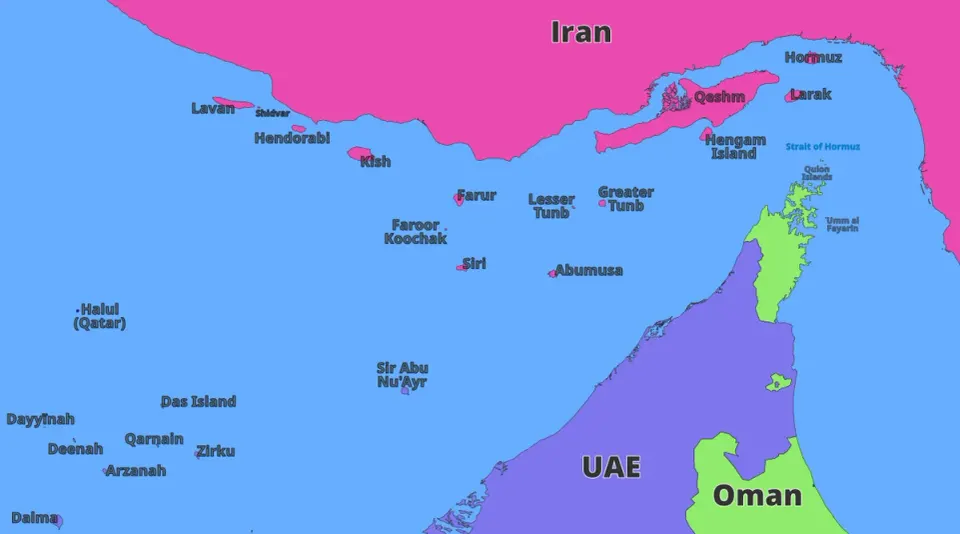
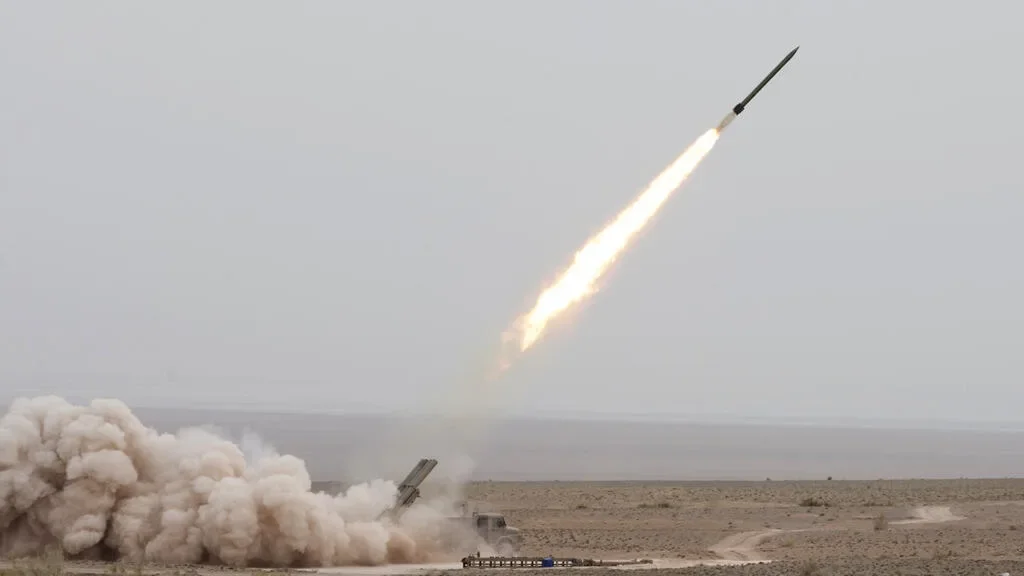
The most significant story overnight involves a potentially game-changing shift in naval warfare. Following US airstrikes on Sunday targeting rocket launchers on Larak Island, reports have surfaced suggesting that the Iranian military has modified its rocket systems to fire sea mines directly into the Strait of Hormuz. This capability, if verified, would allow for the rapid, long-range mining of the world's most critical oil chokepoint without the need for slow-moving minelaying ships, which are easily targeted by Western surveillance.
Analysts are currently debating the technical feasibility of this 'rocket-mine' system. While some remain skeptical, citing the precision required to deploy functional mines via ballistic or cruise trajectories, the mere threat has sent shockwaves through global energy markets. The US military maintains that its strikes were a preemptive response to this new capability. Meanwhile, Iranian state media (IRNA) has shifted the narrative toward a domestic tragedy, reporting that a US strike hit a home in Hormozgan during a wedding. Gholamhossein Darzi, the regime's representative to the UN, has formally labeled the incident a "war crime," though these claims remain unverified by independent international observers.
Regional Blowback: Kuwait and the UAE Under Fire

The conflict is no longer contained to the immediate shores of the Persian Gulf. Overnight, the Kuwaiti army reported intercepting a series of missile and drone attacks launched from Iranian territory. This follows a broader pattern of strikes targeting US allies and military bases across the Middle East, including Jordan, the United Arab Emirates, Bahrain, and the Kurdistan region of Iraq. The escalation marks one of the most aggressive multi-front campaigns by Tehran in recent years, aimed directly at the regional security architecture built by Washington.
This surge in kinetic activity is creating a bizarre contrast in the region. While Kuwaiti batteries were active, the BBC reported that sailors from the USS Abraham Lincoln were seen unwinding in Pattaya, Thailand, after a grueling 250-day voyage. This highlights the immense strain on US naval assets as they attempt to balance global presence with the immediate, high-intensity demands of the Middle East. For the Iranian public, these regional strikes increase the risk of further isolation and potentially more severe sanctions, even as the government attempts to project strength through its proxy and direct military actions.
Global Policy: Australia’s Tobacco Gamble

Away from the smoke of the Gulf, a significant policy battle is unfolding in Australia that highlights the global struggle with illicit trade and tax revenue. The Australian Coalition has proposed a radical 80% cut to tobacco excise taxes, arguing that current high prices have fueled a massive black market controlled by organized crime. Supporters of the move, like shadow treasurer Angus Taylor, claim it would actually increase government revenue by $2 billion annually by bringing smokers back to the legal, taxed market.
However, the move has sparked a public health firestorm. The Labor government and the Australian Medical Association have slammed the proposal, stating it will "kill people" by making cigarettes more affordable and reversing decades of progress in reducing smoking rates. This debate mirrors similar challenges in other economies where high taxes on 'sin goods' often lead to smuggling and the loss of state control over the supply chain. While seemingly unrelated to the Middle East, it underscores a universal truth for 2026: governments everywhere are struggling to balance fiscal needs, public health, and the rising tide of illicit markets.
Frequently Asked Questions
آیا مینگذاری موشکی واقعاً امکانپذیر است؟
چرا قیمت دلار با وجود تنشهای نظامی ثابت مانده است؟
تأثیر درگیریهای کویت و امارات بر اقتصاد ایران چیست؟
The Strategic Significance of Maritime Chokepoints: The Strait of Hormuz
The Strait of Hormuz is more than just a narrow body of water; it is one of the world's most critical maritime chokepoints, a term referring to a narrow channel or passage connecting two larger bodies of water, through which all naval traffic and trade must pass. Located between Iran and Oman, this 21-mile-wide waterway links the Persian Gulf with the Arabian Sea and, by extension, the world's oceans. Its strategic importance cannot be overstated, as a significant portion of the world's seaborne oil and liquefied natural gas (LNG) transits through it daily, making it indispensable for global energy markets.
A chokepoint's vulnerability lies in its confined nature, which makes it susceptible to disruption by military action, piracy, or even natural disasters. In the context of the Strait of Hormuz, any threat to its free passage – such as the deployment of rocket-launched sea mines, as suggested by the headline – immediately triggers alarm bells across the globe. Such actions could effectively blockade the flow of energy, leading to severe disruptions in global supply chains and massive spikes in international oil and gas prices. The economic fallout would be immediate and far-reaching, impacting everything from consumer prices to national economies.
For countries like Iran, control or the threat of control over the Strait of Hormuz serves as a powerful strategic lever. Disrupting this vital artery can be a means to exert pressure, retaliate against sanctions, or escalate regional conflicts. The potential for such escalation is precisely why international powers closely monitor activities in and around the Strait. Any perceived threat quickly translates into heightened military presence, diplomatic tensions, and a scramble for alternative energy routes or storage, though viable alternatives for such a massive volume are scarce.
The economic implications for the region and beyond are profound. An escalation in the Strait could lead to a surge in gold prices as investors seek safe-haven assets, and a depreciation of local currencies like the Iranian Rial against the US Dollar, reflecting increased economic uncertainty and risk. Understanding the concept of a maritime chokepoint, particularly the Strait of Hormuz, is crucial for comprehending the geopolitical stakes and the potential for any localized conflict to ripple across the global economy and international relations.