
Kyiv’s Southern Bridge Struck Amid Escalation; FlyDubai Hijacking Averted in Mid-Air Chaos
حمله به پل استراتژیک کییف و وحشت در آسمان؛ تلاش برای هواپیماربایی فلایدبی ناکام ماند
Global markets wake up to a volatile morning as Russia strikes critical infrastructure in Kyiv, while a terrifying attempted hijacking on a FlyDubai flight to Tel Aviv sends shockwaves through regional security circles.
At time of publishing
USD
258,700
Toman
Gold 18K
25.69M
Toman / gram
Bitcoin
$86,017
US Dollar
Tether
258,627.047
Toman
Market Open — Friday, October 2, 2026
Good morning. As of 09:30 Tehran time on Friday, October 2, 2026, the domestic markets are showing a cautious stability despite the geopolitical storms brewing overnight. The US Dollar (USD/IRR) is holding steady at 258,700 Toman, showing no change (0.0%) from yesterday's close. This suggests that while global headlines are loud, the local currency market is currently in a 'wait-and-see' mode, perhaps awaiting further clarity on regional developments.
In the gold market, we see a marginal softening. Gold 18k is trading at 25,686,781 Toman per gram, a slight dip of 0.1% from yesterday's 25,719,100. Meanwhile, Bitcoin (BTC) remains a focal point for investors, trading firmly at $86,017. The crypto market is entering 'Uptober' with significant momentum, bolstered by $2.7 billion in spot ETF inflows throughout September, indicating that institutional appetite remains the primary driver for the digital gold's current price floor.
Kyiv’s Southern Bridge Under Fire: A New Phase of Attrition
Russia has intensified its campaign against Ukrainian infrastructure, successfully striking Kyiv’s Southern Bridge during a massive overnight bombardment. This isn't just another strike; the Southern Bridge is a critical logistical artery for the capital, and its targeting signals Moscow's intent to paralyze movement and supply lines within the city. The mayor of Kyiv confirmed that the strikes also hit residential areas and a school, resulting in at least one fatality and heightening the sense of urgency among Western allies.
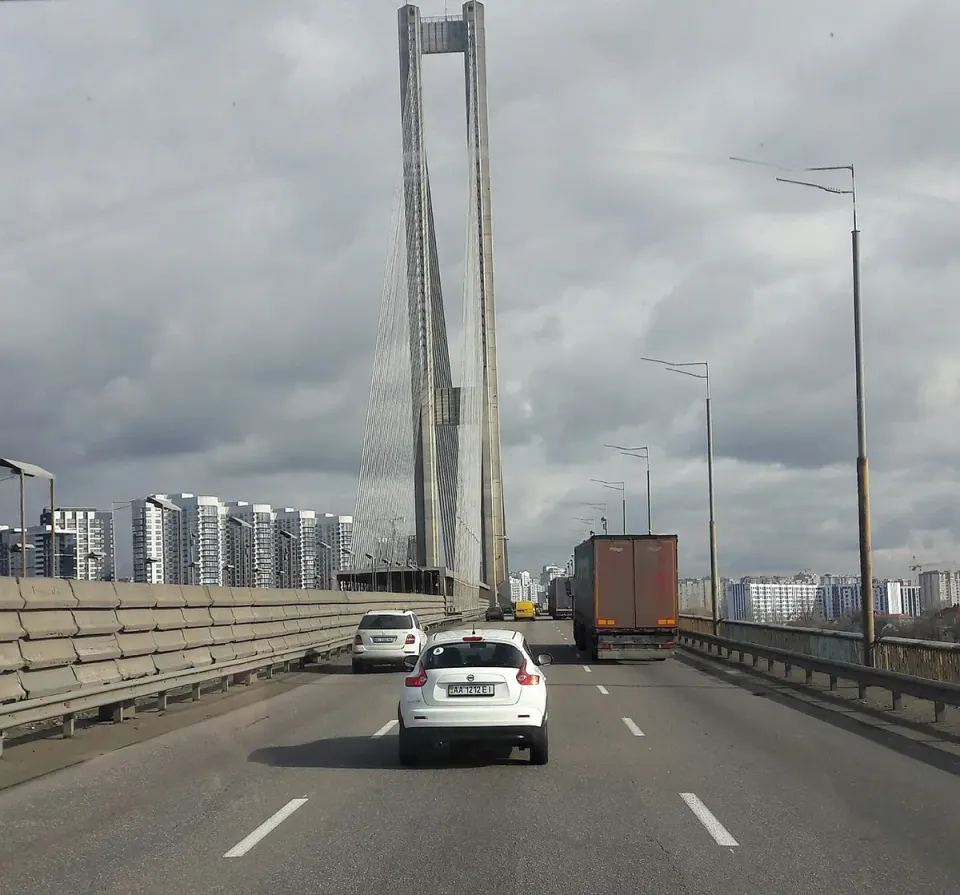
This escalation comes as Ukraine attempts to strike back, launching drone attacks on industrial facilities in the Russian city of Volgograd. For the global economy, this renewed 'pounding' of the capital suggests that any hopes for a de-escalation in the near term are premature. For Iranian observers, the continued intensity of this conflict keeps energy prices volatile and maintains the pressure on global supply chains, which indirectly influences the cost of imported goods and the general risk appetite in emerging markets.
Terror in the Skies: The FlyDubai Flight FZ 1073 Incident
One of the most harrowing stories overnight involved FlyDubai flight FZ 1073, bound for Tel Aviv. The aircraft reportedly plummeted 17,000 feet in under two minutes following a violent incident in the cockpit involving a stabbing and an attempted hijacking. Passengers described a scene of absolute chaos and terror before the crew and several courageous passengers managed to intervene, averting what could have been a catastrophic tragedy.
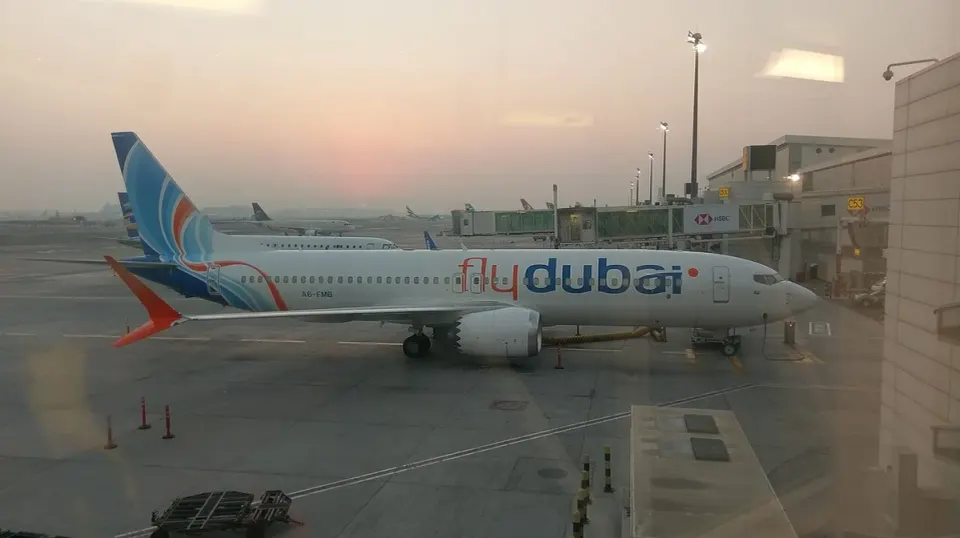
Investigators are currently working to establish a motive, with Israeli Prime Minister Benjamin Netanyahu suggesting the attacker had undergone 'Islamist radical indoctrination.' The UAE is leading the investigation, but the incident has already sent shockwaves through the aviation industry. This event is particularly significant for the region as it tests the security protocols of the Abraham Accords' aviation corridors and could lead to increased insurance premiums and stricter flight restrictions, potentially affecting air travel across the Middle East, including for those transiting through regional hubs.
The Strait of Hormuz and the Iraq Flight Deadlock
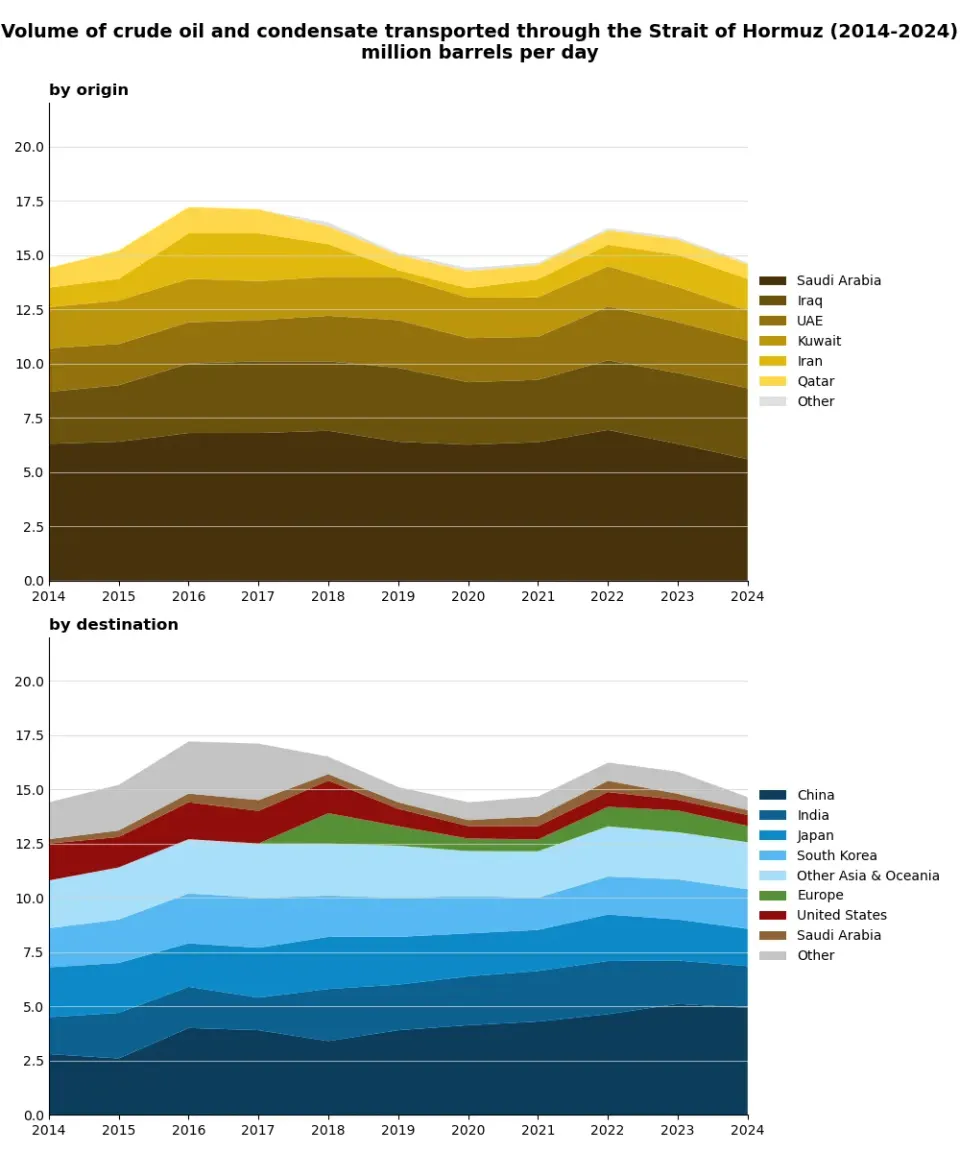
Closer to home, tensions in the Strait of Hormuz remain at a simmer. Western security officials report that while oil flows are technically up, Iran continues to 'menace' the waterway with weekly drone and missile launches targeting commercial vessels. Although many of these attempts fail to hit their targets, the persistent threat keeps the global oil market on edge, with Brent crude currently holding above $102 per barrel. This 'shadow war' at sea is a primary reason why global energy prices haven't fully retreated despite a rebound in Persian Gulf exports.
Simultaneously, Tehran is exerting diplomatic pressure on Baghdad. The Iranian Foreign Ministry has urged Iraq to take an 'appropriate decision' regarding US-imposed flight restrictions that are disrupting Iran's air transportation and trade. This move highlights the ongoing struggle between Tehran and Washington over regional influence. For the average Iranian, this means the 'sanction-busting' routes through neighboring countries are becoming more complicated, which could eventually manifest as higher prices for consumer goods or further delays in international logistics.
Frequently Asked Questions
چرا حمله به پل جنوبی کییف اهمیت زیادی دارد؟
حادثه فلایدبی چه تأثیری بر سفرهای هوایی منطقه دارد؟
علت ثبات قیمت دلار در بازار تهران علیرغم اخبار جنگ چیست؟
The Strategic Importance of the Strait of Hormuz
The Strait of Hormuz is a narrow waterway that connects the Persian Gulf with the open ocean, measuring roughly 21 nautical miles (39 km) at its narrowest point. Despite its modest size, it serves as the world’s most critical oil chokepoint: about a fifth of global petroleum liquids—roughly 20 million barrels per day—pass through the strait each day. This concentration means that any disruption—whether from geopolitical tension, piracy, or accidental blockage—can ripple through global energy markets, instantly affecting fuel prices, trade balances, and even monetary policy decisions in distant economies.
Historically, the strait has been a flashpoint for regional rivalries, especially between Iran and its Gulf neighbours. Iran’s strategic doctrine treats control of the waterway as a leverage tool; during the 1980‑1988 Iran‑Iraq War, Iranian forces mined the strait and targeted oil tankers to pressure the West. More recently, periodic Iranian threats to close the strait in response to sanctions have prompted naval escorts by the United States and allied navies, underscoring the delicate balance between freedom of navigation and regional security.
From an economic perspective, the strait’s importance is reflected in the concept of “transport cost elasticity.” Because a large share of oil is shipped via tanker rather than pipeline, a temporary closure can raise the cost of moving crude by hundreds of dollars per barrel, which then feeds through to gasoline prices at the pump. Analysts watch the strait closely; even a brief spike in tension can trigger speculative buying, causing Brent crude futures to surge, as seen in the October 2024 market recap.
The strategic vulnerability of the Strait of Hormuz also spurs diversification efforts. Countries like Saudi Arabia and the United Arab Emirates have invested heavily in pipeline projects (e.g., the East-West Pipeline) and in expanding refining capacity to reduce reliance on maritime routes. Meanwhile, global investors monitor the strait as a barometer for geopolitical risk, adjusting asset allocations in energy‑related equities, sovereign bonds, and even alternative assets like Bitcoin, which sometimes rallies on fears of fiat‑currency instability.
Understanding the Strait of Hormuz is essential for anyone following global markets, energy policy, or international security. Its role as a chokepoint illustrates how geography can amplify political leverage, turning a narrow stretch of water into a linchpin of the world economy.
Topics
Related Articles