Regional Escalation: Saudi Vows Retaliation After Airport Attacks as Oil Surges Above $100
تنش در خاورمیانه: وعده تلافی ریاض پس از حمله به فرودگاهها و جهش نفت به بالای ۱۰۰ دلار
A series of deadly drone and missile attacks on Saudi airports has triggered a massive regional escalation, sending Brent crude past $102. Meanwhile, Bitcoin has slipped below the $83,000 mark as global markets brace for a 'risk-off' Thursday.
At time of publishing
USD
265,900
Toman
Gold 18K
26.21M
Toman / gram
Bitcoin
$82,713
US Dollar
Tether
264,081
Toman
Market Open — Thursday, October 8, 2026
The Tehran market opens this morning with a sense of cautious stability in the currency sector, contrasting sharply with the volatility seen in global energy and commodity markets overnight. The US Dollar (USD) remains unchanged at 265,900 Toman, showing a 0.0% delta over the last 24 hours. This stagnation suggests that local traders are waiting for the full implications of the overnight regional escalations to settle before committing to new positions.
In the precious metals sector, we are seeing a slight downward correction. Gold 18k/gram is trading at 26,206,196 Toman, a decrease of 0.3% from yesterday's 26,286,993 Toman. Similarly, the Emami Coin has dipped by 0.2%, now priced at 268,000,000 Toman. While global gold prices remain historically high at $4,118.80 per ounce, the local slight dip reflects a minor cooling of the immediate panic buying seen earlier in the week, though the underlying geopolitical tension remains a potent catalyst for a potential reversal.
Saudi Arabia Vows Retaliation After Deadly Airport Strikes
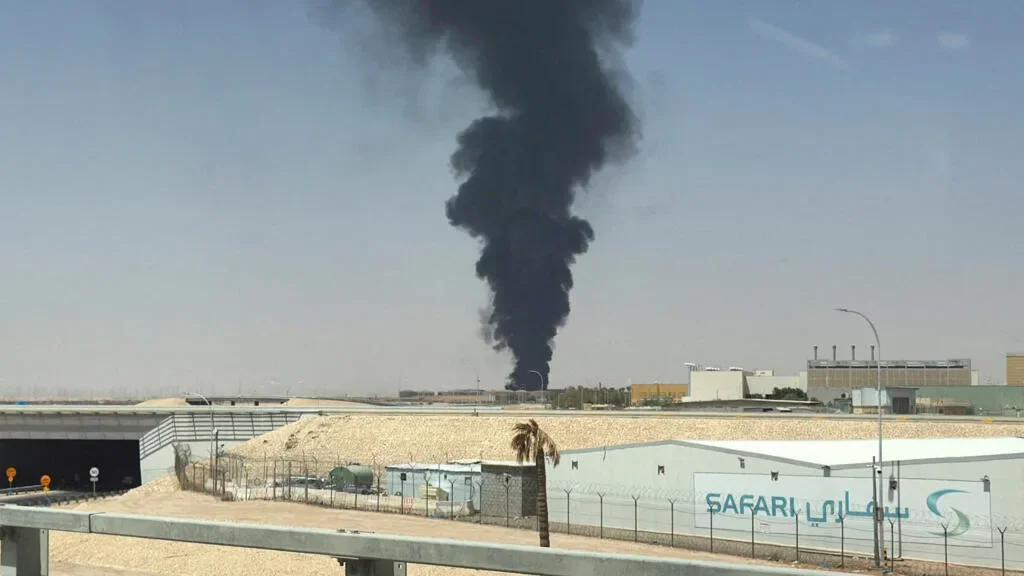
The most significant story overnight comes from the Arabian Peninsula, where Saudi authorities have confirmed deadly attacks on Abha and Riyadh’s King Khalid international airports. The strikes, claimed by Yemen’s Iran-backed Houthi rebels, resulted in three fatalities and 36 injuries. In response, the Saudi-led coalition announced it has already destroyed a ballistic missile launch platform used in the attack on Riyadh. This marks a sharp escalation in a conflict that many hoped was moving toward a long-term cooling phase, now replaced by the immediate threat of a wider regional conflagration.
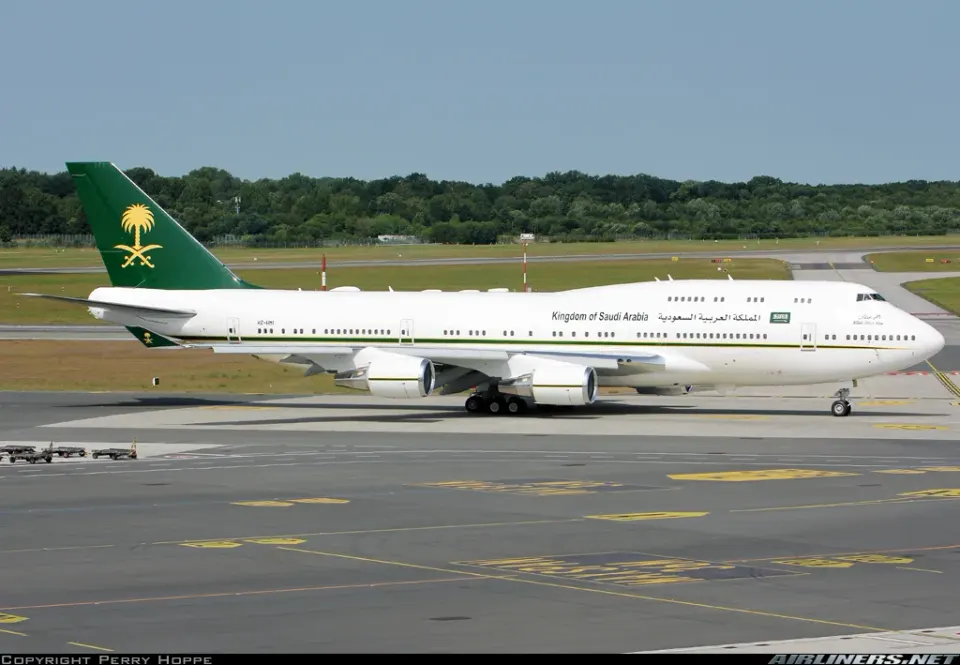
What makes this particularly concerning for global stability is the timing and the scale. Attacks on major civilian infrastructure like the King Khalid International Airport in Riyadh signal a shift in Houthi tactics toward high-profile targets that cannot be ignored by the international community. For Iranian readers, this escalation is critical as it often leads to renewed diplomatic pressure and potential sanctions talk, especially with US political figures like Donald Trump already using such events to fuel rhetoric about regional destruction. The immediate consequence is a heightened "war premium" being priced into every asset class in the Middle East.
Beyond the immediate military response, this event has shattered the relative calm in regional diplomacy. Saudi Arabia’s vow to retaliate "with an iron fist" suggests that the coming days could see a significant increase in sorties over Yemen and potentially more friction in the Persian Gulf. As the coalition ramps up its defensive and offensive posture, the risk of miscalculation grows, keeping the entire region on edge and ensuring that the "safe haven" status of the US dollar and gold remains unchallenged in the local Iranian market.
Oil Jumps 2% as Hormuz Tanker Attacks Intensify
Directly linked to the regional instability, Brent crude has swung back above the $100 per barrel mark, trading at $102.50 this morning—a jump of over 2%. This surge was triggered by reports of increasingly frequent attacks on tankers navigating the Strait of Hormuz. The energy market is reacting to the reality that the world’s most vital oil chokepoint is becoming a theater of active conflict once again. Furthermore, analysts from Kpler have raised eyebrows with suspicions that some Gulf producers might even be paying for "safe passage," a sign of how desperate the shipping situation has become.
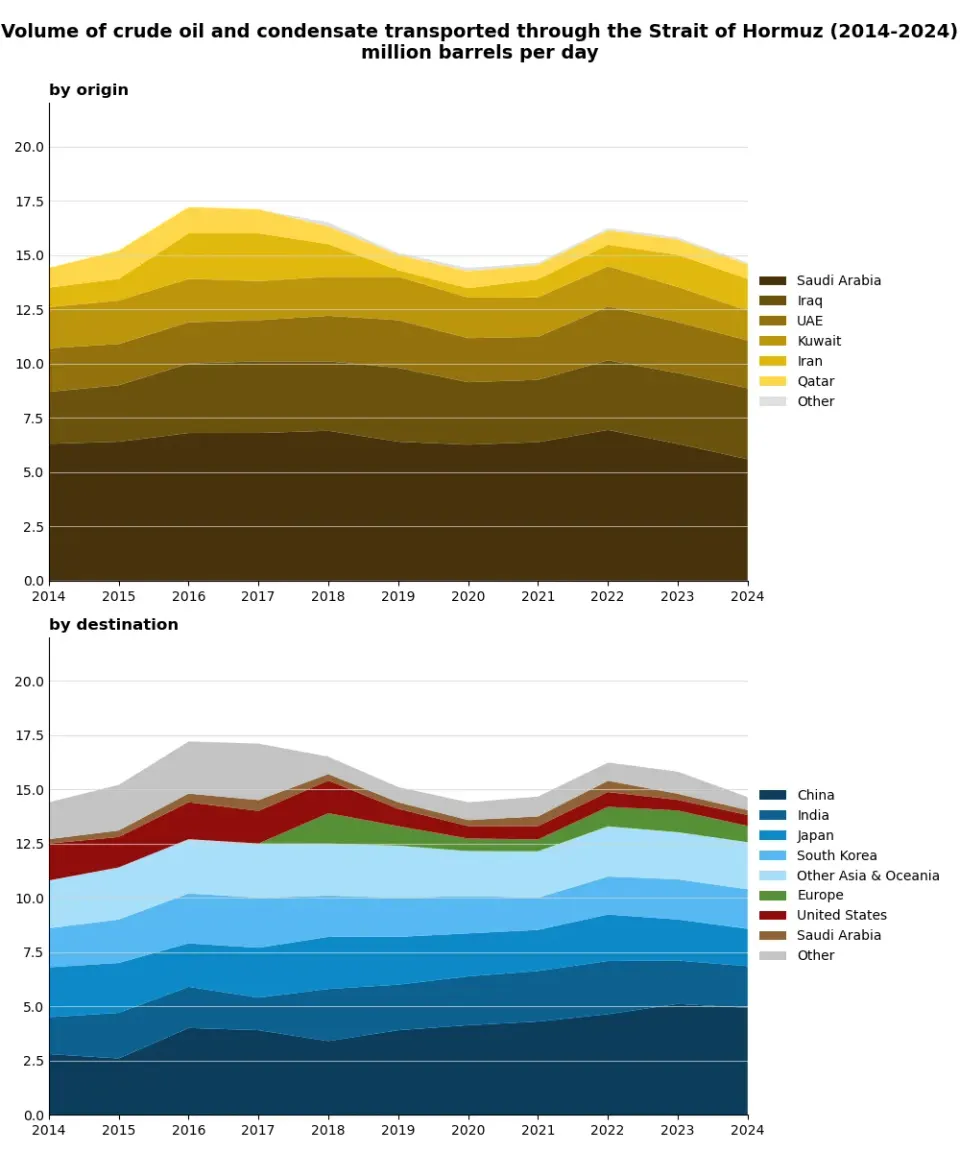
This isn't just about regional tension; it's about a fundamental lack of supply buffers. Global oil stocks have been severely depleted as the broader conflict enters its eighth month, leaving the market with no cushion to absorb supply shocks. When stocks are low, even the rumor of a strike plan or a minor skirmish near a tanker can send prices spiraling. For the Iranian economy, while higher oil prices theoretically mean more revenue, the reality of sanctions and the increased cost of shipping and insurance often offset these gains, while the inflationary pressure on global goods eventually trickles down to the local consumer.
What it means for the coming weeks is a "higher floor" for oil prices. Industry executives warn that as long as the threat to Middle Eastern supply remains, oil is unlikely to return to pre-war levels. This sustained high energy price environment acts as a massive tax on global economic growth, complicating the efforts of central banks to tame inflation. For the average reader, this translates to a world where transport costs remain high and the global appetite for risk remains low, favoring hard assets over speculative investments.
Bitcoin Slips Below $83,000 as Yields and Risk Collide
In the digital asset space, Bitcoin (BTC) has felt the weight of the geopolitical storm, breaking below the $83,000 level to trade around $82,713. The drop is a classic "risk-off" move; as oil prices spike and Treasury yields push toward their highest levels since 2002, investors are pulling back from volatile assets. Analysts at FxPro have warned that this breach opens a "quick path to $80,000" if the current sentiment persists. The correlation between rising energy costs and falling crypto prices is becoming clearer as high oil prices fuel inflation fears, which in turn keeps interest rates high—the natural enemy of Bitcoin’s growth.
For the Iranian crypto community, this dip is a double-edged sword. While the lower price offers a potential entry point, the local price of USDT remains tied to the 264,081 Toman mark, meaning the "real" cost of entering the market hasn't dropped as much as the headline BTC/USD price might suggest. The broader crypto market is also watching the US political landscape, where figures like Andrew Cuomo are warning that the industry's heavy backing of one political party is alienating the other, potentially stalling much-needed federal legislation. This political uncertainty, combined with regional war drums, creates a high-volatility environment where only the most disciplined traders will thrive.
Frequently Asked Questions
چرا حمله به فرودگاههای عربستان بر قیمت بیتکوین تأثیر گذاشت؟
آیا قیمت نفت به روند صعودی خود ادامه خواهد داد؟
وضعیت دلار در بازار تهران با وجود این تنشها چگونه است؟
The Strategic Chokepoint: Why the Strait of Hormuz Matters to Global Energy Markets
The Strait of Hormuz, a narrow waterway between Oman and Iran, is one of the world’s most critical maritime chokepoints. Although it is only about 21 nautical miles wide at its narrowest point, roughly 20% of the world’s petroleum—about 21 million barrels per day—passes through it. This concentration means that any disruption, whether from geopolitical tension, piracy, or military skirmishes, can instantly reverberate through global oil markets, pushing prices upward as traders price in the risk of supply shortages.
Historically, the strait has been a flashpoint for regional conflicts. During the Iran‑Iraq War in the 1980s, both sides launched attacks on oil tankers, prompting the United Nations to launch the “Tanker War” and leading to the deployment of U.S. naval forces to protect shipping. More recently, Houthi missile strikes on vessels transiting the strait have reignited fears of a repeat scenario, directly linking local hostilities to spikes in Brent and WTI crude prices—exactly what analysts observed when oil breached the $100 per barrel mark in October 2026.
The economic ripple effects extend beyond crude. Higher oil prices increase transportation costs, raise inflationary pressures, and can depress consumer confidence worldwide. For oil‑importing economies like Saudi Arabia’s rivals, a surge in prices can improve trade balances, while oil‑exporting nations benefit from windfall revenues. Conversely, countries heavily reliant on imports, such as many in Europe and Asia, may experience balance‑of‑payments strains and accelerated shifts toward alternative energy sources.
Understanding the strategic importance of the Strait of Hormuz also clarifies why nations invest heavily in naval capabilities and diplomatic initiatives to keep the waterway open. International conventions, such as the United Nations Convention on the Law of the Sea (UNCLOS), guarantee the right of innocent passage, but enforcement relies on a delicate balance of power. As long as the strait remains a bottleneck for global energy, any flare‑up—whether an airport attack in Saudi Arabia or a tanker strike—will continue to shape oil prices, financial markets, and even the price of unrelated assets like Bitcoin, which often reacts to macro‑risk sentiment.
In short, the Strait of Hormuz is not just a geographic narrowness; it is a linchpin of the global energy system. Its stability—or lack thereof—directly influences oil price dynamics, regional security calculations, and broader economic trends. Monitoring developments there provides a real‑time barometer for the health of the world’s energy markets.
Topics
Related Articles