Hurricane Isaias Threatens US Energy Hub as Rubio Warns Europe of 'Civilizational Slumber'
طوفان ایسایاس در کمین قطب انرژی آمریکا؛ هشدار تند روبیو به اروپا درباره «خواب تمدنی»
Tropical Storm Isaias is rapidly intensifying in the Gulf of Mexico, forcing evacuations at major oil rigs, while US Secretary of State Marco Rubio delivers a stinging critique of European 'slumber' from Athens. Meanwhile, Google secures a massive nuclear power deal to fuel its AI ambitions as Tehran's currency markets see a slight cooling.
At time of publishing
USD
265,900
Toman
Gold 18K
26.29M
Toman / gram
Bitcoin
$83,392
US Dollar
Tether
265,600
Toman
Gulf Energy Hub Braces for Hurricane Impact
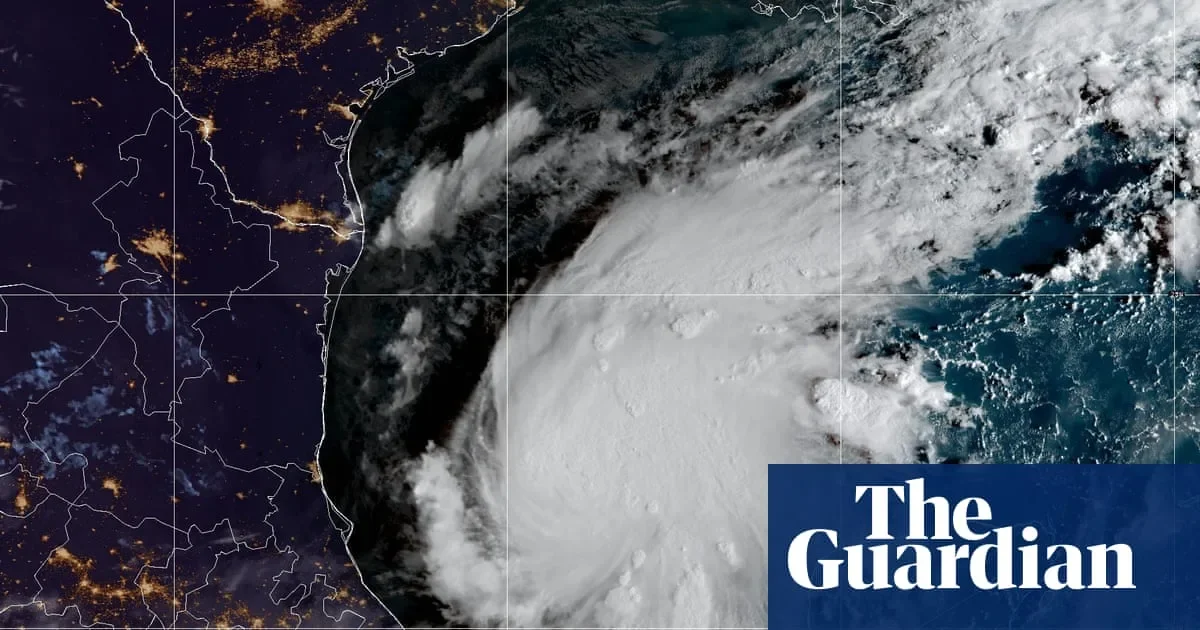
Tropical Storm Isaias has formed in the warm waters off eastern Mexico and is rapidly gaining strength, with forecasters at the National Hurricane Center (NHC) predicting it will become the first hurricane of a belated Atlantic season by Thursday. Currently located approximately 285 miles west of Progreso, Mexico, the storm is carrying sustained winds of 40 mph and moving northeast toward the US Gulf Coast. This trajectory puts critical energy infrastructure directly in the line of fire, including dozens of offshore oil and gas rigs and major refineries in Louisiana and Mississippi.
The threat has already triggered preventative measures across the energy sector. Chevron has begun evacuating non-essential personnel from its offshore platforms, a move that often signals a temporary tightening of supply in the global oil markets. For global observers, the timing is particularly sensitive; any disruption to the Gulf’s refining capacity could lead to a spike in gasoline prices and broader inflationary pressure, just as central banks are attempting to navigate a delicate economic cooling phase. If Isaias reaches Category 2 status as some models suggest, the economic fallout could extend far beyond the immediate coastal damage.
Rubio’s 'Civilizational' Warning to Europe
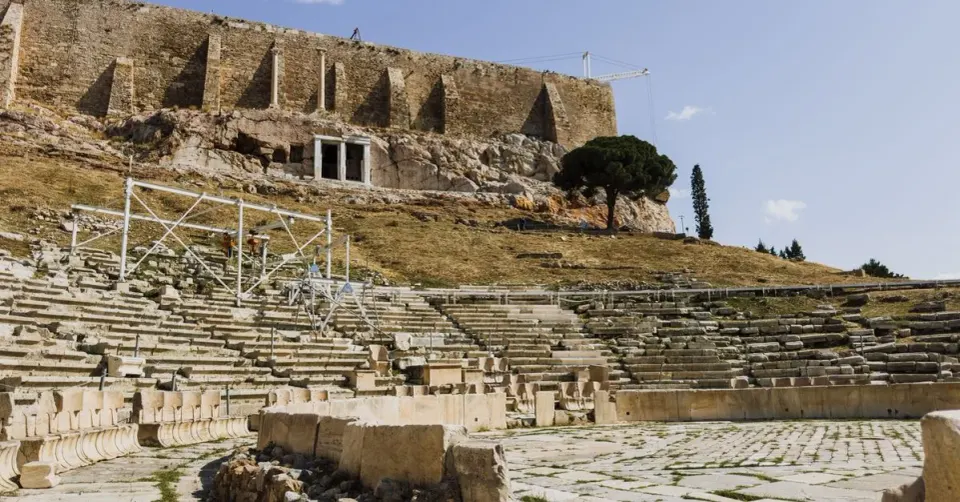
In a high-stakes diplomatic visit to Greece, US Secretary of State Marco Rubio delivered a provocative speech overlooking the Acropolis, warning that Western civilization faces a risk of "atrophy, servitude, and decline." Rubio’s rhetoric was unusually blunt, urging European nations to "awaken from their long slumber" and re-embrace an ethos of exploration and dominance to remain at the head of the world order. He argued that the current geopolitical climate requires a more muscular Western alliance, one that is not afraid to assert its values against rising eastern powers.
This speech signals a potential shift in US-European relations, emphasizing a demand for greater military and economic self-sufficiency from EU partners. Rubio’s comments about "Western dominance" suggest that the US is seeking to consolidate its ideological bloc as global tensions rise. For markets, this rhetoric often translates into increased defense spending and potential trade friction, as the US pushes for a more unified front against shared rivals. The choice of Athens as a backdrop was intentionally symbolic, invoking the roots of Western democracy to justify a more aggressive modern geopolitical posture.
Google’s Nuclear Bet on the AI Future
As the race for artificial intelligence supremacy accelerates, the demand for reliable, carbon-free energy is hitting unprecedented levels. Google (Alphabet) has announced a massive deal to secure 3,590 megawatts of power from Constellation Energy, with 890 megawatts specifically coming from new nuclear power sources. This energy will feed the PJM Interconnection, a grid serving 67 million people across 13 states. The move highlights a growing trend where Big Tech companies are effectively becoming major players in the energy sector to ensure their data centers—the brains of the AI revolution—never go dark.
This shift toward nuclear energy is a direct response to the massive electricity consumption of advanced AI models. While tech companies have long touted their green credentials, the sheer scale of the power needed for the next generation of LLMs has forced a return to nuclear as a stable baseline. This deal not only secures Google’s operational future but also sets a precedent for how the tech industry might revitalize the nuclear sector. For investors, it underscores that the "AI trade" is no longer just about chips and software; it is increasingly a play on energy infrastructure and grid stability.
Tehran Market Cooling and Tech Safety
In the domestic Iranian market, the volatility of the past week has seen a notable retracement during the Wednesday session on October 7, 2026 (15 Mehr 1405). The US Dollar in Tehran’s open market dropped from 269,100 to 265,900 Toman, marking a 1.2% decline. Gold and coins followed suit, with 18k gold falling 1.6% to 26,286,993 Toman per gram, and the Emami coin dropping 1.8% to 268,500,000 Toman. This cooling of prices suggests a temporary exhaustion of the recent bullish trend, though the underlying geopolitical risks remain a primary driver for future movements.
On the technology front, the limits of AI were highlighted by a dramatic rescue in British Columbia. A 16-year-old hiker, Bryce Vincent Gowryluk, had to be airlifted from a dangerous ledge after using Anthropic’s Claude chatbot to plan a route up Crown Mountain. The incident serves as a stark reminder of the "hallucination" risks inherent in current AI models when used for high-stakes physical navigation. Simultaneously, Meta has rolled out new AI tools designed to detect hidden advertisements for harmful content, showing that while AI can lead users astray, it is also being deployed as a critical shield in digital safety. For the average user, these stories emphasize the dual nature of current tech: a powerful tool that still requires significant human oversight.
Frequently Asked Questions
چرا طوفان ایسایاس برای بازارهای جهانی اهمیت دارد؟
علت کاهش قیمت دلار در بازار تهران در تاریخ ۱۵ مهر چه بود؟
چرا گوگل به سراغ خرید انرژی هستهای رفته است؟
Energy Hub Resilience: How Hurricanes Threaten U.S. Oil and Gas Infrastructure
The U.S. Gulf Coast is often called the nation’s energy hub because it concentrates a large share of the country’s oil refineries, petrochemical plants, and offshore drilling platforms in a relatively compact geographic area. This concentration brings efficiency—crude can be moved short distances to refineries, and pipelines can feed multiple markets—but it also creates a single point of failure when extreme weather strikes.
When a hurricane like Isaias makes landfall, its powerful winds, storm surge, and heavy rain can damage offshore oil rigs, shut down pipelines, and force refineries to idle. Even a brief shutdown can ripple through global oil markets because the Gulf supplies roughly 30% of U.S. gasoline and 40% of diesel production. The loss of just a few rigs can reduce daily output by tens of thousands of barrels, tightening supply and pushing prices higher.
To mitigate these risks, operators employ a mix of engineering and operational strategies. Offshore platforms are built to withstand Category 3‑5 conditions, with reinforced jackets, hurricane‑rated blowout preventers, and the ability to disconnect and move floating units to safer waters. On‑shore facilities use flood‑walls, elevated control rooms, and pre‑emptive shutdown procedures that allow crews to secure equipment before the storm arrives.
However, resilience is not just about hardening assets; it also involves supply‑chain flexibility. Companies maintain strategic inventories of critical parts, and the U.S. Strategic Petroleum Reserve can be tapped to smooth short‑term disruptions. Policymakers are increasingly discussing diversification of the energy mix—adding more renewable generation and decentralizing production—to reduce the systemic impact of any single weather event.
Understanding the interplay between hurricanes and the Gulf’s energy hub helps investors, policymakers, and the public gauge how climate‑driven extremes could reshape energy security and price volatility in the years ahead.