Brent Crude Hits $114 Amid Houthi Strikes; Ethereum Delays Upgrade; Met Police Trust Crisis
نفت ۱۱۴ دلاری در پی حملات پهپادی به آرامکو؛ تعویق آپدیت اتریوم و بحران اعتماد در پلیس لندن
Global energy markets are in shock as Brent crude surges to $114 following Houthi attacks on Saudi infrastructure. Meanwhile, a crisis of confidence hits the UK's Met Police, and Ethereum developers halt a major testnet launch due to critical security risks.
At time of publishing
USD
272,300
Toman
Gold 18K
26.96M
Toman / gram
Bitcoin
$81,762
US Dollar
Tether
271,622
Toman
Market Open — Friday, October 23, 2026
The Iranian market opens this morning, جمعه ۱ آبان ۱۴۰۵, with a notable sense of caution. The US Dollar (USD/IRR) remains stagnant at 272,300 Toman, showing a 0.0% change over the last 24 hours. This stability in the currency market comes despite significant turbulence in global energy and commodity sectors. While the Rial holds its ground, the local gold market has seen a slight cooling effect; 18k gold is trading at 26,958,770 Toman per gram, a decrease of 0.4% from yesterday’s 27,071,886 Toman.
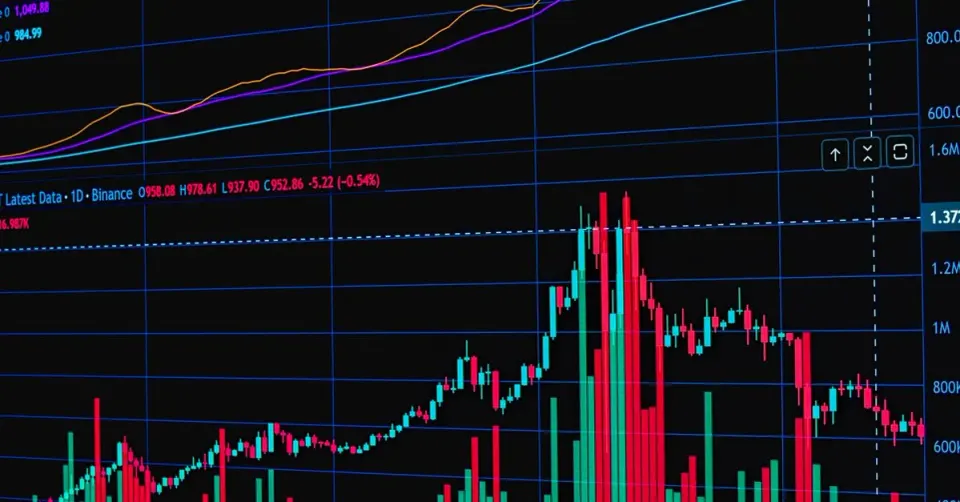
In the global arena, the contrast is stark. Gold has reached a staggering $4,020.50 per ounce, yet local demand hasn't fully mirrored this historic peak, likely due to high domestic inventory and a cautious consumer base. Bitcoin (BTC) continues its strong performance, trading at $81,762, as investors look for hedges against regional instability. The market is currently pricing in a high-risk environment, balancing local currency stability against a world that feels increasingly volatile.
Brent Hits $114 as Houthi Attacks Threaten Global Supply
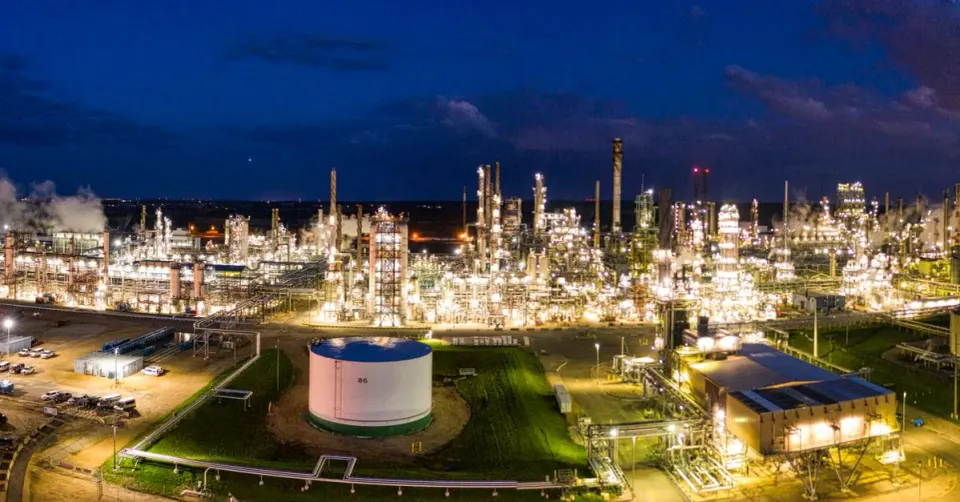
Energy markets have been set ablaze overnight as Brent crude oil prices spiked to $114 per barrel. This sharp escalation follows reported Houthi attacks on Saudi Arabia’s Aramco infrastructure, a move that has immediately tightened the global supply outlook. WTI crude has also climbed above the $100 mark, settling around $100.40. For oil traders, the focus is no longer on demand forecasts but on the physical security of the world’s most critical energy lanes. The attacks represent a significant setback for regional stability, pushing energy prices to levels that threaten to reignite global inflation concerns.
In Tehran, Foreign Ministry spokesperson Esmail Baqaei has criticized the international community's use of the term “Iran conflict” to describe the ongoing regional tensions. Baqaei argued that such terminology obscures the responsibility of the US and Israel in initiating hostilities. As the narrative around the conflict shifts, the economic reality for Iran remains complex; while higher oil prices generally boost revenue, the threat of expanded sanctions and direct military involvement keeps the Rial under immense psychological pressure. The market is now watching for a potential Saudi response, which could either stabilize prices or send them toward the $120 mark.
Institutional Rot: Met Police Chief Under Fire
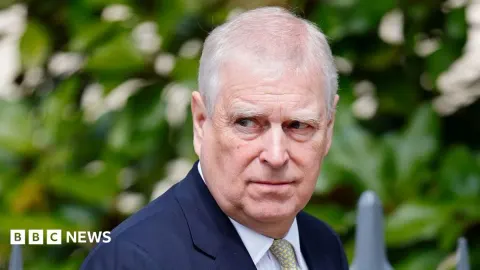
A domestic crisis in the United Kingdom is capturing global headlines as London’s Metropolitan Police faces a devastating blow to its credibility. Detective Constable Linda Williams, a victim of serial rapist and former colleague David Carrick, has publicly stated she has "no faith" in the system or its leadership under Commissioner Mark Rowley. Carrick was jailed in 2023 for offenses against 12 women, but the fallout continues to expose systemic failures in how the force vets its officers and handles internal abuse.
This story is more than a local scandal; it represents a growing global trend of institutional decay. For Iranian observers, who often view Western institutions as benchmarks of stability, this crisis serves as a reminder that transparency and accountability are ongoing battles everywhere. The failure of the Met to protect its own officers from within suggests a deep-seated culture of silence that Rowley has struggled to dismantle. As calls for his resignation grow, the story highlights the fragility of public trust in the very organizations designed to uphold the law.
Ethereum Delays 'Glamsterdam' Upgrade Due to Security Risks
In the world of decentralized finance, Ethereum developers have made the difficult decision to delay the launch of the Glamsterdam Hoodi testnet. The move came after ChainSecurity identified 13 real-world examples of smart contracts that could be compromised by the proposed gas rule changes. Specifically, the researchers demonstrated how new rules could allow failed operations to be permanently recorded on the blockchain, creating a security loophole that malicious actors could exploit. This delay, while frustrating for those awaiting the upgrade, underscores the "security-first" approach that has kept Ethereum at the top of the smart contract ecosystem.
For the Iranian crypto community, which relies heavily on Ethereum-based stablecoins and DeFi protocols to bypass traditional banking hurdles, this delay is a double-edged sword. On one hand, it prevents potential losses from buggy code; on the other, it slows down the network's path toward lower transaction fees. With Bitcoin holding steady above $81,000, the broader crypto market remains resilient, but the Ethereum delay serves as a sobering reminder that technical perfection in blockchain is a slow and arduous process. Traders are advised to monitor the new activation dates closely, as any further delays could see capital rotate into competing Layer-1 networks.
Frequently Asked Questions
چرا با وجود انس ۴۰۰۰ دلاری، قیمت طلا در ایران کاهش یافت؟
آیا نفت ۱۱۴ دلاری باعث افزایش قیمت دلار در ایران میشود؟
دلیل اصلی تعویق آپدیت اتریوم چه بود؟
Geopolitical Supply Shocks and Their Impact on Oil Prices
When a major oil‑producing region is hit by conflict, sabotage, or diplomatic tension, the world’s oil market can experience a supply shock – a sudden, unexpected reduction in the amount of oil available for sale. Unlike a demand‑side shock, which stems from changes in consumer behavior, a supply shock directly squeezes the physical flow of crude, forcing traders to bid up prices to secure the limited barrels that remain. The classic textbook example is the 1973 Arab oil embargo, but modern supply shocks often involve more localized events such as missile attacks on pipelines, naval blockades, or drone strikes on offshore facilities.
In the case of the recent Houthi attacks on Saudi Aramco’s facilities, the threat of damage to the kingdom’s export terminals and the Strait of Hormuz – a chokepoint through which roughly a third of global oil passes – sparked a rapid rally in Brent crude, pushing the benchmark above $114 a barrel. Even the possibility of a sustained disruption can cause market participants to reprice risk, leading to higher futures prices and tighter spot markets. Traders also factor in risk premiums, which are added to the price to compensate for the uncertainty surrounding the supply chain.
Supply shocks have a cascade of economic effects. Higher oil prices raise transportation and production costs, which feed through to consumer goods, inflating overall price levels (a phenomenon known as cost‑push inflation). Countries that are net importers of oil experience a deterioration in their trade balances, while oil‑rich exporters may see a temporary boost in revenues that can fuel fiscal spending or strengthen their currencies. However, the benefits for exporters are often short‑lived if the shock prompts a coordinated response, such as the release of strategic petroleum reserves or diplomatic negotiations that restore flow.
Policymakers monitor supply‑shock indicators closely because they can signal the need for macro‑economic adjustments. Central banks may tighten monetary policy to combat inflationary pressures, while governments might accelerate energy diversification strategies, investing in renewables or strategic stockpiles to reduce future vulnerability. Understanding the mechanics of geopolitical supply shocks helps investors, analysts, and citizens anticipate how a single regional event can ripple through the global economy.
In short, a geopolitical supply shock is a powerful driver of oil price volatility. It illustrates how intertwined political stability, physical infrastructure, and market psychology are in shaping the price tag we see at the pump each day.