Binance’s $6B Security Breach & The US Legal Battle Shaking Global Risk Markets
سرقت ۶ میلیارد دلاری از بایننس و معمای حقوقی در آمریکا؛ شوک صبحگاهی به بازارهای جهانی
A massive $6 billion heist targeting Binance has sent shockwaves through the crypto world, while a high-profile US legal battle over 'double jeopardy' sets a precedent for justice. Meanwhile, gold prices in Tehran see a 1.3% dip as the market recalibrates.
At time of publishing
USD
274,100
Toman
Gold 18K
25.42M
Toman / gram
Bitcoin
$77,174
US Dollar
Tether
273,517
Toman
Market Open — Saturday, October 31, 2026
Good morning. It’s Saturday, October 31, 2026 (۹ آبان ۱۴۰۵). The Tehran market opens today with a bifurcated mood: while the currency remains remarkably flat, precious metals are feeling the weight of a global correction. The US Dollar is holding steady at 274,100 Toman, showing a 0.0% change over the last 24 hours. This stagnation suggests a temporary equilibrium in the local market, even as external geopolitical pressures remain high.
Gold, however, is the primary mover this morning. 18-karat gold has dropped by 1.3%, falling to 25,416,685 Toman per gram. This decline is reflected in the Emami coin, which slipped 0.2% to 266,000,000 Toman. For Iranian investors, this dip represents a cooling off from recent highs, likely driven by international traders locking in profits ahead of the upcoming US midterm results. Despite this, Bitcoin remains a powerhouse of resilience, trading at $77,174 despite a chaotic night for the broader crypto infrastructure.
The Mangione Legal Gambit: A Test of Double Jeopardy
In a story that has gripped the American legal system and global observers, lawyers for Luigi Mangione have filed to dismiss state-level charges in the killing of UnitedHealthcare executive Brian Thompson. The core of their argument rests on the principle of 'double jeopardy'—the constitutional protection that prevents a person from being tried twice for the same crime. Mangione already pleaded guilty to federal charges in August, and his defense team argues that the state’s pursuit of a murder trial is a redundant and unlawful overreach.

This case is more than just a criminal trial; it is a high-stakes test of how the US federal and state judicial systems interact. If the court agrees with the double jeopardy defense, it could set a massive precedent for how complex, multi-jurisdictional crimes are prosecuted in the future. For global markets, such legal shifts are closely watched as indicators of institutional stability and the rule of law in the world's largest economy. The outcome could influence investor sentiment regarding the predictability of the US legal environment during a period of intense political polarization.
The $6 Billion Binance Heist: North Korea’s Shadow
The cryptocurrency world woke up to a nightmare as reports emerged of a staggering $6 billion theft from Binance, the world’s largest exchange. Investigative reports suggest that elite North Korean hackers are the prime suspects in what is being called the largest digital heist in history. This breach has reignited the 'War on Wind Farms' and other critical infrastructure debates, as the sheer scale of the stolen funds suggests a state-sponsored effort to bypass international sanctions and fund clandestine operations.
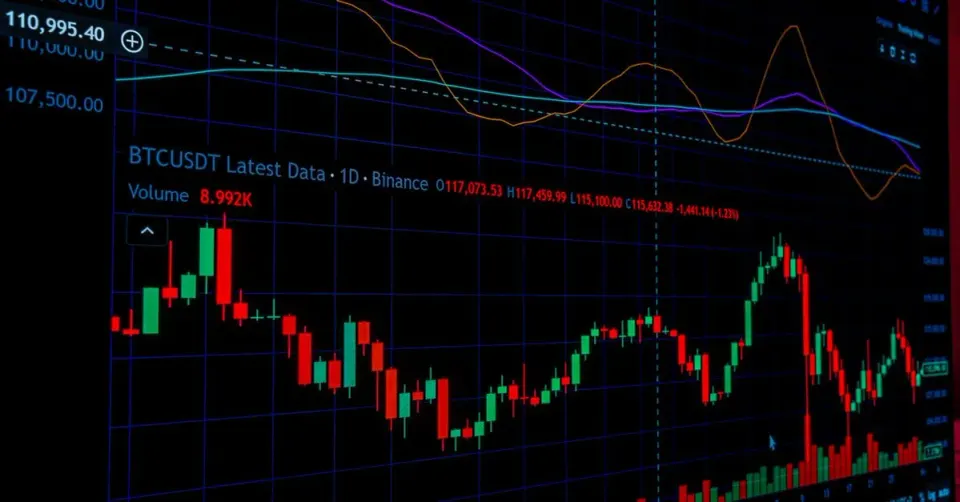
What this means for the average investor is a renewed focus on 'cold storage' and the risks of centralized exchanges. While Bitcoin’s price has remained surprisingly stable near $77,000, the psychological blow to the industry is significant. If a giant like Binance can be drained of billions, the perceived safety of digital assets is once again under fire. Regulators are expected to use this event as a catalyst for much harsher oversight, which could lead to a temporary liquidity squeeze in the crypto markets as exchanges tighten their security protocols.
Regional Tensions and the Human Toll in Lebanon
Geopolitical risk remains the underlying current for all Iranian market movements. New data from Lebanon’s Health Ministry indicates that the death toll from ongoing Israeli military actions has climbed to 8,956 since October 2023. This grim milestone underscores the sustained nature of the conflict, which continues to prevent any significant 'de-risking' in the Middle East. For the Iranian economy, this persistent instability ensures that the demand for hard currency and gold as a hedge remains fundamentally strong, even on days when prices see a technical dip.

As the conflict enters a new phase of attrition, the economic consequences are spreading. Beyond the human tragedy, the disruption of regional trade routes and the constant threat of escalation keep the Iranian Toman under structural pressure. While the USD/IRR pair was flat today, the underlying sentiment is one of 'wait and see.' Analysts suggest that any further escalation could quickly reverse the current dip in gold prices, as investors traditionally flee back to the safety of the yellow metal when regional headlines turn more aggressive.
Frequently Asked Questions
چرا قیمت طلا در تهران با وجود تنشهای منطقه کاهش یافته است؟
آیا داراییهای کاربران در صرافی بایننس پس از هک ۶ میلیارد دلاری امن است؟
قانون «مجازات مضاعف» در پرونده مانجیونه به چه معناست؟
State‑Sponsored Cybercrime and the Crypto Market: How North Korean Hackers Target Exchanges
The rapid growth of cryptocurrencies has attracted not only retail investors but also the attention of nation‑state actors seeking to fund illicit activities. North Korea’s cyber‑army, most famously the Lazarus Group, has become a leading example of state‑sponsored hacking aimed at digital assets. By exploiting vulnerabilities in exchanges, wallets, and DeFi platforms, these groups can siphon millions of dollars in crypto, which can then be laundered through mixers or converted into fiat currency to bypass international sanctions.
The mechanics of a typical crypto‑exchange breach involve a blend of social engineering, credential stuffing, and software exploits. Attackers often gain access to privileged accounts, manipulate withdrawal limits, or inject malicious code into the exchange’s API. Once inside, they can move funds to “cold” wallets that are offline and harder to trace. The Binance $6 billion breach, while still under investigation, illustrates how even the world’s largest platforms can be vulnerable when internal controls are insufficient or when attackers leverage zero‑day vulnerabilities.
Beyond the immediate financial loss, these hacks ripple through global risk markets. A sudden large‑scale outflow of crypto can depress prices, increase volatility, and trigger margin calls across leveraged positions. Moreover, the legal fallout—such as the U.S. Department of Justice’s pursuit of North Korean hackers—highlights the intersection of cyber‑security, international law, and financial regulation. Prosecutors often invoke statutes like the Computer Fraud and Abuse Act, while the principle of double jeopardy ensures that defendants cannot be tried twice for the same conduct, adding a layer of procedural complexity to cross‑border cases.
For investors and policymakers, understanding the threat landscape is crucial. Robust security measures—multi‑factor authentication, cold‑storage of the majority of assets, regular penetration testing, and real‑time transaction monitoring—are essential defenses. At the same time, international cooperation to track illicit crypto flows, freeze assets, and impose sanctions on facilitating entities is becoming a cornerstone of the global response to state‑sponsored cybercrime.
In summary, the convergence of sophisticated hacking techniques, the anonymity of blockchain, and the geopolitical motives of regimes like North Korea creates a potent risk vector for the crypto ecosystem. Recognizing how these attacks operate and their broader economic implications can help market participants better assess and mitigate exposure.
Topics
Related Articles