Sanctions Shake Israeli Public Opinion as Tankers Burn in the Strait of Hormuz
لرزه تحریمها بر بدنه سیاست اسرائیل و زبانه کشیدن شعلهها در تنگه هرمز
A shift in Israeli public opinion suggests international sanctions are finally hitting home, while new reports of tanker explosions in the Strait of Hormuz add fresh volatility to global energy markets.
At time of publishing
USD
271,800
Toman
Gold 18K
25.82M
Toman / gram
Bitcoin
$78,311
US Dollar
Tether
271,995
Toman
Market Open — Monday, November 2, 2026
Good morning from the Arzbin newsroom. The Tehran market opened this Monday, November 2, 2026, with a noticeable lean toward safe-haven assets. While the US Dollar remained remarkably stable at 271,800 Toman, showing 0.0% change over the last 24 hours, the gold sector is where the action is. Gold 18k rose to 25,820,675 Toman (+0.4%), and the Emami coin surged by 1.5%, now priced at 265,000,000 Toman. This divergence suggests that while currency supply might be meeting demand, internal inflationary fears or regional geopolitical jitters are driving investors toward bullion.
In the digital space, Bitcoin is holding firm at $78,311, though the atmosphere is cautious. Despite the high price, we saw massive outflows of $643 million from US spot ETFs on Friday, largely triggered by security concerns following a record hack at Binance. For the Iranian trader, the message is clear: the domestic market is pricing in risk through gold even as the Rial holds its ground for the moment.
The Sanction Effect: Israeli Public Questions Settlement Policy
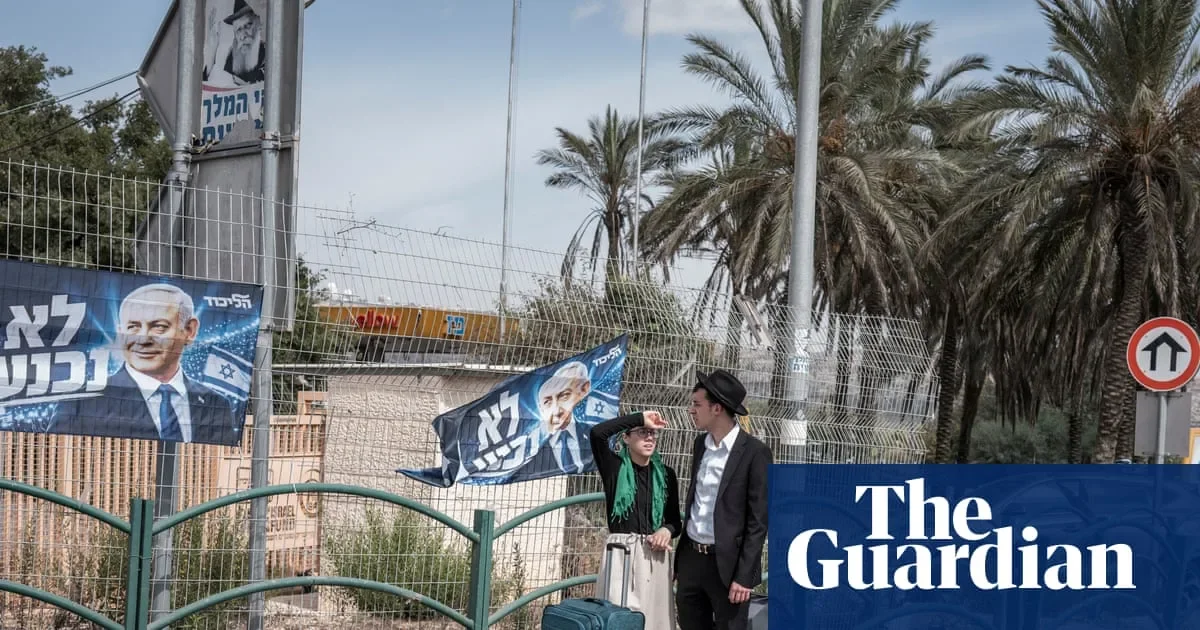
A significant shift is occurring within Israeli domestic politics, driven not by diplomacy, but by the cold reality of economic isolation. A new poll indicates that a majority of Israelis now believe the government’s settlement policy must change specifically to avoid further international sanctions. This follows the UK government’s decisive move to ban trade with illegal settlements—a policy spearheaded by Foreign Secretary Ed Miliband that many initially feared would bolster Benjamin Netanyahu’s hardline stance. Instead, it seems to have triggered a survival instinct among the Israeli electorate.
What makes this development critical is the timing. As the "Change" bloc, led by figures like Yousef Jabareen, gains momentum in the Knesset, the economic cost of the current administration's policies is becoming a primary campaign issue. For months, the narrative was that external pressure only unified the Israeli right; however, this data suggests that when sanctions move from symbolic gestures to concrete trade bans, the political cost becomes too high for the average citizen to ignore. This could lead to a strategic pivot in the region if a new coalition manages to oust the current leadership.
For global markets, this shift represents a potential de-escalation pathway. If the Israeli public forces a moderation of settlement expansion to protect their access to European and British markets, the long-term regional risk premium might finally begin to deflate. However, in the short term, Netanyahu’s government may react to this domestic pressure with even more aggressive rhetoric to consolidate its remaining base, keeping volatility high.
Explosions in Hormuz: Tankers Hit Mines in 'Unauthorized' Routes
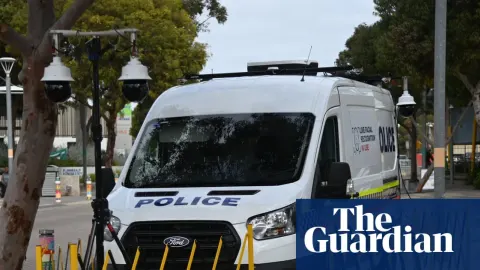
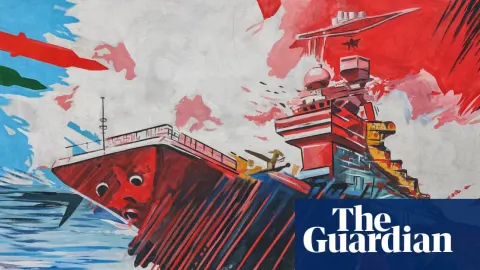
Tensions in the world’s most vital energy chokepoint have spiked overnight. The IRGC Navy reported that two oil tankers caught fire after hitting mines while allegedly attempting to navigate through an "unauthorized route" in the Strait of Hormuz. While details remain sparse and come primarily from Iranian state media, the incident has immediately put global shipping insurance markets on high alert. The claim that these vessels were using unauthorized lanes suggests a tightening of control over the waterway by Iranian maritime forces.
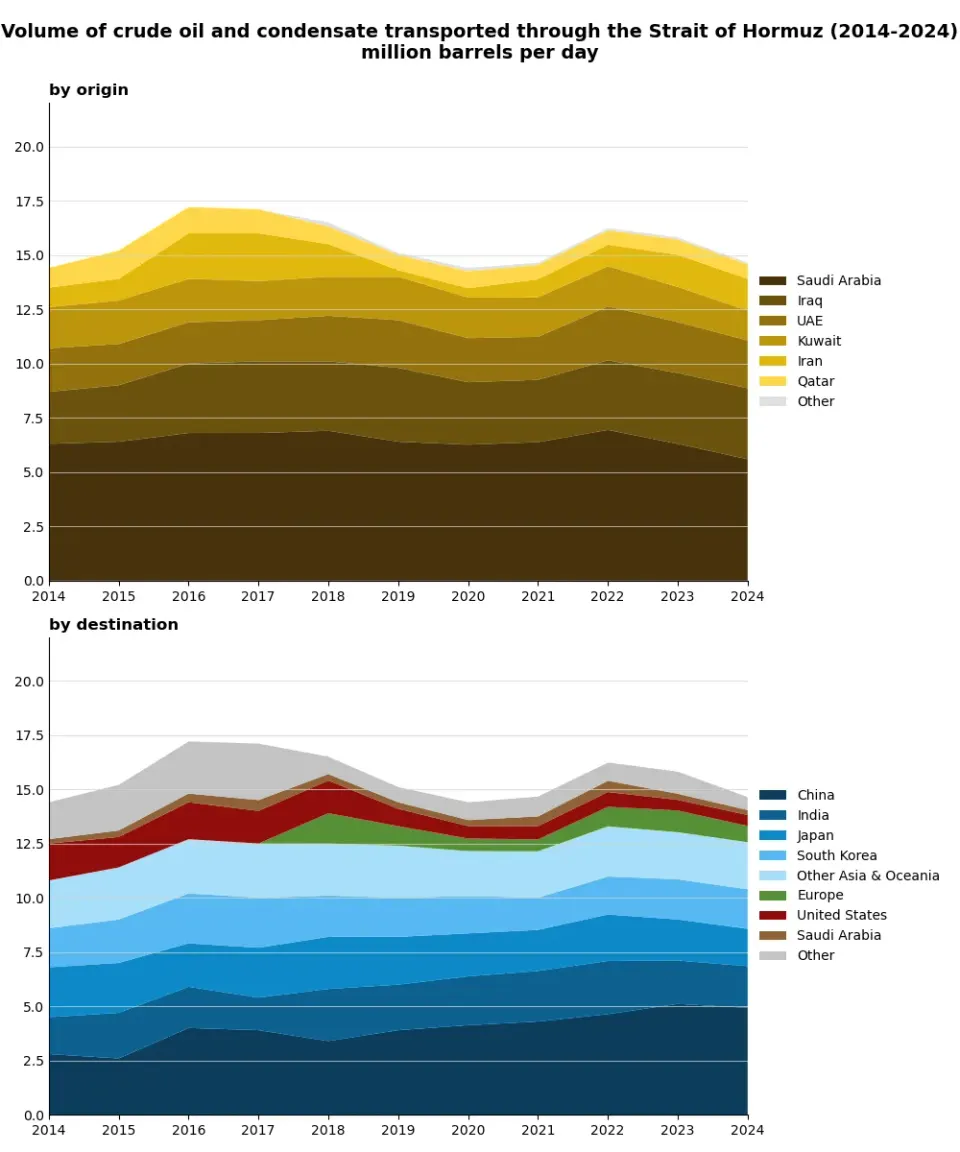
This incident is particularly sensitive because it coincides with a broader regional standoff. The Strait of Hormuz carries nearly 20% of the world's daily oil consumption; any disruption here isn't just a regional headache—it's a global economic shock. Analysts are closely watching whether this is an isolated accident or part of a more deliberate strategy to signal that no vessel is safe without adhering to local transit dictates. The mention of "mines" is especially chilling for the shipping industry, evoking memories of the 'Tanker War' era and the massive increases in maritime insurance premiums that follow.
For the Iranian economy, these incidents are a double-edged sword. While they project power over a critical trade route, they also invite further naval presence from Western powers and increase the cost of Iran's own exports. If shipping companies begin to reroute or if insurance costs become prohibitive, the friction in global energy flows will eventually reflect in higher pump prices globally and potentially more stringent enforcement of sanctions against Iranian oil assets.
Global Interest Rate Crunch: Millions Face Mortgage Misery
Beyond the geopolitical headlines, a slow-motion economic crisis is gathering pace in the West. In the UK, over 2.3 million households are bracing for a massive jump in mortgage payments as the Bank of England is expected to raise interest rates from 3.75% to 4% this week. Similarly, in Australia, Prime Minister Anthony Albanese is facing intense pressure as the Reserve Bank of Australia considers its own rate hike. The message from central banks is consistent: inflation is proving stickier than hoped, and the era of cheap money is firmly in the rearview mirror.
This "higher for longer" interest rate environment has direct consequences for the Iranian market. Higher rates in the West typically strengthen the US Dollar globally and put downward pressure on commodity prices, including gold. However, we are seeing a decoupling: gold is rising despite these hawkish signals, suggesting that investors are more afraid of geopolitical instability than they are attracted to high-interest bank accounts. For the average person in London or Sydney, this means less disposable income; for the global economy, it means a significant cooling of consumer demand.
As businesses in Australia warn of "shops closing that won't reopen," the risk of a global recession in 2027 is moving from a possibility to a probability. For Iranian investors, this macro backdrop suggests that while the Rial's value is tied to local politics, the global purchasing power of their assets will be dictated by how successfully these central banks can crush inflation without causing a total economic collapse. The divergence between the crypto market's record outflows and gold's steady climb indicates that "old school" safety is currently winning the sentiment war.
Frequently Asked Questions
چرا قیمت سکه افزایش یافت اما دلار ثابت ماند؟
اثر تحریمهای بریتانیا بر اسرائیل چیست؟
حادثه نفتکشها در تنگه هرمز چه تاثیری بر بازار انرژی دارد؟
The Strategic Importance of the Strait of Hormuz
The Strait of Hormuz is a narrow waterway that connects the Persian Gulf with the Gulf of Oman and the open Indian Ocean. At its narrowest point it is only about 21 nautical miles wide, yet it channels roughly one‑fifth of the world’s petroleum—about 20 million barrels per day—through its lanes. Because of this outsized share of global oil flow, any disruption, whether from geopolitical tension, naval incidents, or sanctions, can reverberate across commodity markets, lift oil prices, and trigger broader financial volatility.
Historically, the strait has been a flashpoint for regional rivalries. Iran’s Islamic Revolutionary Guard Corps (IRGC) Navy maintains a fleet of fast‑attack craft and mines, citing the right to defend its territorial waters. Conversely, the United States and its allies conduct regular freedom‑of‑navigation operations to assure the uninterrupted passage of commercial shipping. When a nation imposes sanctions that target tankers or ports in the Gulf, the risk of ships being turned away or seized rises, turning the strait into a geopolitical lever that can amplify the impact of those sanctions far beyond the immediate parties.
The economic consequences of a blockage are stark. Even a brief slowdown can shave billions of dollars off daily global trade, tighten supply, and push crude benchmarks like Brent and WTI higher. Energy‑dependent economies—from Japan to Europe—feel the pressure, while oil‑exporting nations such as Saudi Arabia and the United Arab Emirates may see revenue spikes. Moreover, market participants often hedge the risk through futures contracts, currency moves, and even alternative assets like gold or Bitcoin, explaining why headlines about “Gold price Tehran” or “Bitcoin ETF outflow” appear alongside discussions of Hormuz.
Understanding the strait’s role helps decode why sanctions against Iran, trade bans by the UK, or military posturing by the IRGC can have ripple effects on seemingly unrelated markets. It also underscores why policymakers treat any threat to Hormuz as a matter of global economic security, prompting diplomatic efforts, naval deployments, and contingency planning to keep the world’s energy lifeline flowing.
Topics
Related Articles