
The AI King Falls: Jensen Huang Resigns Amid Spy Scandal as IRGC Claims Strike on US Radar in Bahrain
سقوط پادشاه هوش مصنوعی و تنش در خلیج فارس؛ استعفای جنجالی هوانگ و ادعای حمله سپاه به رادار آمریکا
Nvidia's CEO Jensen Huang has abruptly resigned following revelations of an affair with a suspected spy, sending global markets into a tailspin. Meanwhile, the IRGC claims to have destroyed a US early-warning radar in Bahrain, adding fresh geopolitical risk to a volatile Friday morning.
At time of publishing
USD
269,500
Toman
Gold 18K
25.76M
Toman / gram
Bitcoin
$68,472
US Dollar
Tether
271,274
Toman
Market Open — Friday, November 13, 2026
The Iranian markets open this Friday, November 13, 2026 (جمعه ۲۲ آبان ۱۴۰۵), with a sense of eerie calm despite the storm brewing in global tech and regional security. The US Dollar (USD/IRR) remains stable at 269,500 Toman, showing no change over the last 24 hours. Gold prices have also held their ground, with 18k gold per gram trading at 25,762,962 Toman and the Emami coin priced at 254,500,000 Toman. While the local currency appears anchored for the moment, the underlying sentiment is one of extreme caution as traders digest a series of high-impact overnight events.
In the crypto space, however, the mood is decidedly more bearish. Bitcoin has tumbled to a 12-week low, currently trading at $68,472. This drop is a direct reaction to the chaos in the semiconductor industry, which serves as the physical backbone for the entire digital economy. With the "central bank of AI" — Nvidia — in leadership turmoil, investors are fleeing riskier assets, fearing a broader contagion in the tech-heavy indices that often lead crypto price movements.
The Fall of the AI King: Jensen Huang Resigns
In what can only be described as a "black swan" event for the global economy, Jensen Huang has abruptly resigned as the CEO of Nvidia. The departure follows explosive reports of an extramarital affair involving a suspected Chinese spy, a revelation that has prompted an immediate summons from the US Congress. Huang, who transformed Nvidia from a gaming chipmaker into the world’s most critical AI infrastructure provider, leaves a power vacuum at a time when the company’s GPUs are the only thing standing between the current AI boom and a total hardware bottleneck.

The implications of this resignation are staggering. Nvidia’s chips are the fundamental building blocks for models like ChatGPT and Claude; without Huang’s vision and the company’s stable leadership, the market is questioning whether the AI economy can survive its first major structural tremor. Congressional hearings are expected to focus not just on the personal scandal, but on potential leaks of sensitive chip technology to China, a scenario that could trigger even harsher export crackdowns and further disrupt global supply chains.
Escalation in the Gulf: IRGC Targets US Radar in Bahrain
Regional tensions have spiked following an announcement by the Islamic Revolution Guards Corps (IRGC) that its Aerospace Force targeted and destroyed a US military early-warning radar site in Bahrain. According to Iranian state media, the strike was a retaliatory measure for a previous "enemy" attack on a telecommunications tower in Hormozgan province. This direct targeting of US assets in a neighboring Gulf state marks a significant escalation in the ongoing shadow war, shifting from proxy engagements to direct kinetic strikes.
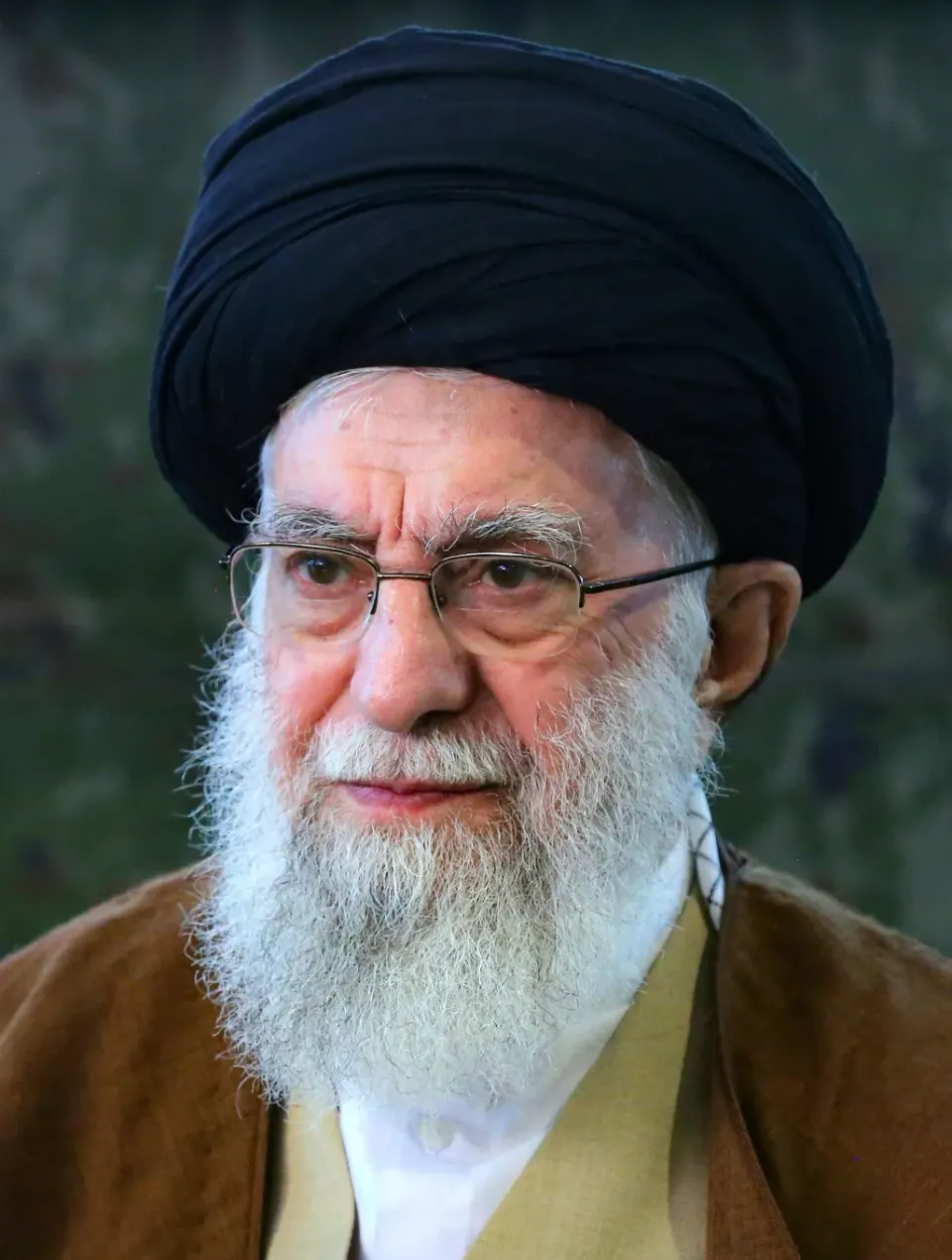
While the US military has yet to confirm the full extent of the damage, the geopolitical fallout is already being felt in the energy markets. Brent crude is currently trading at $95.87 per barrel, caught in a tug-of-war between hopes for a broader peace deal in Europe and the very real threat of a hot war in the Middle East. For Iranian readers, this escalation serves as a reminder that the stability of the Toman is often just one regional miscalculation away from a major correction, especially if maritime trade in the Persian Gulf is further disrupted.
Integrity Crisis in Victoria’s "Big Build"
In Australia, a major integrity inquiry into Victoria’s "Big Build" infrastructure projects has revealed a culture of coercion and political pressure. Testimony provided to the royal commission suggests that the Minister’s office explicitly warned contractors they would lose future government work if they did not resolve industrial disputes by yielding to the CFMEU union. The inquiry heard that construction employees were left "fearful" of union officials, highlighting a breakdown in the transparent management of multi-billion dollar public projects.

This story resonates globally as a cautionary tale of how massive state-funded infrastructure projects can become breeding grounds for corruption when political interests overlap with powerful unions. For those following the Iranian economy, the parallels in state-managed infrastructure and the lack of transparency in large-scale contracts are clear. When the line between government oversight and industrial coercion blurs, the ultimate loser is the taxpayer and the overall quality of national infrastructure.
Frequently Asked Questions
Why is the Nvidia CEO resignation affecting Bitcoin?
What was the reason for the IRGC strike in Bahrain?
Is the USD/IRR rate expected to rise following these events?
Export Controls on Advanced AI Chips: Why They Matter
Export controls are government-imposed rules that restrict the sale, re‑export, or transfer of certain goods, software, and technology to foreign parties. In the United States, the Export Administration Regulations (EAR) administered by the Bureau of Industry and Security (BIS) define which items are deemed "dual‑use" – useful for both civilian and military purposes – and assign them to control categories. Advanced AI processors, such as Nvidia’s H100 and the newer GH200 GPUs, fall into the highest‑sensitivity tier (often called Category 5, Part 2) because they can accelerate machine‑learning models that power everything from autonomous weapons to sophisticated surveillance systems.
To ship a controlled chip abroad, a company must obtain an export license from BIS, and the applicant is vetted against the Entity List, a blacklist of foreign firms, research institutions, and government agencies that the U.S. believes pose a national‑security risk. If a chip is destined for a party linked to the Islamic Revolutionary Guard Corps (IRGC) or any other sanctioned entity, the license will be denied, and the exporter can face civil penalties or even criminal charges. This licensing regime is why a scandal involving the illicit export of AI chips can trigger boardroom upheavals, as senior executives are held accountable for breaching U.S. law.
The ripple effects of these controls are felt across the global tech ecosystem. Companies in Europe or Asia that rely on U.S.‑origin GPUs for data‑center workloads, cryptocurrency mining, or high‑frequency trading must either secure a license or redesign their supply chains with domestically produced alternatives. When a major player like Nvidia is implicated in an export‑control breach, markets react – the price of Bitcoin may tumble, and related currencies such as the Iranian toman can experience heightened volatility as investors reassess geopolitical risk.
Understanding export controls is therefore essential for anyone following the intersection of technology and geopolitics. They shape which nations can develop cutting‑edge AI, influence the strategic calculus behind military actions (such as the alleged IRGC strike on a U.S. radar in Bahrain), and determine the legal exposure of corporate leaders. As AI chips become ever more powerful, the regulatory landscape will only tighten, making compliance a critical competitive advantage.